Washington signals new economic drive in Central Asia at Bishkek B5+1 forum
A landmark gathering of commercial and political minds has convened in the Kyrgyz capital, signalling a significant shift in Washington’s foreign po...
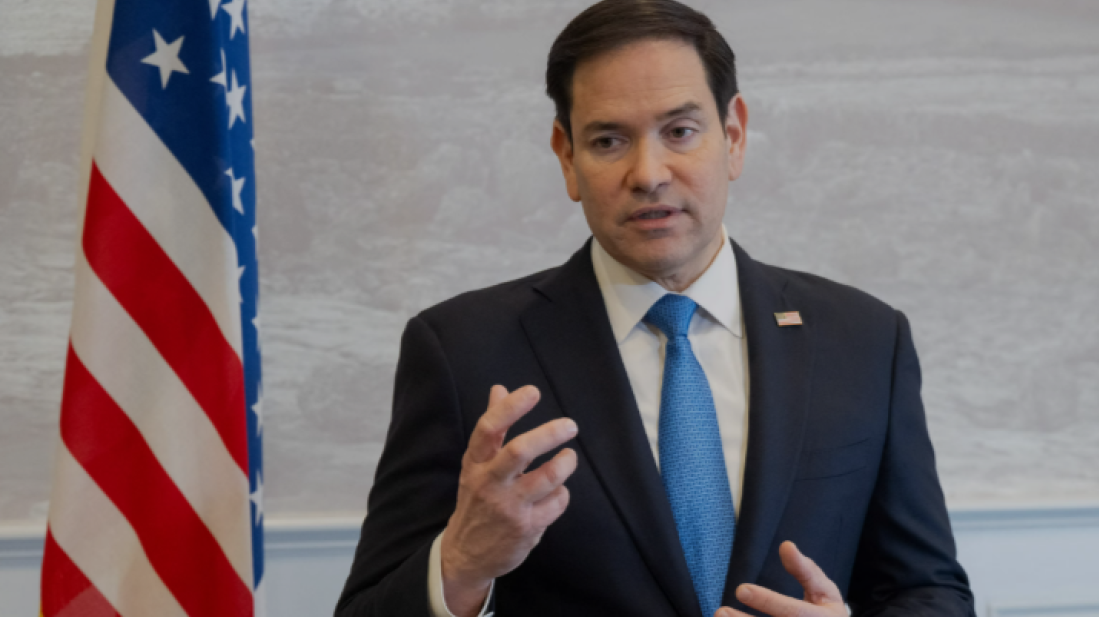
There are international calls to seek a diplomatic solution amid rising tensions in the Middle East and to prevent Iran from acquiring nuclear weapons. That's according to U.S. Secretary of State Marco Rubio and key international allies who discussed the escalating conflict between Iran and Israel.
Rubio met with British Foreign Minister David Lammy and held separate calls with Australian Foreign Minister Penny Wong, French Foreign Minister Jean-Noel Barrot, and Italian Foreign Minister Antonio Tajani to discuss the ongoing conflict.
They all agreed that "Iran can never develop or acquire a nuclear weapon."
Lammy emphasized that while the Middle East "remains perilous" and that a "window now exists within the next two weeks to achieve a diplomatic solution."
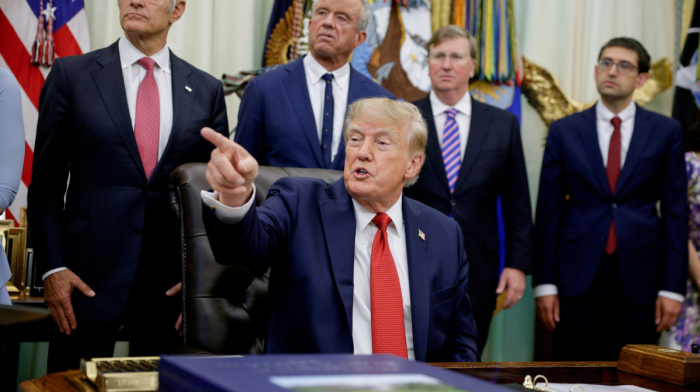
The White House announced that President Donald Trump will decide within two weeks whether the U.S. will intervene militarily, amid mixed signals from the administration.
Israel justifies its strikes as preventing Iran’s nuclear weapon development, while Iran insists its nuclear program is peaceful and said it doesn't have the capability of creating nuclear weapons.
The conflict escalated after Israel launched air strikes on Iran on13 June, intensifying a region already tense since Israel's military campaign in Gaza began in October 2023 against Hamas.
Meanwhile, European foreign ministers from Germany, France and Britain and the European Union's top diplomat Kaja Kallas, are scheduled to meet Iran’s foreign minister in Geneva on Friday (20 June) in an attempt to de-escalate the conflict.

Talks with the U.S. should be pursued to secure national interests as long as "threats and unreasonable expectations" are avoided, President Masoud Pezeshkian posted on X on Tuesday (3 February).
Cuba’s Deputy Foreign Minister Carlos Fernández de Cossío has denied that Havana and Washington have entered formal negotiations, countering recent assertions by U.S. President Donald Trump, while saying the island is open to dialogue under certain conditions.
Mexico said it will stop sending oil to Cuba as U.S. President Donald Trump ramped up pressure on the Caribbean nation.
Iranian media outlets have backtracked on claims President Masoud Pezeshkian ordered a return to nuclear talks with the United States, fuelling fresh uncertainty over the state of diplomacy between the two rivals.
Web Summit Qatar 2026 opened in Doha on Sunday, drawing tens of thousands of founders, investors, policymakers and technology leaders to what organisers describe as one of the region’s largest digital economy gatherings.
Thousands of documents linked to the late sex offender Jeffrey Epstein have been taken down from the U.S. Justice Department’s (DOJ) website after victims and their lawyers warned that sensitive personal information had been exposed.
Start your day informed with AnewZ Morning Brief: here are the top news stories for the 4rd of February, covering the latest developments you need to know.
U.S. Secretary of State Marco Rubio met with Indian Foreign Minister Subrahmanyam Jaishankar on Tuesday (February 3) one day after the U.S. and India signed a trade deal.
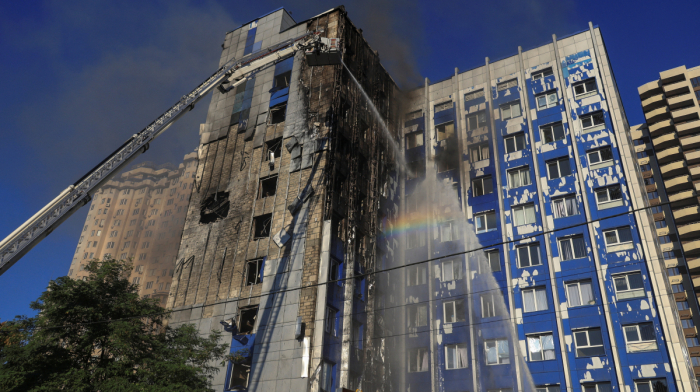
British Prime Minister Keir Starmer spoke to U.S. President Donald Trump on Tuesday and discussed the situation in Ukraine, including the overnight Russian attacks on the country, the UK government said.
U.S. President Donald Trump on Tuesday (3 February) signed a spending deal into law that ends a partial U.S. government shutdown and gives lawmakers time to negotiate potential limits on his immigration crackdown.
You can download the AnewZ application from Play Store and the App Store.
What is your opinion on this topic?
Leave the first comment