The United States has expanded its crackdown on Chinese telecommunications companies, tightening restrictions on equipment deemed a threat to national security.
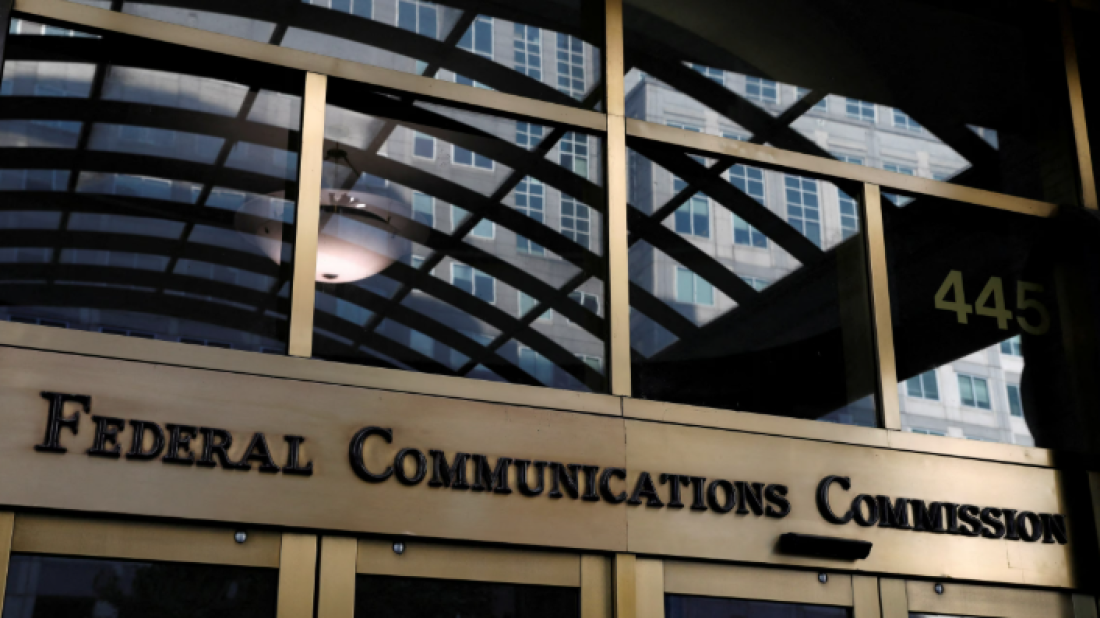
The Federal Communications Commission (FCC) voted unanimously on Tuesday (October 28) to strengthen its oversight of telecom devices containing components from companies listed on its “Covered List.” The new measures block approvals for such equipment and give the FCC authority to revoke existing authorisations in certain cases.
“These present loopholes that bad actors could use to threaten the security of our networks,” said FCC Commissioner Brendan Carr. “America’s foreign adversaries are constantly looking for ways to exploit any vulnerabilities in our system.”
The Covered List includes major Chinese firms such as Huawei, ZTE, China Mobile, and China Telecom, whose products are already barred from being imported or sold in the U.S. The move is part of a wider effort to prevent Chinese companies from gaining access to U.S. communications infrastructure.
Earlier this month, Carr said that major U.S. e-commerce platforms had removed several million listings for unauthorised Chinese electronics, including home security cameras, smart watches, and video surveillance systems made by Huawei, Hikvision, Dahua Technology, and ZTE.
Hikvision criticised the FCC’s latest order, calling it an overreach of regulatory power. “This order is not based on any product-specific evidence,” the company said in a statement. “It will impose unnecessary harm on U.S. communities and small businesses that rely on safe, compliant, and already authorised security systems.”
The FCC recently issued a national security advisory reminding businesses of the ongoing ban on certain surveillance and communications devices from Chinese manufacturers. On October 15, it announced plans to revoke the U.S. operating licence of HKT, a Hong Kong-based carrier owned by PCCW, citing security risks.
The regulator also said in March that it was investigating nine Chinese firms on the Covered List, including Huawei, ZTE, Hytera Communications, Dahua Technology, and China Unicom (Americas), over concerns about potential data vulnerabilities.
In a further escalation, the FCC last month began proceedings to withdraw recognition from seven testing laboratories owned or controlled by the Chinese government, again citing national security concerns.
The measures are part of Washington’s broader strategy to curb Beijing’s influence in critical technology sectors amid rising tensions over cybersecurity, data privacy, and global telecommunications infrastructure.


















What is your opinion on this topic?
Leave the first comment