Afghanistan, Belarus agree to deepen industrial cooperation
Afghanistan and Belarus have agreed to advance joint industrial projects, investment and technical cooperation following talks in Minsk, as Kabul s...
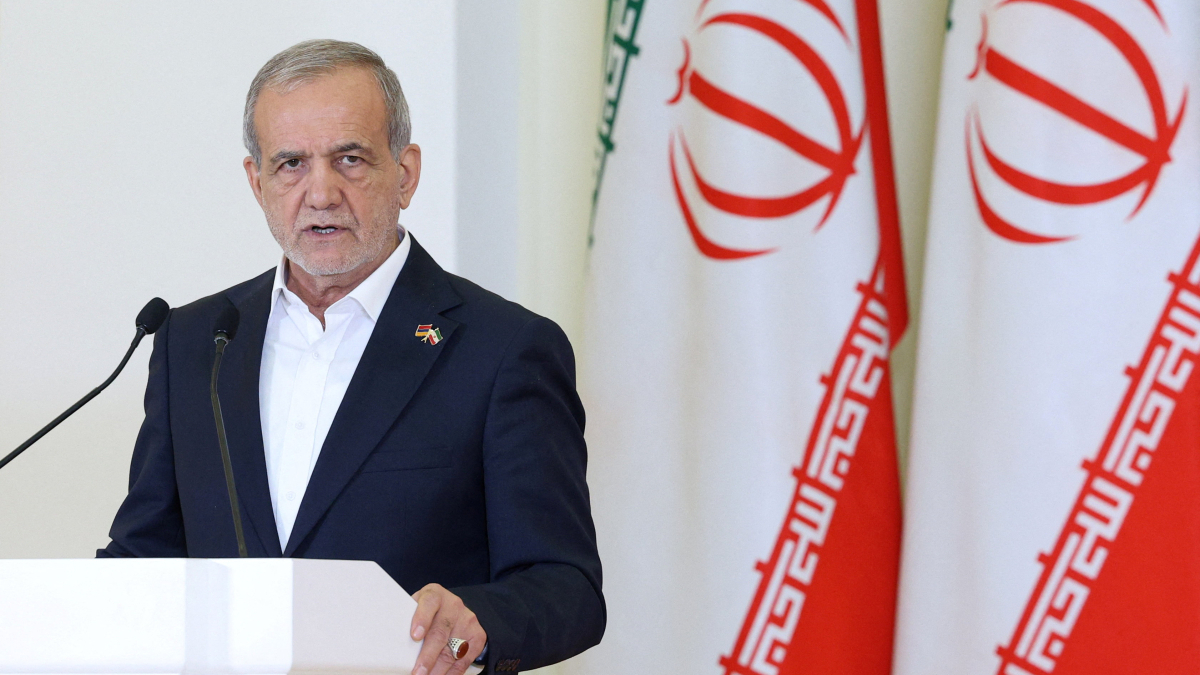
Iranian President Masoud Pezeshkian arrived in Astana on Wednesday, 10 December, for a two-day visit aimed at expanding trade, transit, and economic ties, with more than ten agreements expected to be signed.
Discussions are expected to focus on expanding the Incheh Borun–Bereket–Gorgan railway, improving container services, and launching new logistics initiatives. Analysts cited by Kazakhstan’s Khabar Agency and Iran’s IRNA suggest that agriculture, energy, and logistics will drive the next stage of bilateral co‑operation as both nations seek more diversified and resilient trade corridors.
A business forum and cultural exhibition highlighting shared historical and regional links are also planned, underlining the broader economic and diplomatic significance of the visit.
Iran and Kazakhstan have maintained close economic ties in recent years. During President Kassym-Jomart Tokayev’s 2022 visit to Tehran, the countries set a trade target of $3 billion, introduced a 14-day visa-free regime, and launched the first container train linking Kazakhstan, Turkmenistan, Iran, and Türkiye.
According to Kazakhstan’s Bureau of National Statistics, bilateral trade reached $310.8 million between January and September 2025, with Kazakh exports nearly tripling year-on-year.

The visit is seen as a step towards further enhancing regional connectivity amid shifting geopolitical dynamics and evolving transit routes. Officials say the planned agreements and initiatives are expected to strengthen Iran–Kazakhstan trade links and boost economic integration across Central Asia.

The collective-defence agreement between Türkiye, Saudi Arabia and Pakistan signals that regional powers no longer want to rely solely on external security guarantees. Whether it becomes a stabilising deterrent or another axis of rivalry remains unresolved.
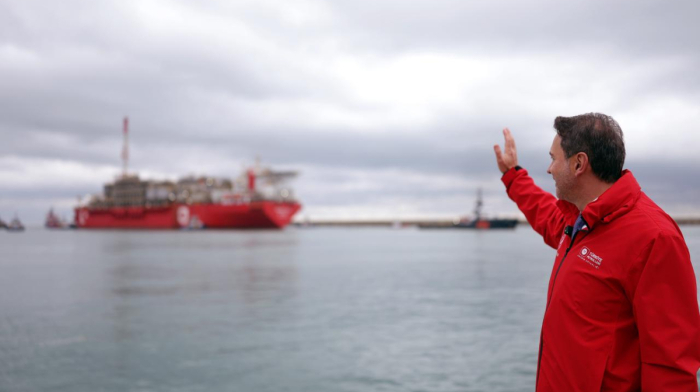
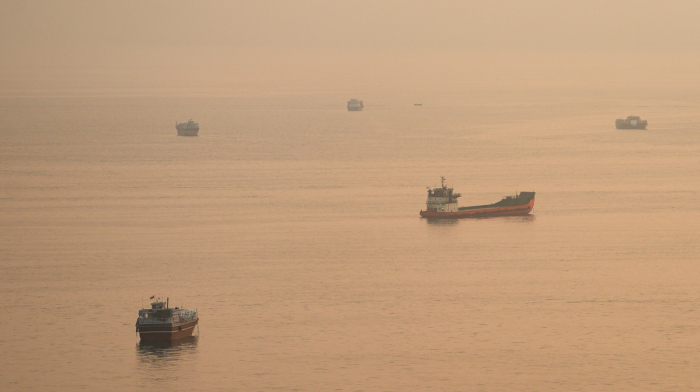
Shipping through the Strait of Hormuz has slowed, according to the latest data, as uncertainty over the waterway’s reopening kept most shipowners away. Six commodity vessels crossed the strait on Tuesday, down from nine the day before and below the 10-day daily average of 11.
Shipping traffic through the Strait of Hormuz remains limited on Thursday, with no increase in vessel crossings as U.S.-Iran talks to resolve the conflict remained stalled. Nine commodity vessels transited the key waterway on Wednesday, unchanged from the previous day, according to Kpler data.
Iran has said the Strait of Hormuz will remain closed until the U.S. fulfils the terms of an interim deal, including lifting the maritime blockade and sanctions and releasing Iran’s frozen assets.
Start your day informed with AnewZ Morning Brief. Here are the top news stories for the 19th of August, covering the latest developments.
Afghanistan and Belarus have agreed to advance joint industrial projects, investment and technical cooperation following talks in Minsk, as Kabul seeks Belarusian machinery and support to develop domestic manufacturing.
Uzbekistan and Azerbaijan are drawing up a new programme aimed at boosting bilateral trade to $1 billion by 2030, as the two countries move to deepen economic and industrial ties.
Syria says it assured Israel that Türkiye had no plans to establish a military presence at the Abu al-Duhur airbase before Israeli forces struck the site on Tuesday.
Israeli Prime Minister Benjamin Netanyahu has issued his strongest warning yet over Türkiye's growing military role in Syria, saying Israel will not accept Turkish forces expanding their presence further south.
Azerbaijan’s support for Ukraine could provide a model for neighbouring countries seeking to strengthen their sovereignty, the director of development at an organisation supporting Ukraine’s armed forces has told AnewZ.
You can download the AnewZ application from Play Store and the App Store.
What is your opinion on this topic?
Leave the first comment