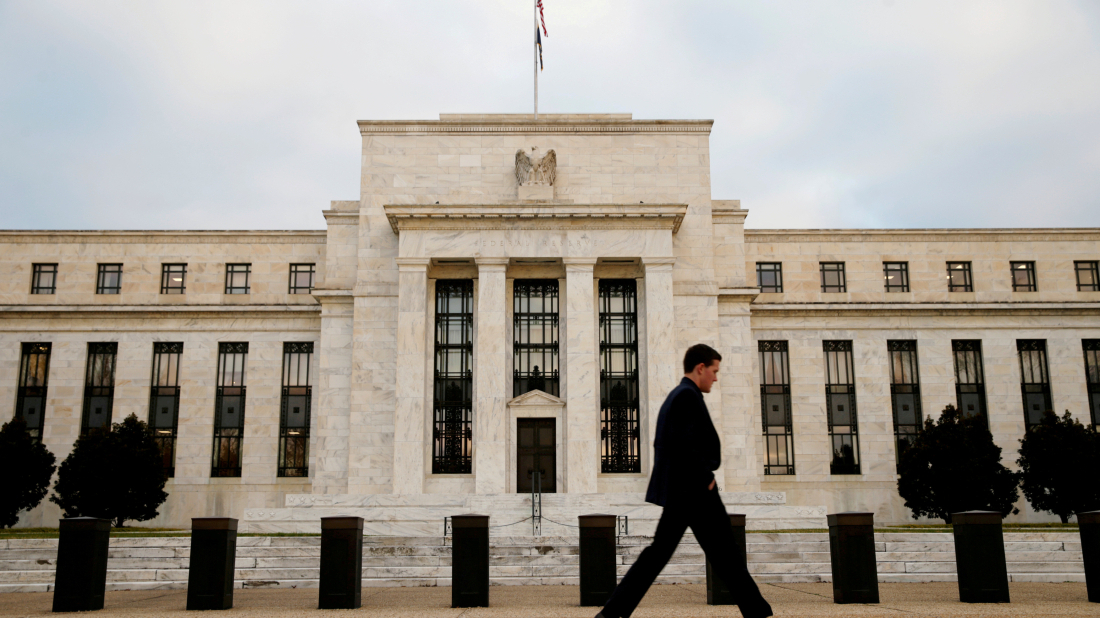
The U.S. Federal Reserve left its benchmark interest rate unchanged on Wednesday at 4.25%–4.50%, while maintaining its projection for two rate cuts by the end of 2025.
However, Fed Chair Jerome Powell warned that the economic outlook is becoming increasingly uncertain due to rising inflation pressures, particularly from planned import tariffs.
Powell emphasized the data-dependent nature of future decisions, noting that although recent inflation readings have improved, the Trump administration’s tariff agenda could reverse that progress.
“Everyone that I know is forecasting a meaningful increase in inflation in coming months from tariffs,” Powell said.
“Ultimately, the cost of the tariff has to be paid, and some of it will fall on the end consumer,” he added.
Inflation, Growth Revised
The Fed now projects:
- Inflation at 3% by year-end 2025, up from prior expectations
- GDP growth at 1.4%, down from 1.7% in March
- Unemployment at 4.5%, a rise from the current 4.2%
Despite holding rates steady for now, policymakers expect to cut rates by a total of 0.5% points in 2025, consistent with earlier forecasts, followed by smaller cuts into 2026 and 2027. However, seven out of 19 Fed officials now see no cuts needed this year — a sign of growing internal division.
Tariffs Driving Uncertainty
Powell attributed much of the revised inflation outlook to Trump’s proposed tariffs, set to begin as early as next month. While the full impact is not yet known, Powell said the Fed is prepared to “wait a couple of months” to evaluate how the cost burden is passed through the economy.
Political Tensions
Trump, who has pressured the Fed for deep rate cuts, reacted sharply to the decision, calling Powell “stupid” and suggesting he should install himself as Fed Chair. The Fed’s independence remains a cornerstone of its policymaking, and officials have repeatedly said their focus is solely on meeting inflation and employment targets.
Markets Steady
Despite the Fed's warnings, markets reacted calmly. Stock indexes were flat, the 10-year Treasury yield was steady, and futures pricing continued to point to September as the likely window for the next cut.
Powell added that geopolitical risks — including the ongoing Israel-Iran conflict — are being closely monitored. However, he said energy price shocks tend to be temporary and are unlikely to shift policy unless sustained.
“We are well positioned to wait to learn more about the likely course of the economy,” Powell said.
Outlook
The Fed remains cautious but open to easing if inflation moderates or the economy weakens further. However, tariff-related cost pressures and geopolitical uncertainty could complicate the timing and extent of rate cuts in the months ahead.



















What is your opinion on this topic?
Leave the first comment