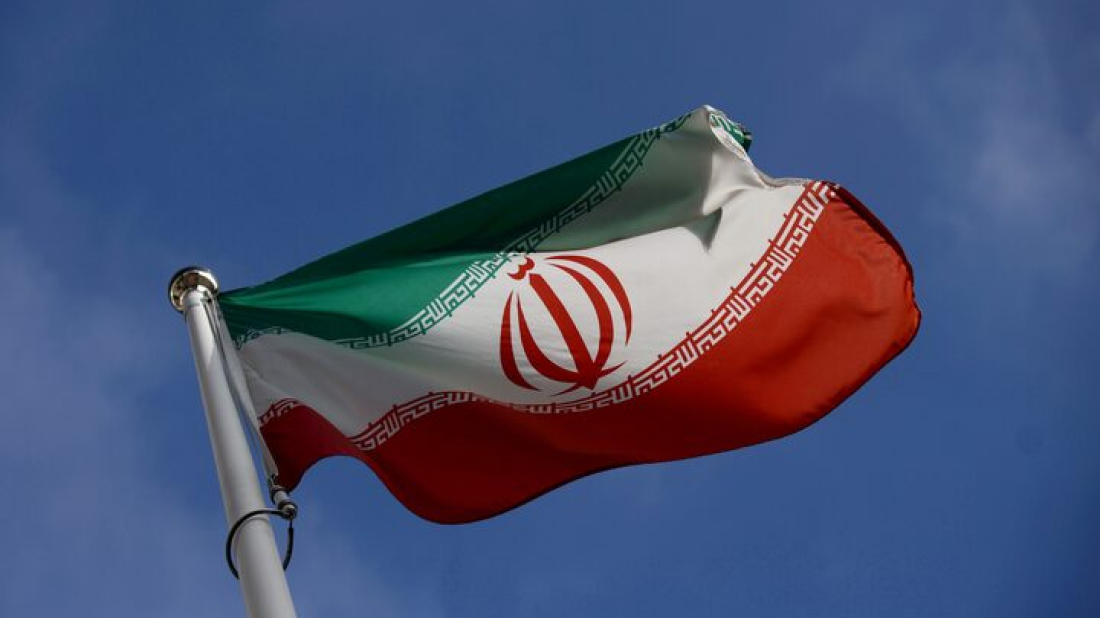
Iran’s Foreign Minister Abbas Araghchi issued a stern warning to the UK on Wednesday saying nothing would be left to discuss if London demanded Tehran to cease its nuclear enrichment program.
“If the UK’s position is ‘zero enrichment’ in Iran — which is a clear violation of the Non-Proliferation Treaty as well as the UK’s commitments as a remaining member of the JCPOA — then there is no longer any subject for discussion between us on the nuclear file,” he wrote on his X account.
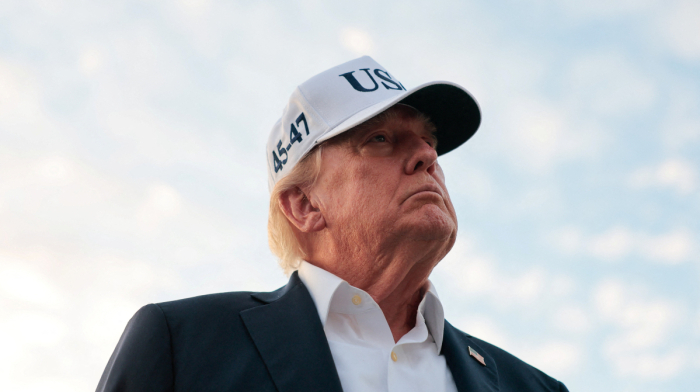
The warning was issued after Peter Mandelson, the British ambassador to the United States, said in a speech at the Atlantic Council in Washington D.C. that “Britain strongly supports [US] President [Donald Trump]'s initiative in negotiating away these enrichment and related facilities in Iran," according to Press TV.
“Iran has continued to engage in good faith with the UK and the remaining European parties to the JCPOA, even as the United States still shows no willingness to involve them in the ongoing negotiation process,” Araghchi added.
Last week, he strongly cautioned Europe it will bear “significant consequences” if the UN nuclear sanctions are re-imposed against Tehran, after senior Iranian, French, German and UK diplomats met in Istanbul in mid May without a major breakthrough.
In an interview with the Saudi-based Arabic Language TV Asharq News, he said that a re-installment of the UN sanctions under the nuclear deal signed in Vienna in 2015 (also know as the JCPOA) will terminate participation of the E3 parties -- France, Germany and the UK -- in the agreement.
"The situation we're in is by no means Iran's fault. It is the fault of the United States, which withdrew from the JCPOA, and the fault of the European countries that failed to compensate for the US’s withdrawal," Araghchi said.
The E3 which previously helped to bring in the US to its nuclear talks with Iran in 2000s before Trump withdrew from the JCPoA in 2018, seems upset over being kept out of the Iran-US talks.
Since April, five rounds of indirect negotiations mediated by the Omani Foreign Ministry have been held after US President Donald Trump wrote a letter in March to Iran’s Supreme Leader Ayatollah Seyed Ali Khamenei.
In the current talks, Iran demands lifting of the unilaterally-imposed US sanctions and the US wants Iran to cease its nuclear enrichment. This demand has been categorically rejected by Tehran as its redline.
https://youtube.com/shorts/C-eIX5UXyJo












What is your opinion on this topic?
Leave the first comment