Russia praises Georgia's foreign policy as rhetoric increasingly aligns
Russia's Foreign Ministry spokeswoman Maria Zakharova praised Georgia for resisting Western pressure (30 May), defending its national interests and pu...
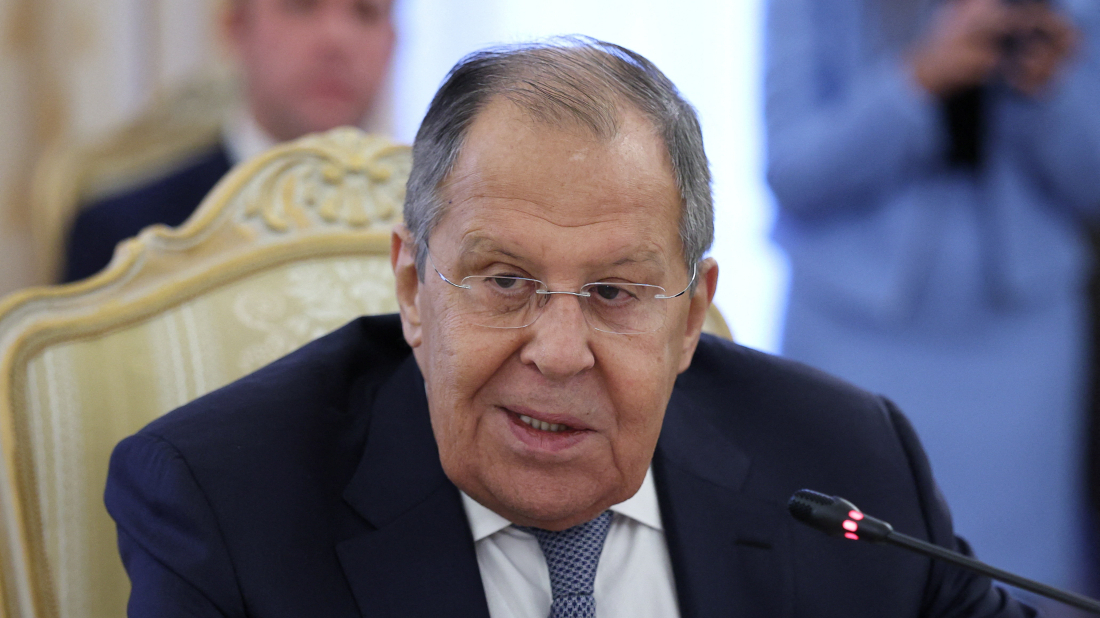
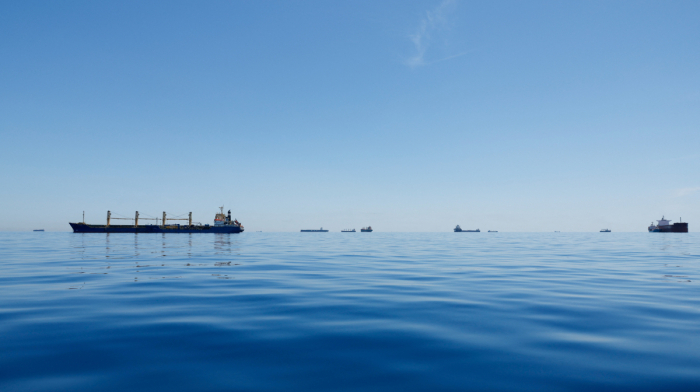
Russia’s Foreign Minister Sergei Lavrov has expressed his country’s agreement with Tehran’s plans to host the summit meeting of the Caspian Sea littoral states in 2026.
“The date coincides the International Caspian Sea Day,” official IRNA news agency quoted Lavrov saying at a joint press conference with his Kazakh counterpart in Moscow on Thursday.
The International Caspian Sea Day is an occasion observed every 12th of August by the five littoral states Azerbaijan, Iran, Kazakhstan, Russia and Turkmenistan.
On this day, the Framework Convention for the Protection of the Caspian Sea and the Environment from Pollution was signed in Tehran and came into force.
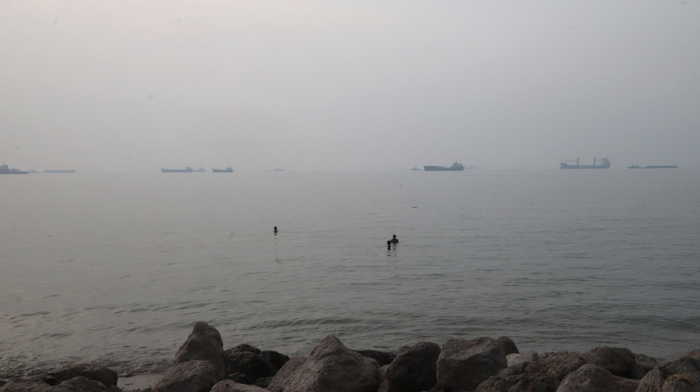
As the largest inland body of water which accounts for about 44 percent of the total lake waters of the world, the Caspian Sea is facing environmental challenges including shrinking water levels, industrial pollution due to increasing oil exploration and endangered wildlife species.
To overcome these challenges, the five littoral states have been required to protect the sea’s ecosystem in this geo-politically and geo-economically strategic transit route of Eurasia.
In the latest development, Iran’s Ambassador to Russia Kazem Jalali was quoted saying that the first ever conference of governor generals of the Caspian Sea littoral provinces will convene in the northern Gilan Province on Nov. 18-19, 2025.
“We are in contact with Caspian Sea states to secure their agreements to convention of the summit in Iran,” he said on the sidelines of the Provincial Diplomacy Conference in the northeastern city of Mashhad.
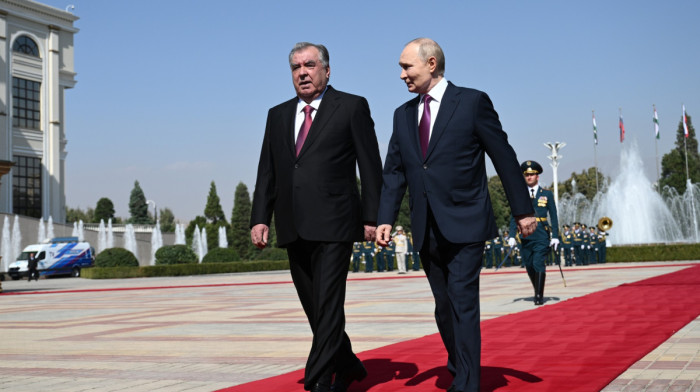
According to Jalali, Russian President Vladimir Putin is expected to participate in the Caspian summit next year in Tehran.

U.S. rapper Kanye West, now known as Ye, performed to a crowd of 118,000 people in Istanbul on Saturday night, marking his first concert in Europe in more than a decade, despite being barred from performing in several countries over past antisemitic remarks.
Okinawa lost transport links and suffered widespread power outages on Monday (1 June) as Severe Tropical Storm Jangmi brought destructive winds and heavy rain to Japan's south-western islands.
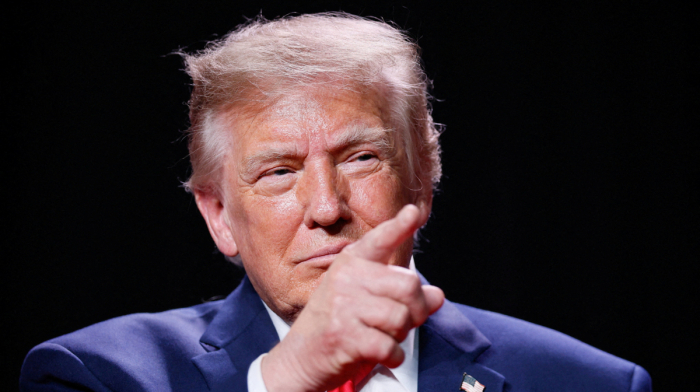
Donald Trump said he is “in no hurry” to reach a deal with Iran, insisting the U.S. is slowly getting what it wants. He warned military action remains an option if talks fail. Meanwhile, U.S. forces said they fired a missile at a vessel trying to breach Washington’s blockade of Iran.
The World Health Organisation’s designation of the Bundibugyo Ebola virus outbreak as a Public Health Emergency of International Concern (PHEIC) is a stark reminder that Ebola remains a persistent global health threat rather than a disease of the past.
Thousands of residents blocked Austria’s Brenner motorway on Saturday (30 May), shutting down a major north-south transport route through the Alps in protest against persistent congestion from heavy truck traffic and tourism.
When Armenians vote on 7 June, they will be voting in an election shaped by months of political change and a rapidly deepening relationship with the European Union. The result may not only determine who governs Armenia but also the future direction of the country's geopolitical alignment.
The Baku-Tbilisi-Kars (BTK) railway will resume operations on 2 June after extensive modernisation works. Officials from Azerbaijan, Georgia and Türkiye are set to gather in Akhalkalaki for a launch event marking the reopening of one of the Middle Corridor's most important transport links.
Russia's Foreign Ministry spokeswoman Maria Zakharova praised Georgia for resisting Western pressure (30 May), defending its national interests and pursuing a "multi-vector foreign policy" - language that closely mirrors the rhetoric of the ruling Georgian Dream party.
As Armenia approaches parliamentary elections, Russia appears to be increasing political and economic pressure on Yerevan, signalling that closer integration with the EU could lead to significant changes in labour, transport and energy arrangements between the two countries.
Uzbekistan recorded further declines in the production of key energy resources during the first four months of 2026, even as output of fuel products, electricity and construction materials increased, according to the latest data from the National Statistics Committee.
You can download the AnewZ application from Play Store and the App Store.
What is your opinion on this topic?
Leave the first comment