Trump's Board of Peace schedules first leaders meeting for 19 February
The Board of Peace created by U.S. President Donald Trump will hold its first leaders meeting on 19 February in Washington, a U.S. government official...
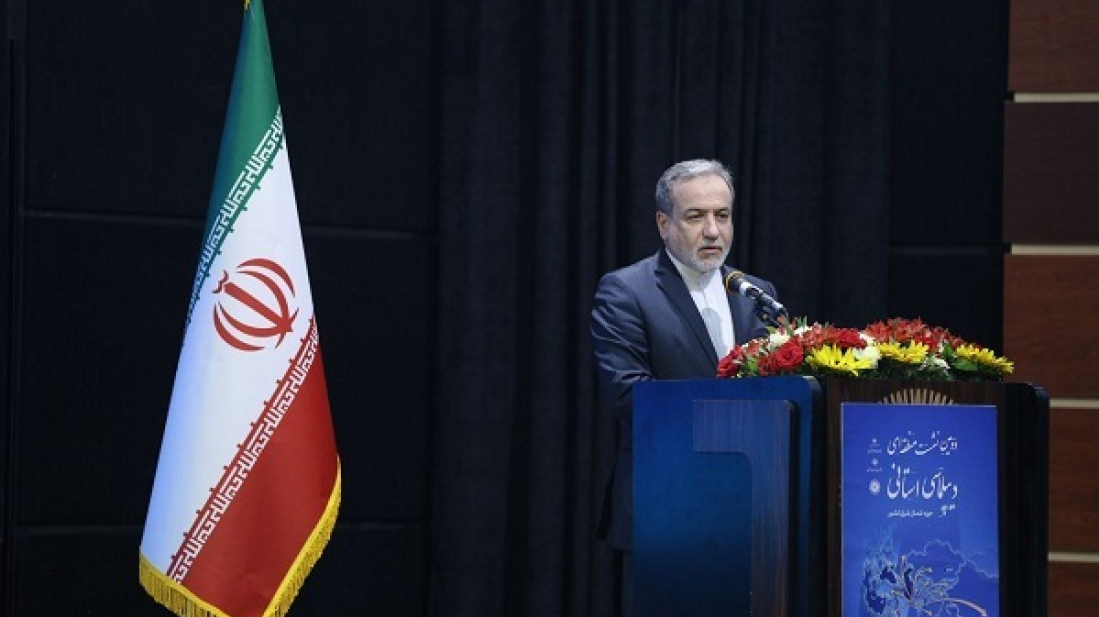
Iran’s Foreign Minister Abbas Araghchi has rejected the resumption of nuclear negotiations with the United States saying Washington is laying “excessive and illogical” conditions which have stalled the talks.
“The talks will not restart as long as the U.S. is making excessive and illegal demands,” he told reporters on Wednesday upon arriving in the northeastern city of Mashhad to open the Provincial Diplomacy Conference.
“Mr. (Steve) Witkoff has been making indirect contacts with us and sending messages through intermediaries,” he added.
Araghchi and Steve Witkoff the U.S. Special Envoy for the Middle East, held five rounds of mediated talks in Oman and Italy this year which were discontinued after the U.S. President Donald Trump joined Israel’s attacks on Iran and bombed the nuclear facilities in June.
Foreign Ministry Spokesman Esmaeil Baghaei echoed Araghchi’s statements and said the renaming of the U.S. Department of Defense to the Department of War reflects Washington’s lack of belief in diplomacy.
“The U.S. policy of bullying and intimidation has troubled the entire international relations system,” he said at a meeting with university students in Mashhad.
“None of IAEA reports indicated that Iran's nuclear program has become militarised,” he said referring to the UN nuclear watchdog the International Atomic Energy Agency, “Our resilience has been proven, but logic requires to strengthen ourselves more than ever.”
Tehran suspended its ties with IAEA for failing to condemn the Israel-U.S. airstrikes on its peaceful nuclear sites in June and for agency’s report on Iran’s “non-compliance” which Iran said served as a pretext for bombing of its nuclear centers.
Baghaei also rejected return of UN sanctions and said that China and Russia as two permanent members of the Security Council as well as 120 member states of the Non-Aligned Movement have opposed West’s interpretation on re-installment of nuclear sanctions under Resolution 2231.
Araghchi told the participants of the conference on provincial diplomacy that economic ties with neighboring countries are the “breathing space” in the wake of sanctions.
“Iran's trade exchanges with each of its neighboring countries are more than total trade with Europe which indicates importance of economic ties with neighbors.”
“Smugglers and terrorists do not cross the borders through which goods are exchanged and passengers travel. As the saying goes, if local officials in border provinces reach agreements, the borders will become borders of peace,” he added.

Storm Leonardo hit Spain and Portugal on Tuesday, forcing more than 11,000 people from their homes, as a man in Portugal died after his car was swept away by floodwaters and a second body was found in Malaga.
Iran would retaliate by striking U.S. military bases across the Middle East if it comes under attack by American forces, Foreign Minister Abbas Araghchi said on Saturday (7 January), stressing that such action should not be seen as targeting the countries hosting those bases.
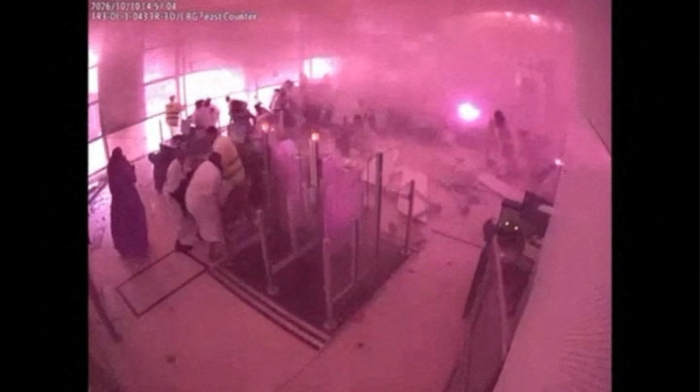
At least 31 people have been killed and scores wounded in a suicide bombing at a mosque in Pakistan’s capital, Islamabad, during Friday prayers, prompting widespread international condemnation.
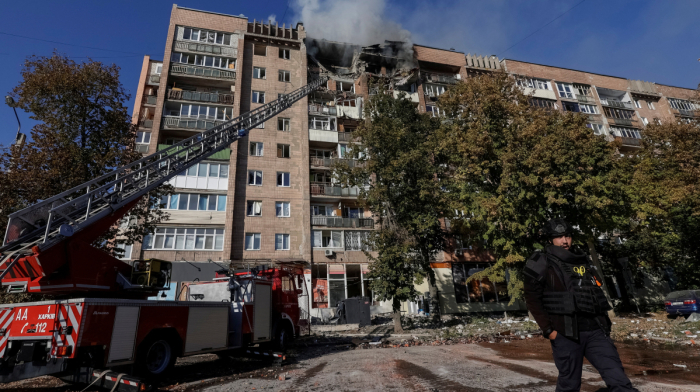
U.S. and Ukrainian negotiators have discussed an ambitious goal of reaching a peace agreement between Russia and Ukraine by March, though the timeline is widely viewed as unrealistic due to deep disagreements over territory, according to multiple sources familiar with the talks.
A Japanese city near Mount Fuji has cancelled its annual cherry blossom festival, saying growing numbers of badly behaved tourists are disrupting daily life for residents.
The Board of Peace created by U.S. President Donald Trump will hold its first leaders meeting on 19 February in Washington, a U.S. government official confirmed, marking the board's formal debut after weeks of global scrutiny.
Benjamin Netanyahu will meet Donald Trump in Washington on Wednesday, a date brought forward as indirect U.S.-Iran nuclear talks in Oman restart and Tehran presses its enrichment rights while ruling out missile negotiations.
Saudi Arabia and Syria have signed agreements worth about $5.3bn aimed at boosting cooperation across aviation, telecommunications and water infrastructure, marking one of the largest economic initiatives since Syria’s leadership change.
U.S. has become a central outside power in the south caucasus, shaping diplomacy, security and energy flows. Its relations with Azerbaijan and Armenia have evolved from similar beginnings into two distinct partnerships that now define Washington’s role in the region.
Iran would retaliate by striking U.S. military bases across the Middle East if it comes under attack by American forces, Foreign Minister Abbas Araghchi said on Saturday (7 January), stressing that such action should not be seen as targeting the countries hosting those bases.
You can download the AnewZ application from Play Store and the App Store.
What is your opinion on this topic?
Leave the first comment