Mirziyoyev in Tokyo: Uzbekistan–Japan ties strengthen
Uzbek President Shavkat Mirziyoyev’s official visit to Tokyo represents more than a strengthening of bilateral relations; it is a strategic step tha...
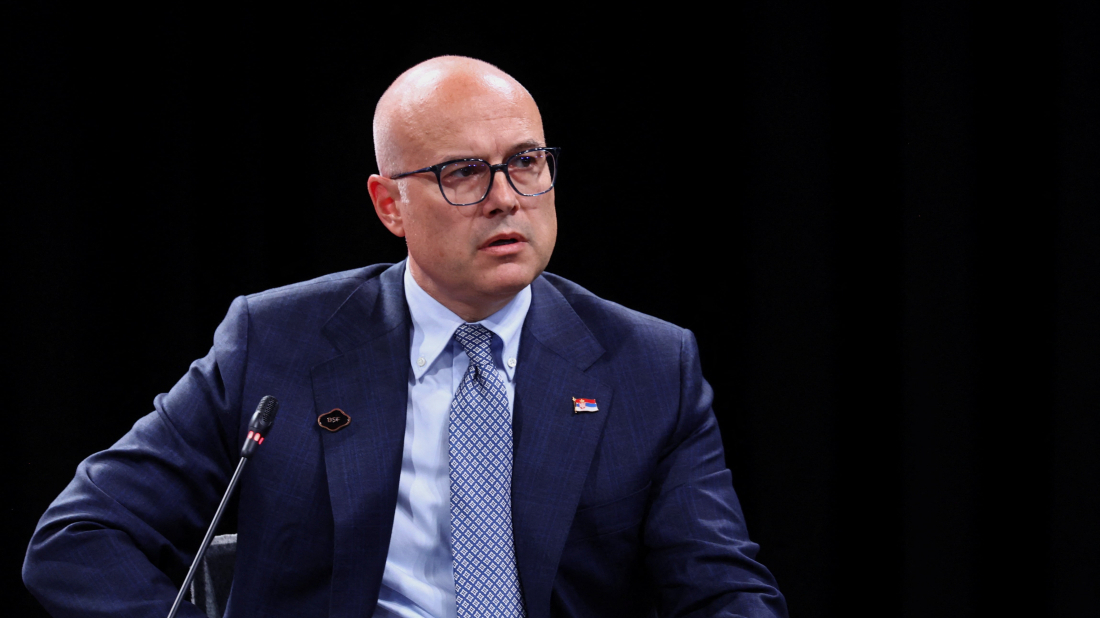
Serbia’s parliament has officially accepted the resignation of Prime Minister Milos Vucevic, setting a 30-day deadline for the formation of a new government or the calling of snap elections.
The resignation, announced on January 28, follows the deadly train station collapse in Novi Sad last November, which resulted in 15 fatalities and sparked widespread protests across the country.
The protests, including one of the largest rallies in decades with more than 100,000 people gathering in Belgrade, were fueled by allegations of government corruption and mismanagement related to the incident, which the government denies. Protesters have demanded accountability for the disaster, and the ongoing unrest has significantly shaken the leadership of President Aleksandar Vucic, who has maintained power since becoming prime minister in 2014 and president in 2017.
Under Serbia’s constitution, President Vucic now has 30 days to propose a new prime minister-designate to lead the country until the next scheduled elections in 2027. The deadline for forming a new government is April 18, 2025. If the president fails to appoint a new prime minister-designate by then, a snap election will be triggered within 45 to 60 days.
The parliament session, which began on March 4, concluded with Vucevic's resignation as its final agenda item. The session has been marked by tensions, with opposition lawmakers protesting against the government and in support of student-led demonstrations. While the ruling Serbian Progressive Party (SNS) remains the most popular party, recent polls have shown a decline in government support amid the protests.
Opposition parties have called for an interim government without the SNS, but Vucic has rejected this demand, asserting that the SNS should remain in power. The next steps in this political drama will determine the future of Serbia’s government and the direction of the country's political landscape.

Ukraine has welcomed the European Union’s decision to provide €90 billion in support over the next two years, calling it a vital lifeline even as the bloc failed to reach agreement on using frozen Russian assets to finance the aid.
European Union foreign policy chief Kaja Kallas has warned that attempts to reach a peace agreement in Ukraine are being undermined by Russia’s continued refusal to engage meaningfully in negotiations.
Petroleum products are being transported by rail from Azerbaijan to Armenia for the first time in decades. The move is hailed as a tangible breakthrough in efforts to normalise relations between the long-time rivals.
A rare pair of bright-green Nike “Grinch” sneakers worn and signed by the late NBA legend Kobe Bryant have gone on public display in Beverly Hills, ahead of an auction that could set a new record for sports memorabilia.
U.S. President Donald Trump delivered a wide-ranging address from the White House in which he sought to highlight what he described as his administration’s achievements while laying the groundwork for his plans for the year ahead and beyond, on Wednesday (18 December).
U.S. intelligence sources indicate that Russian President Vladimir Putin still intends to take control of all of Ukraine and reclaim parts of Europe that once belonged to the Soviet Union. These assessments contradict Putin’s repeated claims that he poses no threat to Europe.
UN Secretary-General Antonio Guterres has issued a stark warning over the humanitarian situation in the Gaza Strip.
The foreign ministers of Cambodia and Thailand have told Chinese Foreign Minister Wang Yi that they are willing to pursue a ceasefire, as tensions flared along parts of the two countries’ shared border.
The Conservative Party says it would cut funding for green energy projects and redirect the money into defence, arguing the UK needs to be ready for war.
The European Union is facing mounting political pressure over its ability to keep Russian sovereign assets frozen, as internal divisions, leadership changes and war fatigue reshape decision-making across the bloc.
You can download the AnewZ application from Play Store and the App Store.
What is your opinion on this topic?
Leave the first comment