Hezbollah and Israel exchange fire amid rising border tensions
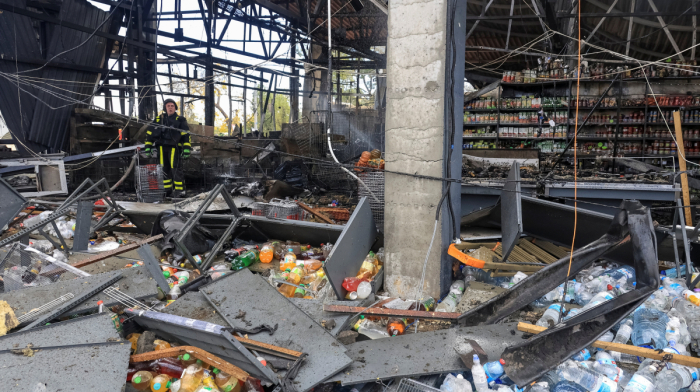
Israel carried out heavy airstrikes on the Hezbollah-controlled southern suburbs of Beirut on Monday (2 March), af...
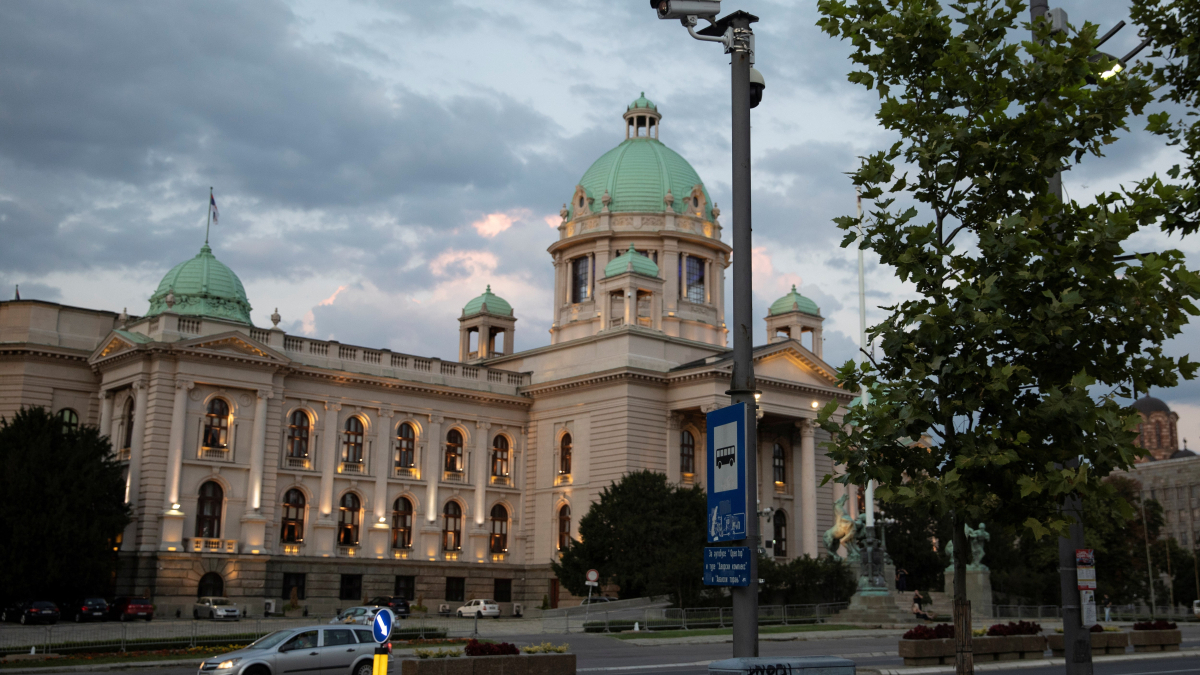
Serbia’s parliament has adopted a 2026 budget that sets a 3 % deficit and reserves 164 billion dinars (about $1.6 billion) for a potential state takeover of oil firm NIS.
Lawmakers endorsed the spending plan in Belgrade on Wednesday, approving a fiscal deficit of 337 billion dinars (about $3.35 billion), equivalent to 3 % of GDP, according to the Finance Ministry. The vote passed comfortably, with the ruling Serbian Progressive Party and its allies holding 154 seats in the 250-seat parliament.
Total revenues are projected at 2,414.7 billion dinars (about $24 billion) and expenditure at 2,751.7 billion dinars (about $27.4 billion).
The budget earmarks 164 billion dinars (about $1.6 billion) that Serbia could use to seize control of NIS, the country’s dominant oil company, from Russian owners Gazprom Neft and Gazprom if they fail to sell their stake by mid-January. NIS has been subject to U.S. sanctions since 2022.
Capital spending is set at 602 billion dinars (about $6 billion), including 47.5 billion dinars (about $470 million) allocated for Expo 2027, which Belgrade is preparing to host.
The plan also sets aside funds for the reintroduction of mandatory military service over the next three years, alongside increases in public-sector wages and pensions, officials said.

Follow the latest developments and global reaction after the U.S. and Israel launched “major combat operations” in Iran, prompting retaliation from Tehran.
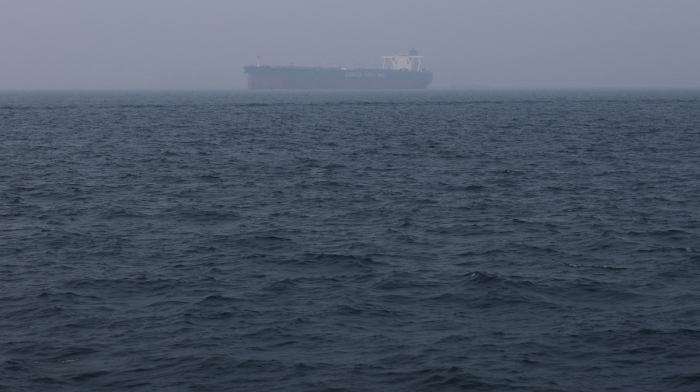
Saudi Arabia’s state oil giant Saudi Aramco closed its Ras Tanura refinery on Monday following an Iranian drone strike, an industry source told Reuters as Tehran retaliated across the Gulf after a U.S.-Israeli attack on Iranian targets over the weekend.
The Kremlin is utilising the recent United States and Israeli military strikes on Iran to validate its ongoing war in Ukraine. Russian officials are pointing to the escalation in the Middle East as evidence that Western nations do not adhere to international rules.
The Middle East crisis intensifies after the deadly attack on Iran's Supreme Leader Ali Khamenei's compound on Saturday that killed him, other family members and senior figures. Iran has launched retaliatory strikes on U.S. targets in the region.
Ayatollah Alireza Arafi has moved into a pivotal constitutional role following the death of Supreme Leader Ayatollah Ali Khamenei, becoming the clerical member of Iran’s temporary leadership council under Article 111 of the Constitution of the Islamic Republic of Iran.
The UK said it's allowing the U.S. to use its bases for defensive strikes against Iran amid escalating missile attacks, after a suspected drone strike hit a British airbase in southern Cyprus, causing limited damage.
The Kremlin is utilising the recent United States and Israeli military strikes on Iran to validate its ongoing war in Ukraine. Russian officials are pointing to the escalation in the Middle East as evidence that Western nations do not adhere to international rules.
European Union stands with its member states in the face of any threat, EU Commission President Ursula von der Leyen said in response to the drone strike that hit Britain's Royal Air Force base of Akrotiri in southern Cyprus overnight.
Start your day informed with AnewZ Morning Brief. Here are the top news stories for the 27th of February, covering the latest developments you need to know.
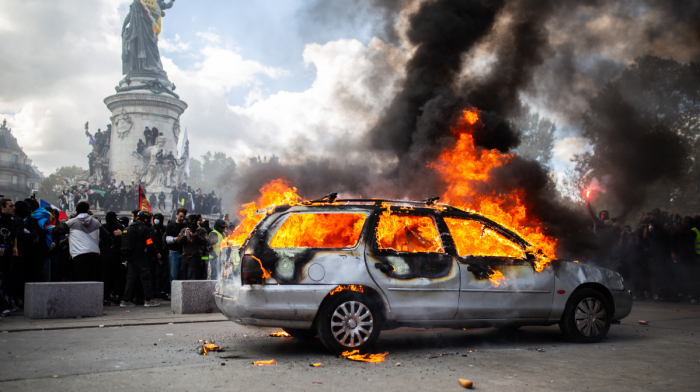
Protests broke out in Pakistan and Iraq on Sunday after Iranian state media confirmed that Supreme Leader Ayatollah Ali Khamenei had been killed in joint U.S.–Israeli strikes. At least nine people were reported dead in clashes near the U.S. consulate in Karachi.
You can download the AnewZ application from Play Store and the App Store.
What is your opinion on this topic?
Leave the first comment