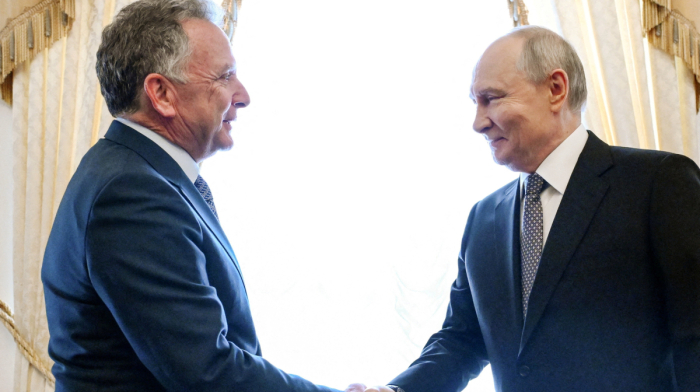
Uzbek President Shavkat Mirziyoyev’s official visit to Tokyo represents more than a strengthening of bilateral relations; it is a strategic step that broadens the economic and diplomatic horizons of the region.
The trip, taking place on the eve of the C5+Japan summit, underscores Japan’s growing interest in Central Asia.
Economic Cooperation: From Investment to Strategic Partnership
In recent years, economic ties between Uzbekistan and Japan have deepened rapidly. Japanese direct investment in Uzbekistan now exceeds €18 billion, while the number of Japanese companies operating in the country has increased tenfold. These figures reflect not only financial flows but also Japanese business confidence in Uzbekistan’s economic development, technology transfer, and workforce training.
During his Tokyo visit, President Mirziyoyev attended high-level business forums and meetings with executives from Toyota, Mitsubishi, Sumitomo, NEC, and Hitachi. These discussions signalled Uzbekistan’s intention not only to attract investment but also to implement joint projects in high-tech and strategic sectors. Over the past eight years, bilateral trade has doubled, and 117 Japanese enterprises are now active in Uzbekistan, highlighting the shift from contract-based projects to a deeper, strategic partnership.
Cultural and Humanitarian Ties: A Long-Term Impact
Beyond economics and diplomacy, Uzbekistan–Japan relations are strengthened through cultural and educational exchanges. Thousands of Uzbek specialists have trained in Japan, and hundreds of students have received higher education through Japanese scholarship programmes. Japanese language courses are currently offered at seven universities in Uzbekistan. These initiatives contribute not only to human capital development but also to the formation of long-lasting trust and understanding between the two nations.
Parliamentary Diplomacy: Youth and Future Generations
The visit also emphasised parliamentary-level engagement. Talks with Masakazu Sekiguchi and Taro Aso highlighted the role of parliamentary diplomacy in advancing bilateral relations. Initiatives such as joint youth forums and the 2026 Global Conference of Young Parliamentarians in Samarkand underline a long-term strategic perspective. Parliamentary “friendship groups” play a critical role in deepening relations not only politically but also socially, fostering ties among younger generations.
Strategic Projects and Future Plans
The next phase of economic cooperation will focus on joint projects in renewable energy, carbon reduction, critical raw materials processing, artificial intelligence, and digitalisation. Projects supported by JICA and JBIC in Uzbekistan already involve tens of billions of euros. In addition, the establishment of special economic zones and the application of Japanese management models reflect the countries’ commitment to a long-term strategic partnership.
Conclusion: Strategic Vision and Regional Significance
Mirziyoyev’s Tokyo visit demonstrates Uzbekistan’s efforts not only to advance economic development but also to strengthen its diplomatic position in the region. Cooperation with Japan extends beyond investment and technology transfer, encompassing cultural, humanitarian, and parliamentary engagement in an integrated system. Uzbekistan’s goal of reaching upper-middle-income status by 2030 is supported by strategic projects facilitated with Japanese backing.
The visit also highlights the strategic importance of the Central Asia + Japan format and signals that Uzbekistan is entering a more ambitious phase of international cooperation.











What is your opinion on this topic?
Leave the first comment