US intelligence assessments indicate that Russian President Vladimir Putin continues to seek full control of Ukraine and to expand Russia’s influence in parts of Europe formerly under Soviet rule, contradicting repeated claims that Moscow poses no threat to the continent.
The findings, which have remained consistent since Russia launched its full-scale invasion of Ukraine in 2022, broadly align with assessments by British and other European intelligence services.
Mike Quigley, a member of the US House Intelligence Committee, said the intelligence picture had not changed during the war.
“The intelligence has always shown that Putin wants more,” he said. “The Europeans are convinced of it, the Poles are absolutely convinced, and the Baltics believe they are first in line.”
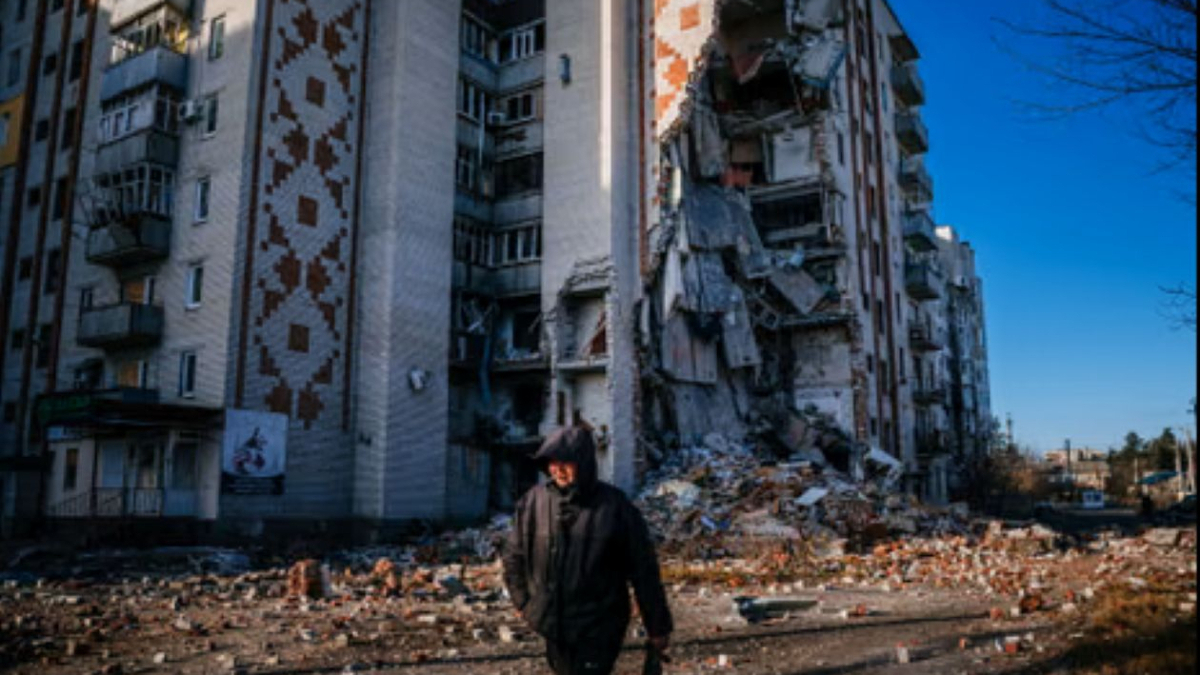
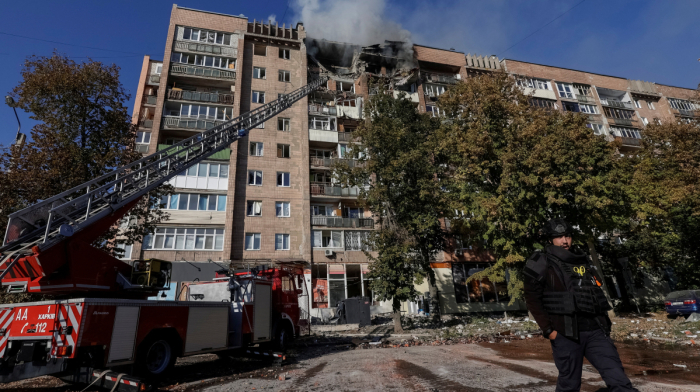
Russia currently occupies about 20% of Ukrainian territory, including most of the Luhansk and Donetsk regions, parts of Zaporizhzhia and Kherson, and the Crimean peninsula. Putin claims Crimea and all four regions as Russian territory.
US President Donald Trump has reportedly urged Kyiv to withdraw from the remaining Ukrainian-held areas of Donetsk. The proposal has been rejected by President Volodymyr Zelenskyy and is widely opposed within Ukraine.
Security guarantees and peace talks
Trump’s negotiating team, including his son-in-law Jared Kushner and U.S. envoy Steve Witkoff, has been discussing a proposed 20-point peace plan with Ukrainian, Russian and European officials.
U.S., Ukrainian and European negotiators are said to agree on the need for security guarantees to protect Ukraine from future Russian aggression.
However, diplomats familiar with the discussions say there is disagreement over whether such guarantees would be conditional on Ukraine ceding territory to Russia.
Zelenskyy has repeatedly ruled out territorial concessions. The proposal under discussion would rely largely on European security forces, deployed in neighbouring countries and in parts of Ukraine away from the front lines, to deter future attacks.
The United States would provide intelligence and logistical support, with the arrangement ratified by the U.S. Senate and backed by U.S.-supported air patrols over Ukraine.
Zelenskyy has expressed scepticism about the plan, saying: “There’s a question I still can’t get an answer to: what will these security guarantees actually do?”
Russia shows little sign of compromise
Putin has given no indication he is prepared to soften his demands, insisting his conditions must be met after Russian forces advanced roughly 6,000 square km this year, according to U.S. officials.
The Trump administration has not publicly set out how it would respond.
Some officials have suggested Russia has a legitimate claim to Crimea and the four occupied regions, while others privately acknowledge that Putin may be unwilling to accept anything short of his original aim of conquering Ukraine.
U.S. Secretary of State Marco Rubio said uncertainty remained over Moscow’s intentions. “I don’t know if Putin wants to do a deal or take the whole country,” he said. “These are things he has said openly. We know what they wanted to achieve initially when the war began. They haven’t achieved those objectives.”
U.S. intelligence analysts caution that progress in any peace talks will depend not only on negotiations but also on whether Putin’s strategic ambitions change. Until then, they say, Ukraine’s security and wider European stability remain at risk.












What is your opinion on this topic?
Leave the first comment