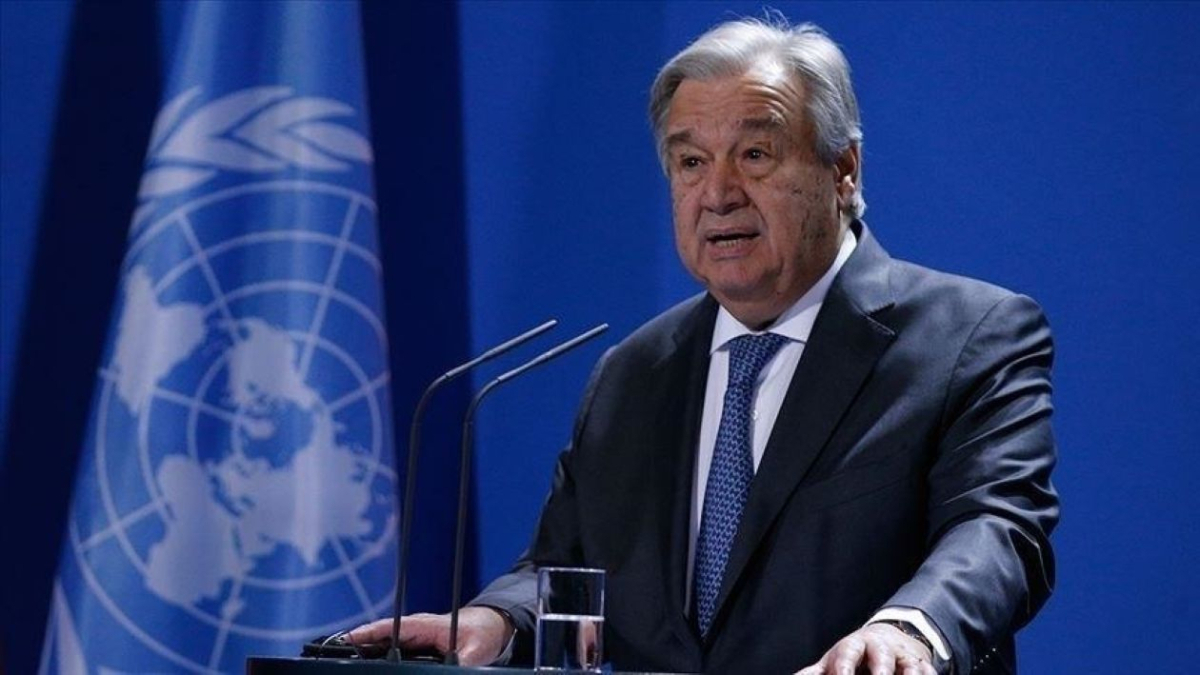
UN Secretary-General Antonio Guterres has issued a stark warning over the humanitarian situation in the Gaza Strip.
Speaking at a press conference at UN headquarters in New York on Friday, he noted that while famine has been temporarily averted, conditions remain extremely fragile. Around 1.6 million people in Gaza—over 75% of the population—face acute food insecurity and serious malnutrition risks.
Temporary Gains and Ongoing Threats
Guterres highlighted that recent increases in humanitarian and commercial food deliveries have temporarily mitigated the risk of widespread famine. “Famine has been pushed back. Far more people are able to access the food they need to survive,” he said. However, he warned that these gains remain “fragile and highly precarious.”
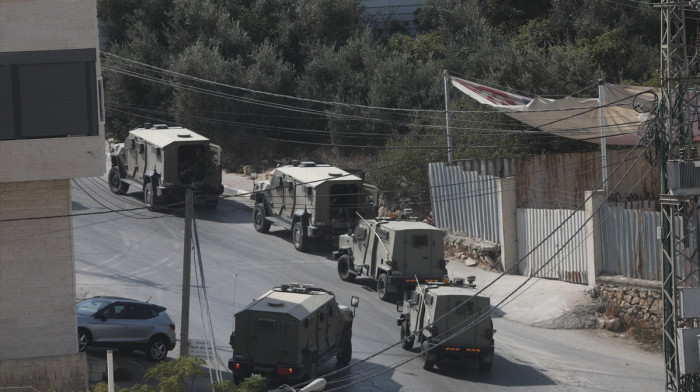
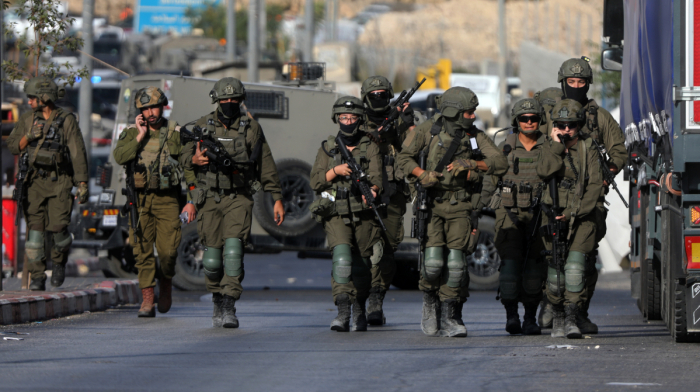
The UN chief also pointed out that in more than half of Gaza, Israeli troops remain deployed, rendering farmland and entire neighbourhoods inaccessible. Ongoing strikes and hostilities continue to escalate civilian casualties and place humanitarian teams in grave danger.
Ceasefire Phase Two and Peace Process Prospects
Guterres criticised Israel’s refusal to move forward with the second phase of the Gaza ceasefire plan, which is contingent upon the return of the final deceased hostage. “It is essential to move to phase two, and there should be no pretext to avoid it,” he said. He added that full implementation of the ceasefire—and the broader peace process—is critical.
West Bank Situation and International Law
Turning to the West Bank, Guterres warned that conditions are deteriorating rapidly. Palestinians continue to face escalating Israeli settler violence, land seizures, home demolitions, and severe movement restrictions. Tens of thousands have been displaced in northern West Bank operations.
He emphasised that provisional measures indicated by the International Court of Justice are binding and must be implemented. Guterres also reaffirmed support for the UN agency for Palestinian refugees (UNRWA), describing its role as “indispensable in serving the Palestinian people.”
Strategic Implications and Humanitarian Perspective
Guterres characterised the crisis as “born of human decisions” and stressed the urgency of ending prolonged suffering. He called for a horizon of hope for Palestinians, full implementation of the ceasefire, and an end to the cycle of violence.
From an analytical perspective, his remarks underline that the humanitarian crisis in Gaza and the West Bank is not limited to food shortages or infrastructure constraints. Long-term resolution is closely tied to political decisions and full adherence to international law. Achieving stability in both regions requires not only consolidating the ceasefire but also advancing the broader peace process.












What is your opinion on this topic?
Leave the first comment