Canada seeks alternative capital sources to reduce reliance on China and offers U.S. secure supply of critical minerals amid trade tensions
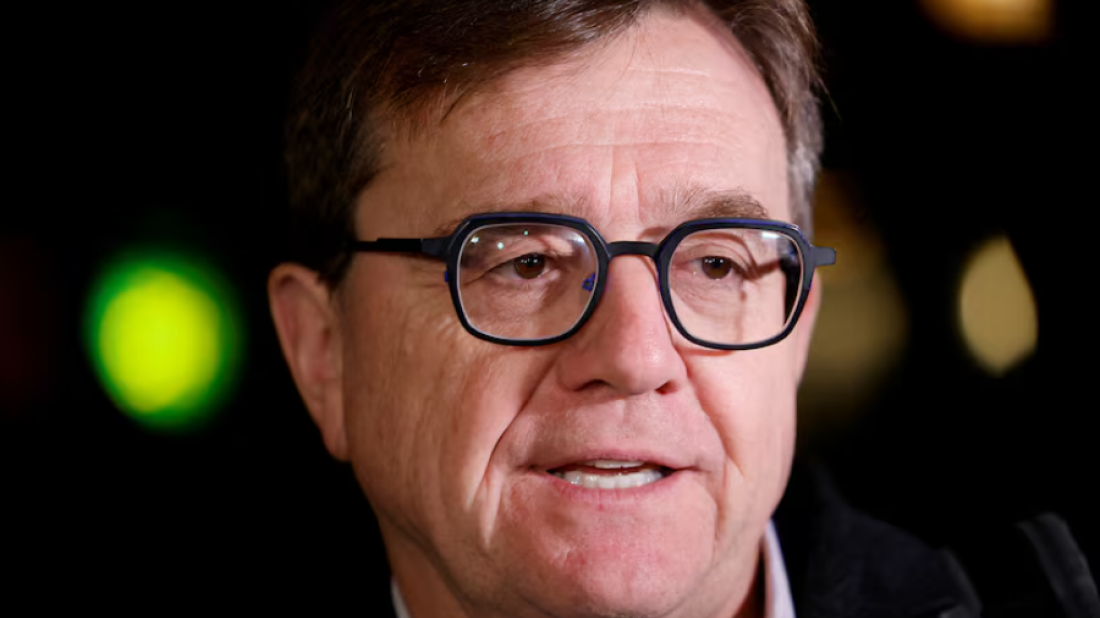
Canada will extend a tax credit on mineral exploration for two additional years as part of the government's move to support investment in exploration projects, energy, and natural resources, Natural Resources Minister Jonathan Wilkinson said on Sunday.
The mineral exploration tax credit is a capital market tool that offers investors a 15% tax credit to invest in flow-through shares of smaller mining companies. It was set to expire on March 31.
Wilkinson said the extension is to ensure that the mining sector has the tools to raise capital for exploration projects. The move is also an attempt by the government to provide companies with an alternative source of capital to China.
Canada has maintained a tough stance against investments from Chinese state-owned enterprises in domestic mining companies. It has asked at least five companies to divest investments from Chinese state-owned enterprises in Canadian-listed companies.
"There was some degree of anxiety on the part of the sector, especially the juniors (exploration companies), whether it's going to be renewed," Wilkinson said in an interview.
The extension is expected to provide C$110 million ($76.05 million) to support mineral exploration investment, he added.
The extension will be announced during the annual Prospectors and Developers Association of Canada (PDAC) conference in Toronto, one of the world's largest gatherings of mining companies and their financiers, which starts on Sunday.
Miners are bracing for a possible trade war in North America unleashed by U.S. president Donald Trump, who is threatening to impose a 25% tariff on most Canadian goods.
Miners are also watching for tougher controls on the export of critical minerals from China. Wilkinson said that Canada has pitched a mutually beneficial partnership to the U.S. by offering Washington a secure supply of critical minerals such as germanium and gallium.
"There are specific types of critical minerals that Canada has that China has been providing in large quantities to the United States, that they have now banned the export (of) into the United States," he said.
Wilkinson said his argument to U.S. officials has been that it is far better to talk about how the U.S. and Canada can help each other. Canada has prepared retaliatory measures in case Trump proceeds with tariffs on Canada and Mexico.
While Canada might not impose an export tax on metals in the first round of its counter-tariff measures, it is considering one on commodities such as zinc, copper, and nickel in the future.
"That may not be the first order of business, but certainly those are tools in the Canadian toolbox, and we're not taking any tools out right now," Wilkinson said.



















What is your opinion on this topic?
Leave the first comment