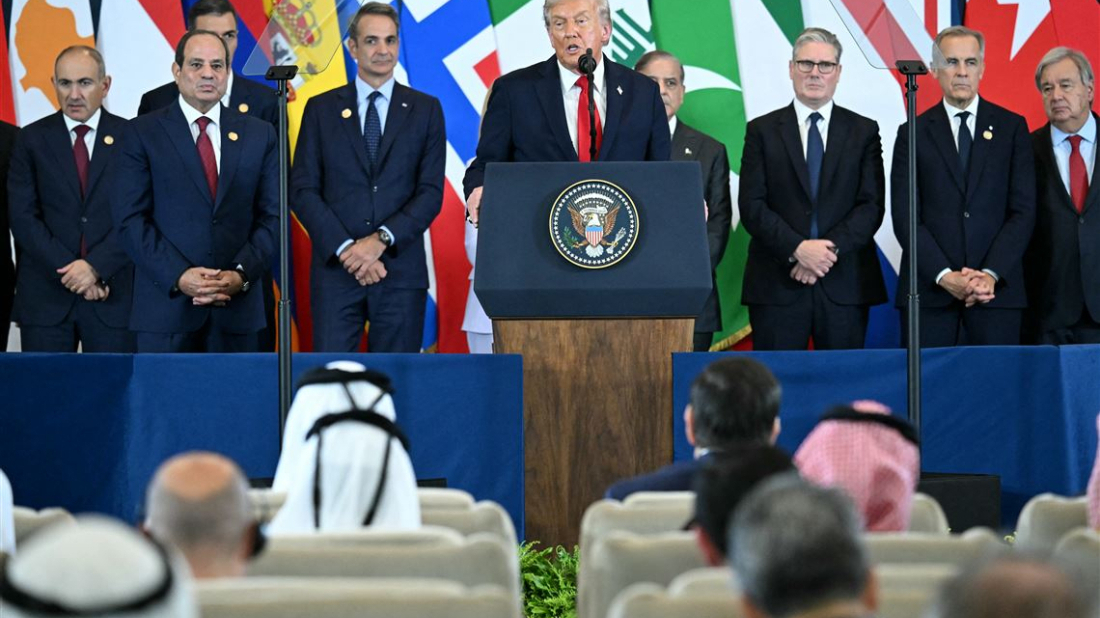
The Gaza summit held on 13 October in Sharm El-Sheikh, Egypt, is being hailed as a significant diplomatic milestone for securing peace in the region.
European Council President Antonio Costa described the summit as “a day of hope for peace,” emphasising the importance of international commitment to achieving a lasting solution. Costa stated that the European Council would continue its support for border control and police training while expanding humanitarian aid for the people of Gaza. He also noted that the European Union has allocated €1.6 billion to the Palestinian Authority to strengthen governance and contribute to the establishment of a democratic, terrorism-free Palestinian state in the future.
UK Prime Minister Keir Starmer said his country is ready to play an active role in disarming Hamas and monitoring the ceasefire. He stressed that the fulfilment of commitments by all parties and the decommissioning of Hamas weaponry is vital for future peace. Starmer added that the UK would draw on its experience in Northern Ireland with the decommissioning of IRA weapons to support these efforts.
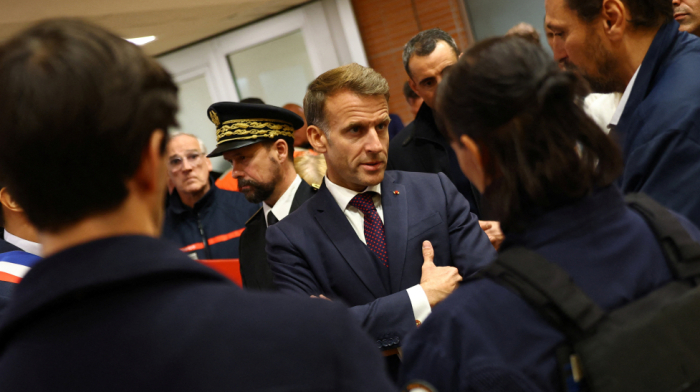
French President Emmanuel Macron described the summit as a “decisive stage” and highlighted the necessity of further diplomatic measures to ensure lasting peace in the region. He also underlined the importance of accelerating humanitarian aid and providing international oversight.
US President Donald Trump called the summit “a day that opens the door to reconstruction.” He noted that Hamas had released the last Israeli hostages held in Gaza, while Israel had freed Palestinian prisoners by bus. Trump added that the reconstruction of Gaza would require demilitarisation and the establishment of a new civilian police force. He also pledged that the US would work to ensure security in the region in the future.
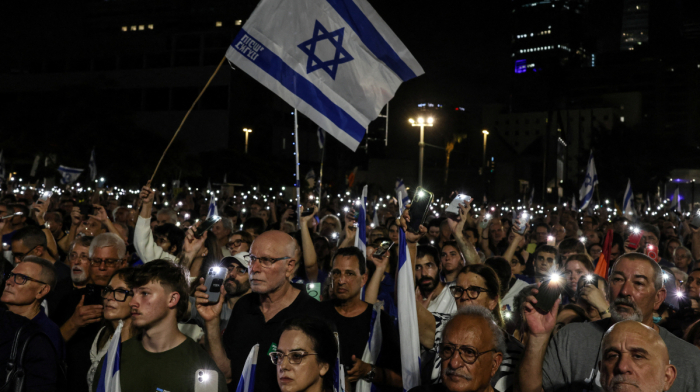
UN Secretary-General Antonio Guterres described the release of hostages as a “crucial opportunity” to end the Gaza conflict. UN spokesperson Farhan Haq said the ceasefire has brought Gaza and Israeli residents “a cautious hope for calm after months of devastation,” adding that the UN and its partners are accelerating humanitarian aid and expanding efforts to meet essential needs.
Egyptian President Abdel Fattah al-Sisi emphasised that a two-state solution is “the only way to meet the legitimate aspirations of the Palestinian and Israeli peoples and live in peace.” He added that Egypt, in coordination with the US, would take the necessary steps to support the reconstruction of the Gaza Strip, including hosting an “Early Recovery, Reconstruction, and Development Conference.” These measures aim to provide Palestinians with livelihoods and hope, highlighting that peace is only complete when reconstruction follows destruction.
During the summit, US President Donald Trump, Turkish President Recep Tayyip Erdoğan, Egyptian President Abdel Fattah al-Sisi, and Qatari Emir Sheikh Tamim bin Hamad Al-Thani signed the Gaza ceasefire agreement. Along the route from the airport to the summit centre, large billboards displayed smiling images of Trump and Sisi with the words “Welcome to the Land of Peace.” Trump thanked Sisi for his mediation role following the summit.
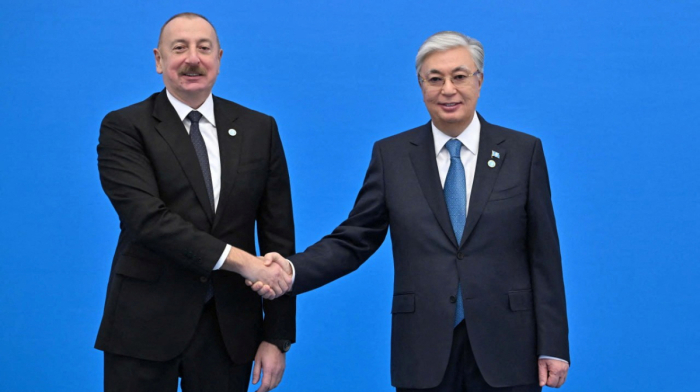
Seven heads of state attended the summit, including US President Donald Trump, Turkish President Recep Tayyip Erdoğan, Egyptian President Abdel Fattah al-Sisi, Qatari Emir Sheikh Tamim bin Hamad Al-Thani, Azerbaijani President Ilham Aliyev, French President Emmanuel Macron, and Palestinian President Mahmoud Abbas.
Experts describe the summit as a historic event for regional peace, improving humanitarian conditions, and initiating reconstruction in Gaza. They note that international monitoring and support will play a decisive role in ensuring the sustainability of the ceasefire.










What is your opinion on this topic?
Leave the first comment