Malaysia announced a plan to resettle 10,000 Rohingya refugees in Türkiye through a vocational training scheme, then removed the statement without explanation.
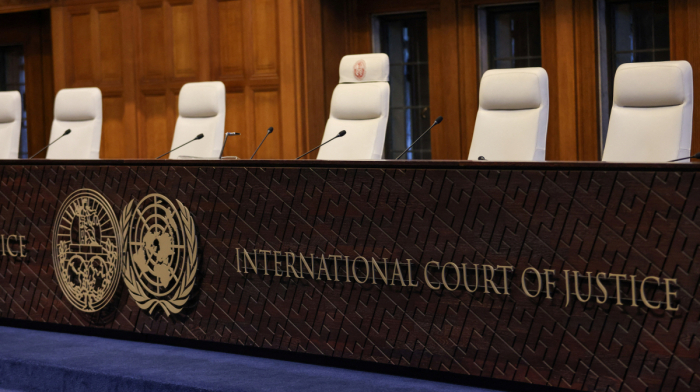
The episode has left the future of the proposal unclear. It came a day after the International Court of Justice (ICJ) ruled that Myanmar had committed genocide against the Rohingya.
Deputy Prime Minister Ahmad Zahid Hamidi said in a Facebook post on Friday that the Cabinet had agreed to a proposal to “resettle 10,000 Rohingya refugees from Malaysia to Türkiye through a structured skills training program”.
Zahid, who chairs the Cabinet Committee on Foreign Workers, said he had put forward the plan after an official working visit to Türkiye. He described it as part of efforts to deal with the Rohingya refugee situation in Malaysia in “a more coordinated, effective and humane manner”.
Under the proposal, as reported by the Malay Mail:
- - Refugees would complete a three- to six-month Technical and Vocational Education and Training (TVET) course focused on skills sought by Turkish employers.
- - Participants would then be better placed to find work in Türkiye, in line with Turkish regulations.
- - Malaysia would work with Turkish authorities, the UN refugee agency (UNHCR) and other bodies on selection, training, documentation and resettlement.
- - Implementation would take into account industry needs, the consent of the refugees involved and international rules.
Zahid welcomed what he described as Türkiye’s agreement to receive the refugees. He called it an important step towards a long-term solution and said it could serve as a model for other countries.
He said Malaysia had to “uphold our immigration laws while giving due consideration to humanitarian concerns”, and that the plan was in line with UNHCR principles on resettlement in third countries.
No details were given on funding, a timetable or how participants would be chosen.
Statement removed
The post was later taken down from Zahid’s Facebook page, and it was not immediately clear why, Reuters and AFP reported. AFP said some Malaysian media outlets also appeared to have removed their reports. Zahid’s office did not respond to requests for comment.
Türkiye’s Foreign Ministry declined to comment on the plan, according to Reuters while AFP reported that the ministry told journalists in a WhatsApp message: “We note that the post by the Deputy Prime Minister... has since been deleted.” Neither news agency reported any Turkish confirmation of the agreement.
Malaysia is not a signatory to the 1951 Refugee Convention and does not formally recognise refugee status.
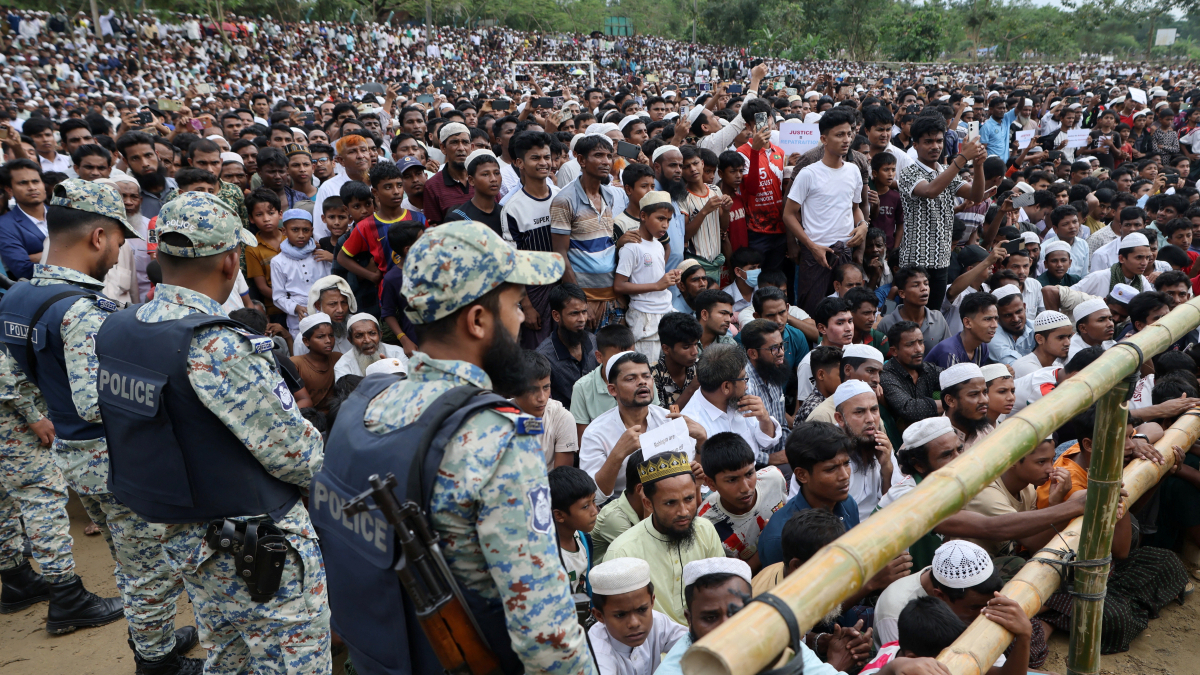
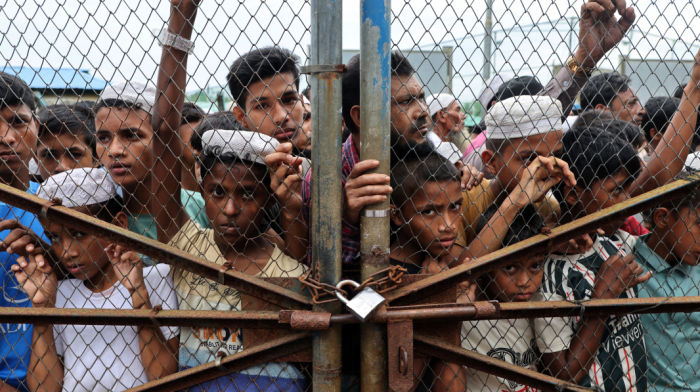
According to UNHCR figures cited by Reuters, Malaysia had about 193,000 registered refugees from Myanmar at the end of February, around two-thirds of them Rohingya.
The Malay Mail, citing UNHCR data reported by the state news agency Bernama, put the number of registered Rohingya at about 126,000.
The government has grown increasingly frustrated with refugees from Myanmar, saying that hosting them is a financial burden and a security risk.
AFP reported rising anti-migrant sentiment in the country. Its fact-checkers have found that Rohingya in Malaysia have been targeted by online disinformation, which rights advocates say fuels xenophobia.
Reuters also reported that Malaysia has sent around 10,000 Myanmar nationals back to Myanmar since January. In late September, it returned about 1,500 Myanmar nationals under a scheme that rights groups warned could put them at risk.
The government said they had agreed to go home voluntarily after being held in detention centres. In October, Malaysia said it would seek clarification from Myanmar after reports that hundreds of returnees had been detained.
In July, Prime Minister Anwar Ibrahim said Myanmar had agreed to take back 5,000 Rohingya asylum seekers from Malaysia. UNHCR has said it does not support returns to Myanmar because of the conflict there.
Genocide ruling
The announcement came a day after the ICJ ruled that Myanmar committed genocide against the Rohingya during its 2017 military crackdown.
The court ordered Myanmar to make reparations, including facilitating the safe and voluntary return of Rohingya refugees.
Read more:








What is your opinion on this topic?
Leave the first comment