Iran hopes for deal to end war as Trump rejects Tehran’s terms
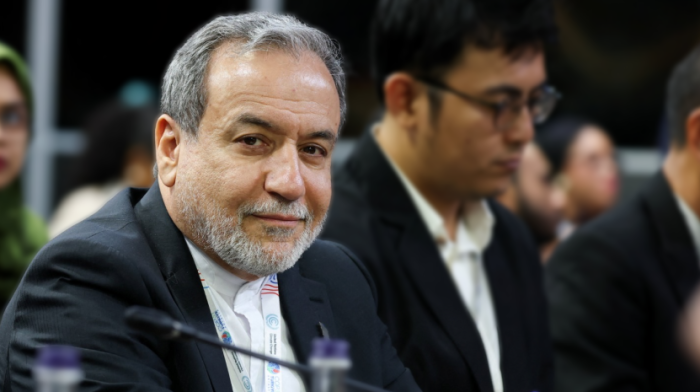
Iran's Foreign Minister, Abbas Araghchi has said Tehran still hopes to end its war with the U.S. through diplomacy. It comes after U.S. Preside...
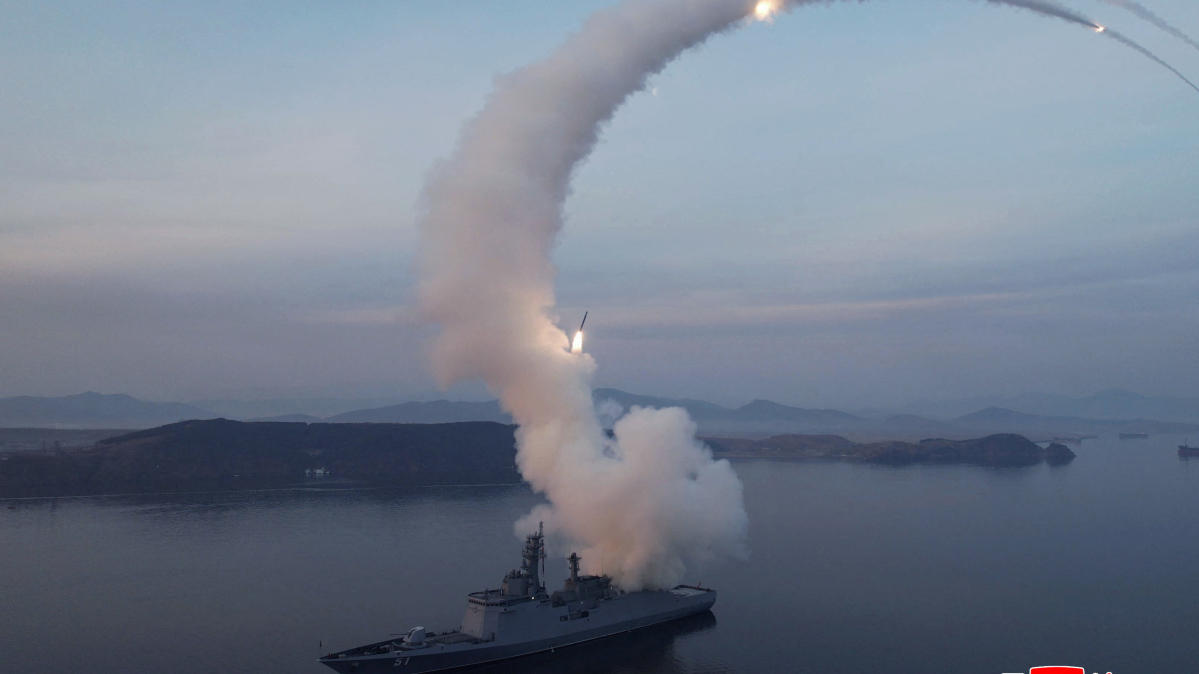
North Korea's state media KCNA reported on Sunday that the country's defence science research institutes tested a major weapon system.
The test was intended to “assess adaptation to combat and power of a cluster-bomb warhead to be tipped on tactical ballistic missiles,” KCNA said.
The test found that a standard Type 2 cluster bomb warhead can destroy a target area of 12 to 13 hectares at its highest density, KCNA said.
The cluster bomb warheads fall into four categories, an official at North Korea's Missile Administration said without elaborating.
North Korea will enable its military units to use all four types by the end of 2026, depending on their operational purposes, KCNA said.
Pyongyang has ramped up its show of force in recent weeks with multiple missile tests and a drone exhibition. Analysts said the tests could be part of efforts to modernise the military.
North Korea has also gained experience in modern warfare by sending troops to fight in Ukraine alongside its ally Moscow.
North Korea test-fired around 10 ballistic missiles from its east coast toward the sea on Thursday, when German Chancellor Friedrich Merz visited South Korea for a summit.
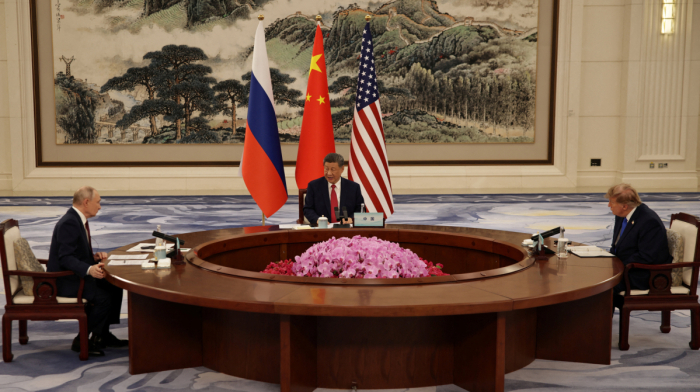
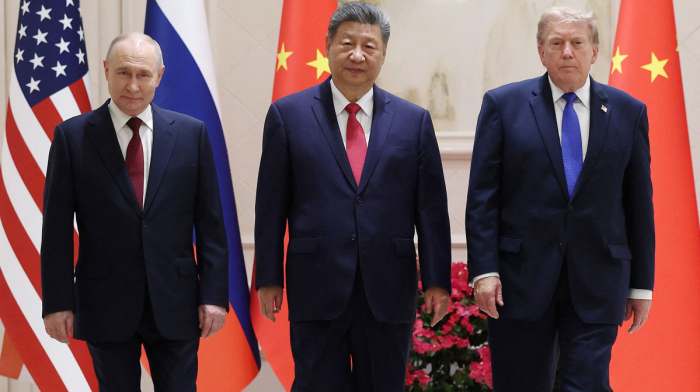
U.S. President Donald Trump, Russian President Vladimir Putin and Chinese President Xi Jinping are holding trilateral talks at the APEC summit in Shenzhen, China, with Ukraine, nuclear arms control and global security on the agenda.
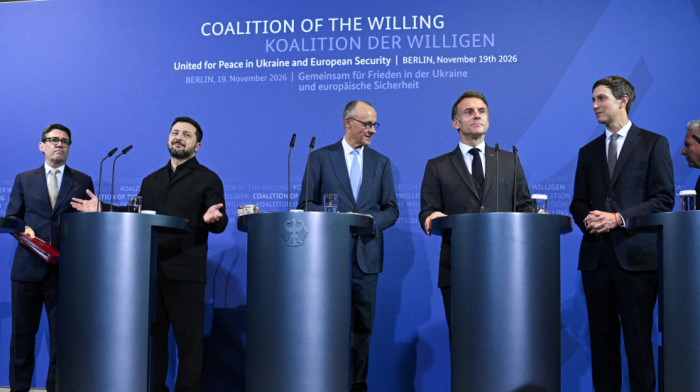
European leaders backing Ukraine met in Berlin on Thursday 19 November and warned that no peace deal should be settled without them.
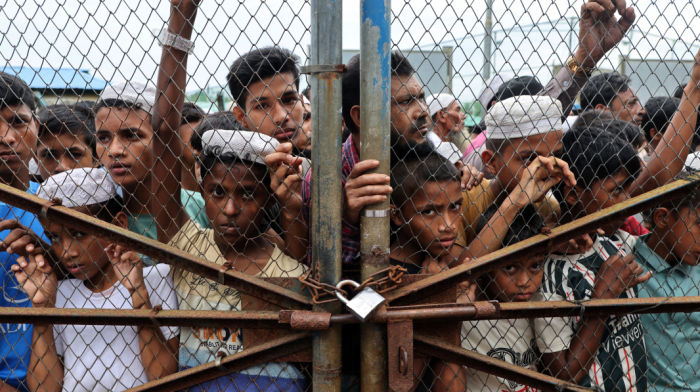
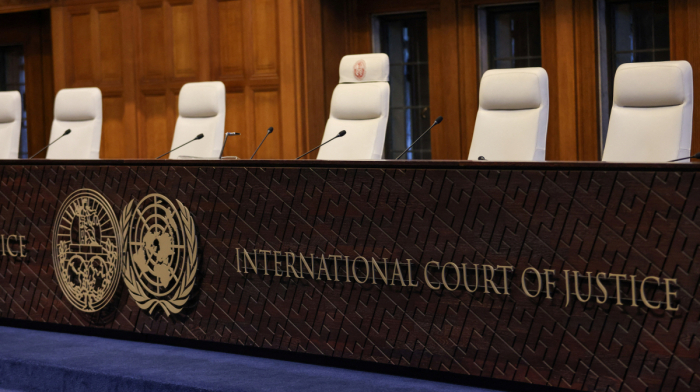
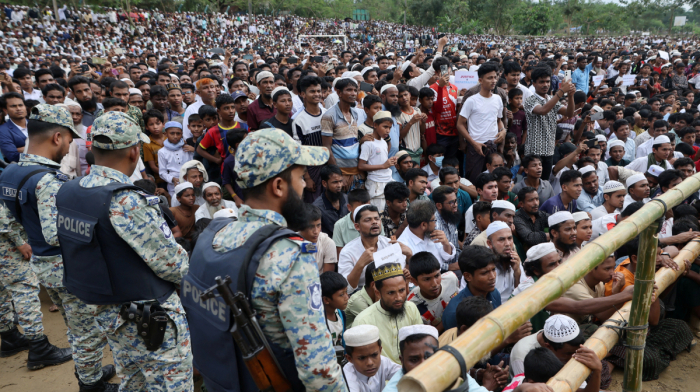
Myanmar's security forces committed genocide against Rohingya Muslims during a brutal military crackdown in 2017 that killed thousands and involved widespread sexual violence, the United Nations' top court ruled on 19 November.
U.S. President Donald Trump, China's Xi Jinping and Russia's Vladimir Putin have issued a joint “declaration of peace” following historic talks in southern China, but stopped short of committing to nuclear arms reductions or addressing the war in Ukraine in their joint statement.
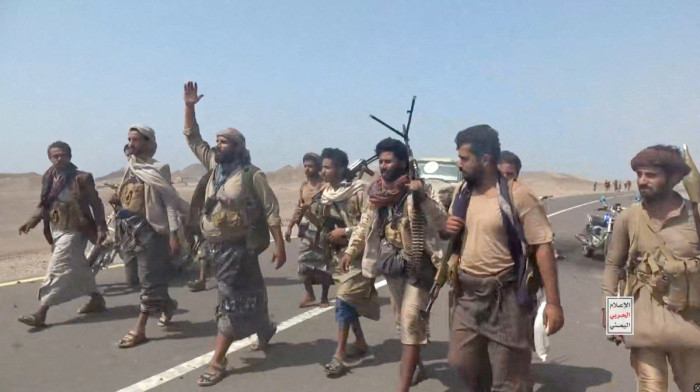
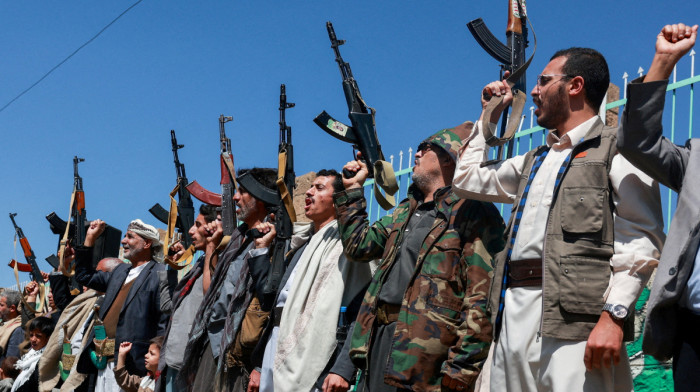
Saudi Arabia is preparing for up to six more months of fighting against Yemen’s Houthis, potentially extending the conflict into spring 2027, Reuters reported, as the kingdom struggles to secure gains on the ground.
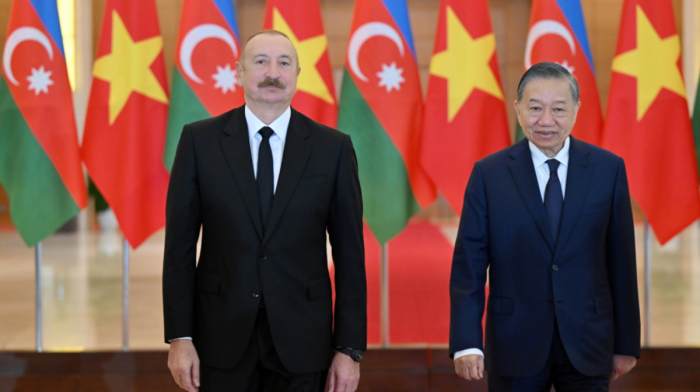
Azerbaijan and Vietnam have strengthened bilateral ties, with Presidents Ilham Aliyev and To Lam adopting a joint statement in Hanoi and overseeing the exchange of agreements on emergency services, administrative cooperation and renewable energy.
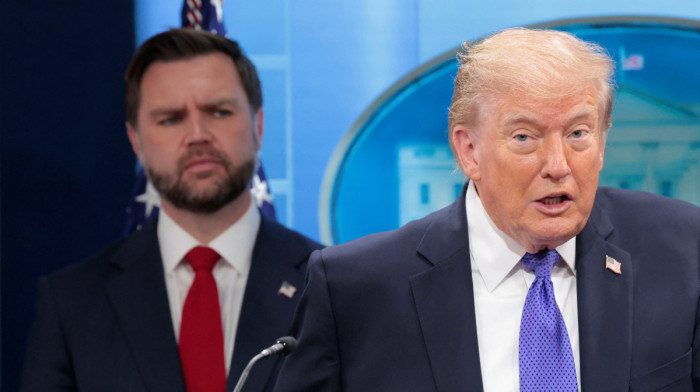
U.S. President Donald Trump has announced that American companies will face heavy penalties if they build data centres outside the country. He said the new policy was one he had not yet discussed with his own staff.
The International Court of Justice ruled on Thursday, 19 November, that Myanmar committed genocide against its Rohingya Muslim minority during a military crackdown in 2017. The judgment marks the first time the United Nations' highest court has held a state directly responsible for genocide.
Yemen has plunged back into full-scale war after nearly four years of uneasy calm. Since fighting resumed in July 2026, Houthi forces have seized key territory, Saudi air strikes have returned and millions of civilians face a deepening humanitarian crisis.
Malaysia announced a plan to resettle 10,000 Rohingya refugees in Türkiye through a vocational training scheme, then removed the statement without explanation.
You can download the AnewZ application from Play Store and the App Store.
What is your opinion on this topic?
Leave the first comment