Deep divisions over Russia's war in Ukraine overshadowed a G20 foreign ministers' meeting in Atlanta on Friday, as European officials criticised Moscow's participation and refused to join a traditional group photograph with Russian Foreign Minister Sergei Lavrov.
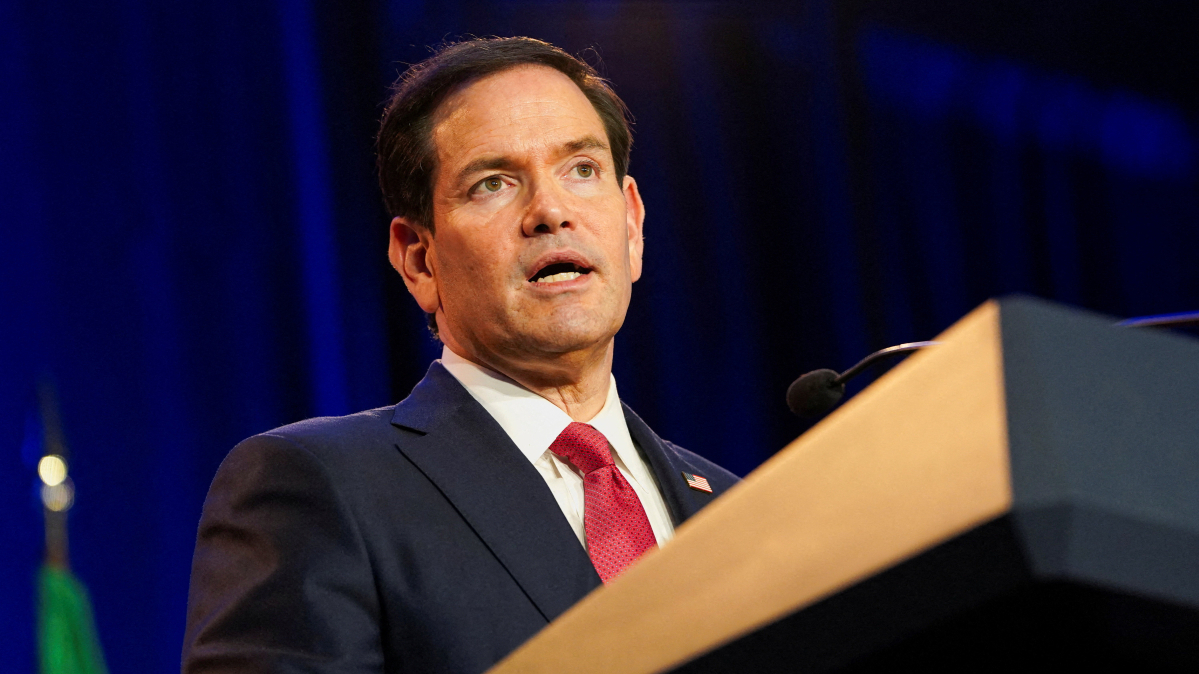
The two-day gathering, hosted by U.S. Secretary of State Marco Rubio, exposed growing disagreements among G20 members over the conflicts in Ukraine and the Middle East, raising doubts about their ability to reach a common position on major global challenges.
Russian Foreign Minister Sergei Lavrov attended the meeting at Rubio's invitation, prompting objections from several Western countries.
British Foreign Secretary Ed Miliband directly confronted his Russian counterpart, accusing Moscow of continuing to kill Ukrainian civilians.
“Only yesterday your drones attacked and killed 15 people. And there are countless examples like this of you killing innocent civilians throughout this war. We all know you are the aggressor.” Miliband said.
Lavrov later told reporters that Moscow's position on the Ukraine conflict was unchanged, and Russia could not accept Ukraine as a “military threat to the lawful security interests of the Russian Federation,” according to Russian news agencies.
The tensions also disrupted a longstanding G20 tradition. U.S. officials said they skipped a traditional G20 family photo after European officials refused to be photographed with Lavrov.
One U.S. official said Washington wanted to avoid a “spectacle” that could overshadow the meeting. A third of members objected, including Australia and Canada, a Western diplomat said.
German Foreign Minister Johann Wadephul told reporters a photograph with Lavrov was unacceptable because “there is no normalcy with Russia.”
Lavrov himself acknowledged concerns over the photograph during the meeting, according to a participant.
Rubio calls for cooperation amid global crises
Despite the diplomatic disagreements, Rubio urged G20 ministers to work together to address mounting economic and geopolitical challenges.
He warned that interconnected crises were threatening global energy and food supplies, international trade and freedom of navigation, calling on his counterparts to identify areas of agreement ahead of the G20 leaders' summit in Miami, Florida, from 14 to 15 December.
However, officials expect the Atlanta gathering to conclude with a statement from the chair rather than a joint declaration, which would require agreement among all members.
Western officials said efforts would instead focus on securing a common declaration at the December summit. It remains uncertain whether Russian President Vladimir Putin will attend.
The war in the Middle East has added another major challenge to G20 discussions, with ministers expressing concern about its impact on the global economy.
Two Western officials said G20 members were in broad agreement about the severity of the economic challenges facing nearly every country as a result of the war in the Middle East. Many participants worried that renewed U.S. strikes on Iran would send oil prices sharply higher, deepening the pain, they said.
“The possibility for a new military operation in Iran is on everybody's mind,” said one of the officials, who spoke on condition of anonymity because they were not authorised to speak publicly. “Everybody is under deep pressure.”
G20 divisions complicate efforts to reach consensus
The disagreements in Atlanta highlight broader challenges facing the G20 as its members navigate competition between the United States and China alongside conflicts in Ukraine and the Middle East.
With G20 members Russia, China and middle powers such as Brazil and India trying to navigate U.S.-China strategic competition, you have “much more of a split than we’ve ever had,” said Heidi Crebo-Rediker, who was chief economist at the State Department during the Obama administration.
Over the past decade or so, G7 countries would at least “have agreed a coordinated platform before they came to the G20, but now we don’t even really have that,” she added.
Countries including Russia, China, Brazil and India are also navigating competing strategic and economic interests, making agreement on major international issues increasingly difficult.
The G20 has struggled to issue joint declarations since Russia launched its full-scale invasion of Ukraine in 2022, with decisions requiring consensus among members.
Ukraine support remains a point of contention
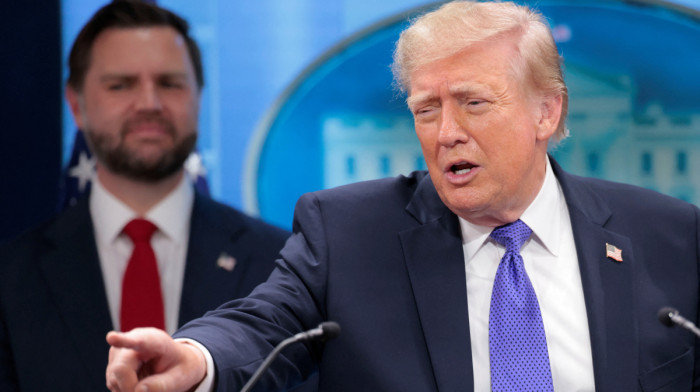
U.S. President Donald Trump's recent decisions involving Russia have further complicated the diplomatic atmosphere.
Participants pointed to Washington's agreement to purchase Russian diesel and its decision to waive certain sanctions, alongside Ukraine's difficulties with its Starshield satellite services.
Ukraine was not invited to the G20 foreign ministers' gathering.
Nevertheless, Washington announced a multibillion-dollar sale of Patriot missile interceptors to Ukraine late on Friday.
Ahead of the meeting, European Union foreign policy chief Kaja Kallas said she would call for increased support for Ukraine, while pushing for progress on accountability measures through the Special Tribunal and Claims Commission.
“Russia must be accountable,” she wrote on X.
Read more of the latest news:








What is your opinion on this topic?
Leave the first comment