The U.S. has approved the sale of 500 Patriot PAC-3 missiles to Ukraine in a deal worth an estimated $2.1 billion, but Kyiv could face years of delays before receiving the weapons it urgently needs to defend against intensifying Russian attacks.
The decision marks one of the most significant U.S. approvals of defensive weapons for Kyiv since the beginning of President Donald Trump’s second administration. However, the missiles have yet to be manufactured, raising concerns about when Ukraine will actually receive them.
Two people familiar with the U.S. decision said deliveries are not expected until several years into the 2030s, despite Ukraine’s urgent need to strengthen its air defences.
Ukraine has repeatedly called for additional Patriot interceptors to counter Russia’s growing missile attacks. The Patriot system is considered particularly effective against high-speed ballistic missiles.
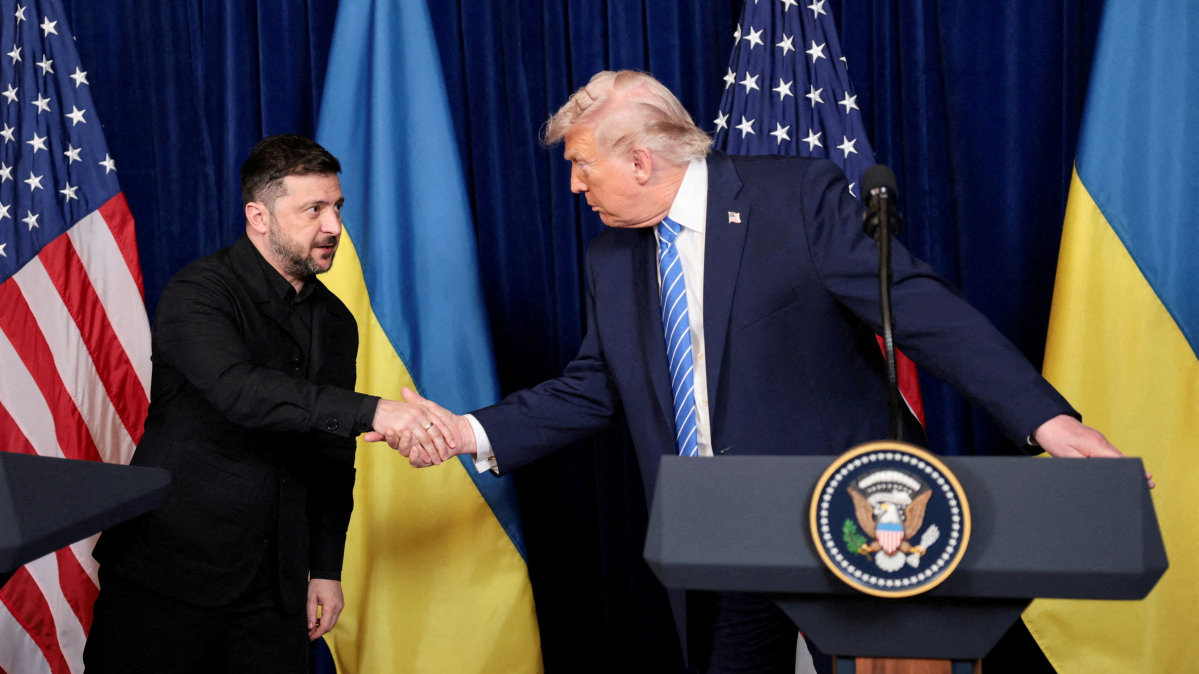
President Volodymyr Zelenskyy said on Monday that Kyiv had been waiting nearly a month for Washington to approve crucial missile supplies, as Russian forces intensified strikes on Ukraine’s energy facilities and civilian infrastructure.
On Thursday, a Russian drone strike killed at least 14 people at a crowded railway platform in Dnipro. Five others were killed in attacks on two regional cities, while a late-night missile strike left one person dead in Kyiv, according to Ukrainian officials.
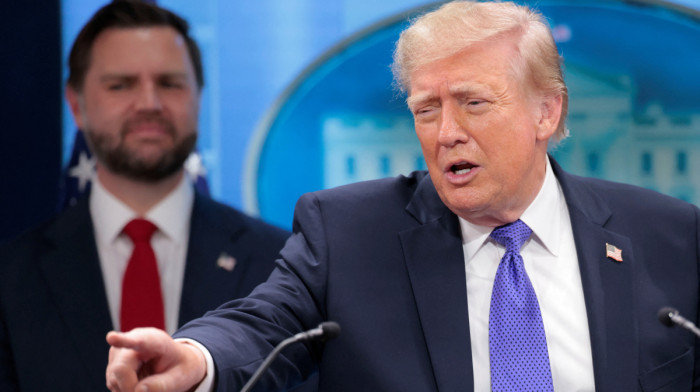
Delays in U.S. weapons deliveries have also strained relations between Washington and Kyiv. Tensions have increased following Trump's announcement of a diesel agreement with Russia and his criticism of Ukraine's continued attacks on Russian oil refineries.
European allies to help finance deal
The State Department said Ukraine would fund the purchase through contributions from Canada, Germany and Norway under the U.S. JUMPSTART programme, alongside national funds supported by the European Union's Ukraine Support Loan.
The JUMPSTART initiative allows allied countries to finance American weapons, military services and training for Ukraine as it continues defending itself against Russia's invasion.
In August, the programme was used to purchase 3,350 air-launched cruise missiles worth $825 million, manufactured by Zone 5 Technologies and CoAspire.
Lockheed Martin will serve as the main contractor for the latest Patriot missile deal.
U.S. moves to expand missile production
The approval comes as Washington faces growing pressure to replenish its weapons inventories. The U.S. has supplied substantial military assistance to allies while also using precision-guided munitions and air defence systems in its own operations in Iran.
These demands have raised concerns about the availability of critical weapons and the ability of manufacturers to meet growing orders.
In July, the U.S. Army awarded Lockheed Martin a contract worth up to $58.6 billion to increase production of Patriot interceptor missiles.
The company said the agreement would support its plan to triple PAC-3 MSE production capacity by the end of 2030. It also expects to expand its workforce at the Camden, Arkansas, facility by 50 per cent, from approximately 1,200 to 1,850 employees.
Lockheed Martin had previously announced plans to increase annual Patriot PAC-3 interceptor production to 2,000 missiles.
Meanwhile, Pentagon negotiators are pushing defence manufacturers to accelerate production, with preliminary agreements reached earlier this year forming part of broader efforts to increase missile output.
Despite those plans, the newly approved missiles are unlikely to provide immediate relief for Ukraine, which continues to face Russian aerial attacks while awaiting additional air defence supplies.
Read more:













What is your opinion on this topic?
Leave the first comment