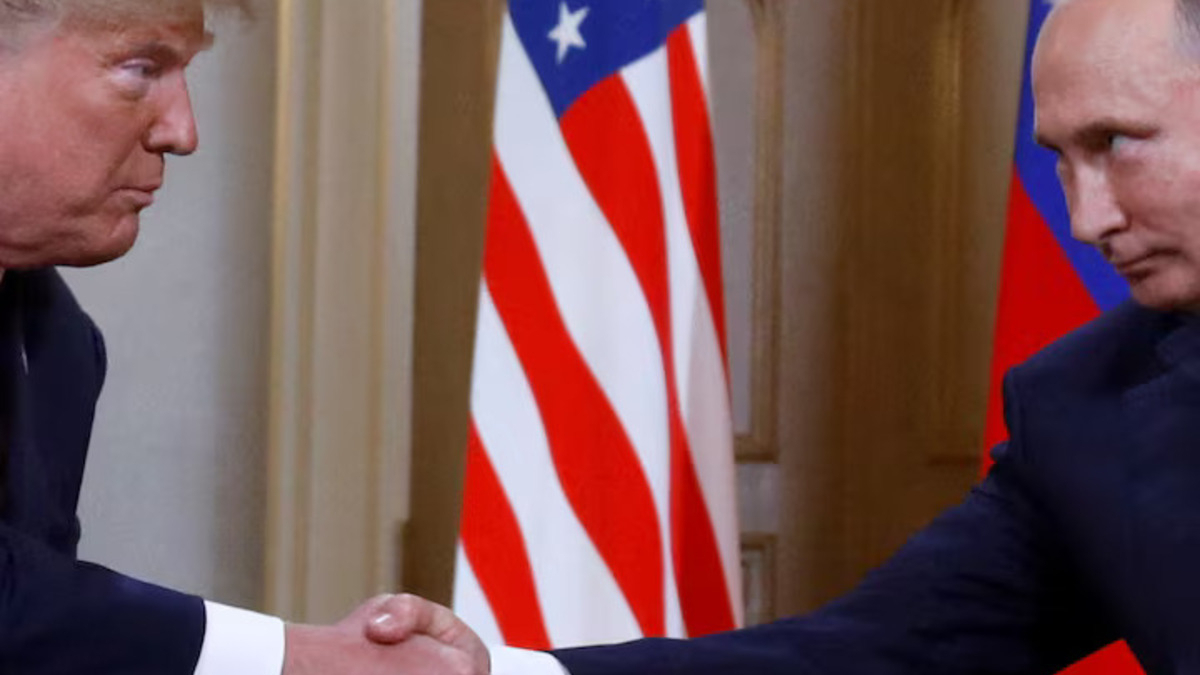
U.S. President Donald Trump has lifted sanctions on Russian diesel exports and announced a Russia-Ukraine energy ceasefire aimed at easing fuel prices ahead of November’s midterm elections. But can Moscow deliver and will the move will bring meaningful relief to markets?
Rising diesel costs have increased pressure on U.S. truck drivers and farmers, putting fuel prices in the spotlightahead of the 3 November elections.
U.S. diesel prices fell by 0.5 per cent on Monday, 12 October, following Trump's announcements, although the longer-term impact of additional Russian supplies remains uncertain.
How much diesel has Russia agreed to supply?
Trump said Russia would immediately release more than 300,000 metric tonnes of diesel (2.25 million barrels) onto U.S. and global markets.
But the amount is small compared with American demand. The U.S. transport sector alone consumes approximately 2.94 million barrels of diesel a day, according to the U.S. Energy Information Administration. The initial shipment would therefore cover less than a day's consumption.
Trump also said Moscow would supply another 500,000 tonnes in November, followed by a further one million tonnes shortly afterwards.
Together, the two additional shipments would cover less than four days of diesel demand from the U.S. transport sector.
What could stop Russia delivering the fuel?
Lifting sanctions does not guarantee that Russian diesel will reach international markets.
Many tankers remain under sanctions, complicating efforts to transport the fuel.
Ukrainian drone strikes have also damaged Russian oil refineries, casting doubt on Moscow's ability to produce and deliver the promised volumes.
How much diesel can Russia export?
Before Ukrainian drone attacks on its refineries began in 2024, Russia could export around 100,000 tonnes of diesel a day.
Since then, damage to refining facilities has disrupted production, forcing Moscow to restrict exports in July to safeguard domestic supplies.
The ban was extended until 31 October for countries without bilateral agreements, while shipments continued mainly to countries with friendly relations in Central Asia.
Industry sources say Russia could meet Trump's initial request for 300,000 tonnes if Ukraine halts its refinery strikes.
Bringing a major drone-damaged refinery in European Russia back into operation could also enable Moscow to produce that volume in October.
Could the deal benefit Russia's economy?
Higher diesel exports could provide Russia with additional revenue, although the direct boost to government finances would be relatively small.
Russian President Vladimir Putin has said Ukrainian strikes on oil refineries have cost the country's economy the equivalent of one per cent of its gross domestic product. Reuters estimates the loss at around $26.6 billion.
Exporting 300,000 tonnes of diesel could generate approximately $400 million. However, only a small share would go directly to the Russian government, which relies primarily on taxes on oil production rather than exports of crude oil and refined fuels.
Russia has around 30 major oil refineries, while Ukraine currently has none in operation.
How have Ukraine and Western governments reacted?
Moscow announced on Saturday that it had partially lifted its diesel export ban, first imposed in July.
Ukrainian President Volodymyr Zelenskyy criticised Trump's agreement with Russia, warning that higher diesel revenues could embolden Moscow to launch further attacks on Ukraine, potentially causing more deaths.
The decision also faced opposition from U.S. lawmakers.
Republican Representative Don Bacon said Washington should enforce the additional sanctions recently approved by Congress rather than ease existing restrictions.
British Prime Minister Andy Burnham said the UK would tighten sanctions against Russia.
Germany's Foreign Minister, Johann Wadephul, reaffirmed Berlin's support for Zelenskyy after Trump called for the Ukrainian president's removal. Wadephul also urged greater pressure on Moscow to resume peace negotiations.
On Monday, the Kremlin said talks on the proposed energy ceasefire were ongoing but did not specify whether they covered only oil refineries or other energy infrastructure.
What role could China play in the diesel market?
China is preparing to resume exports of refined petroleum products after a brief pause during its Golden Week holiday, Reuters reported.
However, October's approved export volumes remain below earlier levels.
China has authorised exports of around 3.7 million metric tonnes of diesel, petrol and jet fuel this month, compared with more than four million tonnes in September.
That figure is also significantly lower than in October last year.
Why are diesel supplies under pressure?
Diesel markets are under pressure from disruptions across several major producing regions.
In Russia, Ukrainian drone strikes have damaged refining facilities, while sanctions and shipping restrictions have further constrained exports.
The war involving Iran has added to the strain, reducing fuel supplies from Gulf producers.
What is being done to boost fuel supplies?
The Group of Seven (G7) nations have agreed to release fuel from their strategic reserves as part of an effort coordinated by the International Energy Agency (IEA).
In March, the 32-member agency organised the largest emergency release of oil reserves on record, involving more than 400 million barrels of crude oil and petroleum products.
The IEA has since called on participating countries to release any remaining volumes from that operation to help ease pressure on global markets.
Read more:




















What is your opinion on this topic?
Leave the first comment