European natural gas prices climbed on Monday, 23 November, as rising tensions in the Middle East and forecasts of colder weather sparked fresh concerns over winter supplies.
The Dutch Title Transfer Facility (TTF) natural gas futures contract, Europe's key wholesale gas benchmark, rose 3.1 per cent to €91.195 ($100.02) per megawatt-hour, according to data from Investing.com. Prices have risen 7.55 per cent over the past week and 38.31 per cent in the past three months.
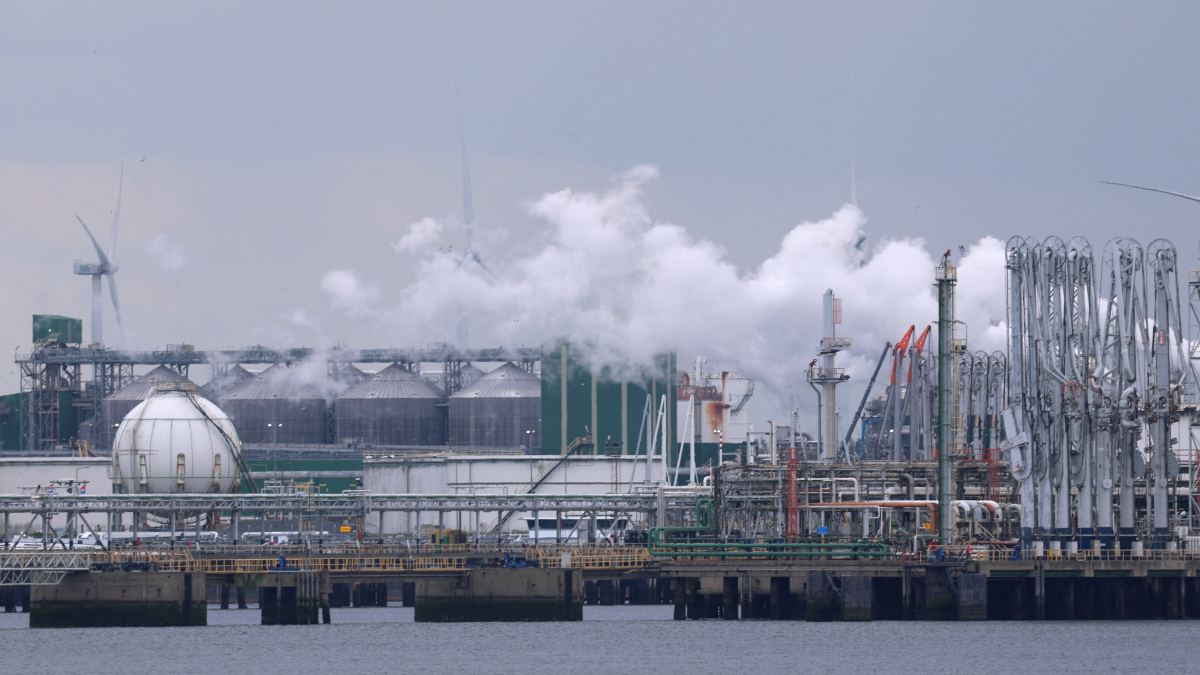
Gas storage across the European Union has dropped to around 69 per cent of capacity, according to Investing.com, increasing the region's vulnerability to supply disruptions as heating demand rises.
Middle East tensions threaten gas supplies
Growing tensions in the Middle East have raised fears of disruptions to energy shipments from the Gulf, a major supplier of liquefied natural gas (LNG) to global markets.
Attacks on energy infrastructure and commercial shipping near the Strait of Hormuz have fuelled concerns about the reliability of future supplies, Investing.com reported.
The Strait of Hormuz is a vital shipping route for global energy trade, including LNG exports from Qatar. Any prolonged disruption could intensify competition for alternative gas supplies, driving European prices even higher.
With reserves already below typical seasonal levels, Europe has less room to absorb sudden supply shortages, particularly during periods of peak demand.
Colder weather adds to Europe's energy concerns
Forecasts of falling temperatures across north-western Europe have added to pressure on gas markets as the winter heating season gathers pace.
Colder conditions drive up demand for natural gas for household heating and electricity generation, leading to faster withdrawals from storage.
If freezing conditions persist alongside disruptions to Middle Eastern energy shipments, Europe's gas reserves could come under further strain.
Governments and energy companies now face the challenge of keeping supplies secure throughout winter while limiting the impact of rising prices.
The outlook for European gas prices will largely depend on how severe the winter becomes, how quickly storage reserves are depleted and whether energy shipments from the Gulf face further disruption.
For European governments and energy companies, the immediate challenge is maintaining sufficient reserves through winter while managing the risk of further price increases.
The direction of wholesale gas prices will depend on winter temperatures, storage withdrawals and developments affecting energy shipments from the Gulf.
Read more:














What is your opinion on this topic?
Leave the first comment