Ukrainian President Volodymyr Zelenskyy has criticised U.S. President Donald Trump’s decision to ease sanctions on Russian diesel exports, questioning why Moscow was granted an economic benefit without an apparent concession towards ending the war in Ukraine.
Speaking to Axios on Saturday, Zelenskyy said the move appeared to reward Russian President Vladimir Putin while undermining Kyiv’s efforts to secure a diplomatic breakthrough.
“It looks like a happy birthday present for Putin,” he said, describing the decision as “absolutely terrible”.
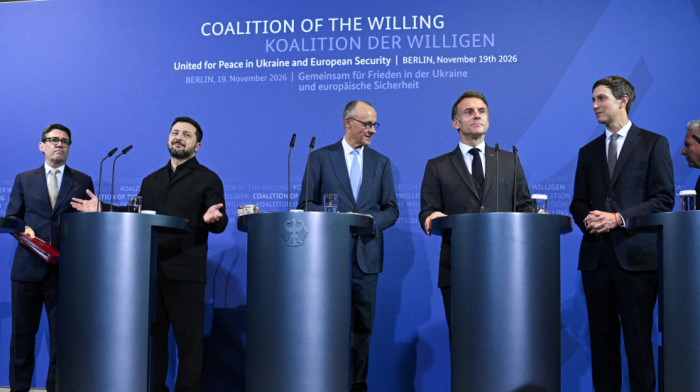
Zelenskyy said he had agreed to meet U.S. envoys Steve Witkoff and Jared Kushner in Florida to discuss possible negotiations aimed at ending the war before winter.
According to the Ukrainian president, the envoys did not mention a potential agreement on Russian diesel exports during their discussions. His negotiating team reportedly informed him shortly before Trump’s announcement that the U.S. president planned to speak with Putin and might announce a change in sanctions policy.
“It’s not honest, really, because we tried to build our relations in the best way,” Zelenskyy said, questioning whether Washington had engaged with Kyiv while separately negotiating with Moscow.
He added that he wanted a full account of the Florida discussions and to understand whether the diesel arrangement was connected to a planned visit by Trump’s representatives to Russia.
Zelenskyy acknowledged that he did not know whether the decision was intended to secure a meeting with Putin, saying: “Maybe I’m not right. But it looks this way. Otherwise, why do it?”
Zelenskyy says energy truce could justify easing sanctions
The Ukrainian leader said he would have supported easing restrictions on Russian energy exports if it had been part of an agreement to halt attacks on both countries’ energy infrastructure over winter.
“If the price is energy ceasefire, this negotiation is good,” he said.
Without such a commitment, Zelenskyy questioned what Washington had gained from the arrangement, asking whether the prospect of additional diesel supplies justified granting Moscow relief.
Despite his criticism, he stopped short of ruling out the United States as a mediator in efforts to end the conflict.
“We need the Americans to try to stop this war,” he said.
Trump spoke to Putin by telephone on Friday, later describing their conversation as a “highly successful discussion”.
In a post on Truth Social, Trump said the talks had resulted in an agreement for Russia to supply more than 300,000 tonnes of diesel immediately, with further deliveries planned in November and subsequent months, depending on the condition of Russian refineries.
Putin said increased Russian diesel supplies to U.S. and international markets would benefit the global economy. The leaders also discussed the war in Ukraine, the energy sector, Iran and bilateral relations, according to the Russian president.
The dispute comes amid continued efforts to negotiate an end to Russia’s full-scale invasion of Ukraine, launched in February 2022.
Zelenskyy’s criticism highlights a central challenge facing peace efforts: Kyiv wants any economic concessions to Moscow to be matched by concrete steps towards ending hostilities, while Washington continues to engage directly with the Kremlin.
Read more:









What is your opinion on this topic?
Leave the first comment