Ukrainian drone strikes have hit two Yandex data centres in Russia on consecutive days, disrupting digital services as Kyiv intensifies attacks on Russia's digital infrastructure.
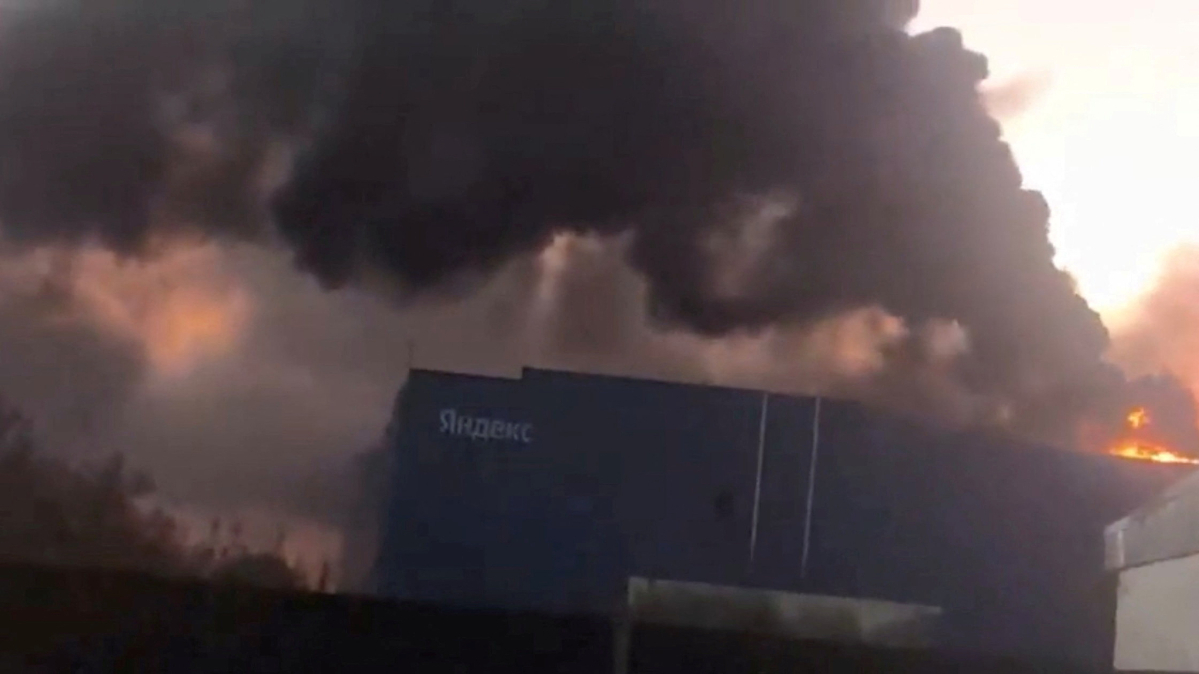
Yandex said on Friday that a Ukrainian drone strike had partially disabled its data centre in Russia's Kaluga region, southwest of Moscow.
The attack followed another strike on a Yandex data centre in Sasovo, southeast of the capital, a day earlier.
Ukrainian arms manufacturer Firepoint said Kyiv had deployed FP-1 one-way attack drones against what it described as Yandex's largest data centre in Kaluga, knocking several modules completely out of action.
Yandex said its teams were working around the clock to restore services, although it remained unclear how long repairs would take.
“Our teams are working day and night to do everything possible to keep services running and to help those affected by the incident,” the company said in a statement.
“Right now this is our most important task, but unfortunately it is not an easy one.”
Thousands of users affected by disruption
Yandex provides a wide range of digital services, including navigation, music, films, food delivery and cloud computing, allowing businesses to store data and manage online operations.
The disruption has left some customers unable to access their services. Alexander Savitsky, who runs the dating app Pulse, told Reuters that all 8,000 of its users had been unable to access the platform since Thursday.
“We have no confirmation of actual data loss, but the situation is serious: the project represents three years of work,” he said.
Yandex said it had secured an agreement with other cloud providers to help clients quickly transfer their data and services.
The company's shares dropped more than 4 per cent on the Moscow exchange.
Maryana Lazaricheva, head of equity research at T-Investments, warned that the strikes could affect Yandex's revenue and pose risks to its business customers.
With two of Yandex's five data centres now hit, the full extent of the disruption remains unclear.
Drone warfare expands to digital infrastructure
Russia and Ukraine have increasingly used drones to strike critical infrastructure as the war enters its fifth year.
Targets have expanded far beyond military installations to include energy infrastructure, oil refineries, ports, vessels carrying oil and grain, e-commerce warehouses and, more recently, data centres.
Ukraine has previously struck warehouses operated by Russian e-commerce giants Wildberries and Ozon, while Russia has carried out similar attacks on Ukrainian facilities.
Over the past month, Russian strikes on Ukraine's data centres and telecommunications networks have forced several facilities to suspend operations. One attack triggered temporary internet outages affecting 100,000 households.
Ukraine's digital minister told Reuters last month that Kyiv was moving digital infrastructure underground in response to the attacks.
Ukrainian President Volodymyr Zelenskyy confirmed on Friday that Ukrainian drones had struck the Kaluga data centre, calling it retaliation for Russian attacks on Ukraine's infrastructure.
“We always respond in mirror-like fashion,” Zelenskyy said on Thursday.
The regional governor reported nine people injured in the Ukrainian attacks, five of whom required hospital treatment.
Read more:
















What is your opinion on this topic?
Leave the first comment