U.S. President Donald Trump has hinted at a possible shift in Washington's approach to the conflict with Iran after 1 January, while raising concerns over Tehran's alleged pursuit of chemical and biological weapons.
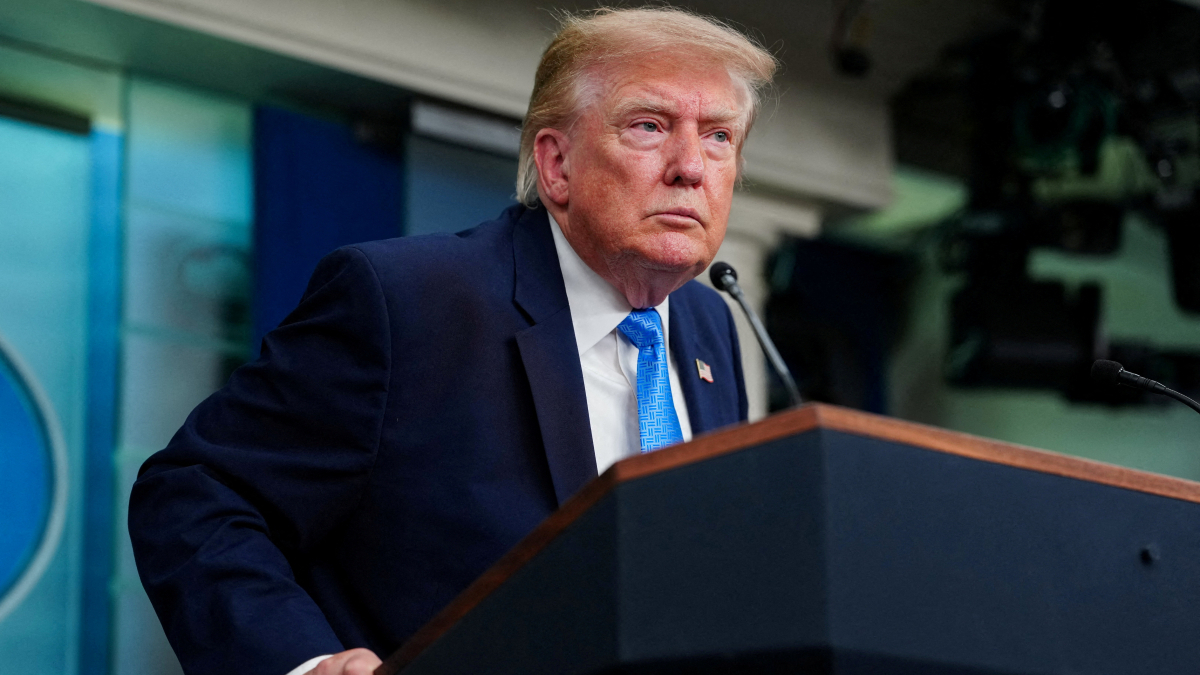
U.S. President Donald Trump said Washington would “see what happens” after 1 January in its conflict with Iran, without explaining the significance of the date.
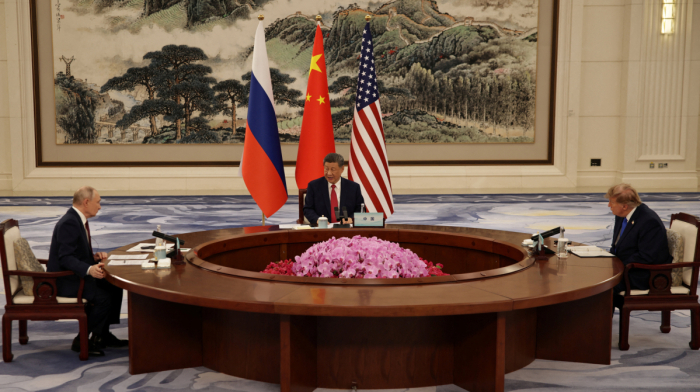
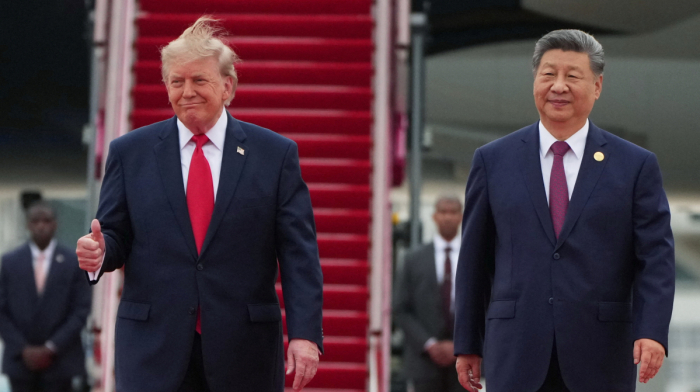
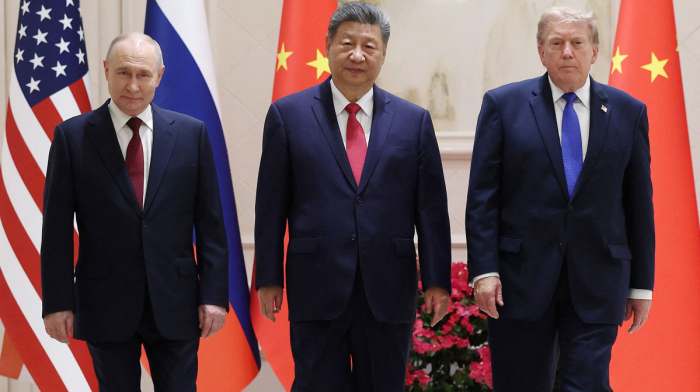
Speaking to Fox News during a visit to China, Trump suggested the new year could bring a change in Washington's approach to the conflict.
“We're going to have a new year coming up, and we'll see what happens after January 1. But they've been nasty,” Trump said.
His comments come amid uncertainty over the conflict's future, with Trump alternating in recent weeks between threats of further military escalation and suggestions that Washington could scale back hostilities.
Trump raises concerns over alleged Iranian weapons development
During the interview, Trump was asked about a CNN report alleging that Iran was planning to detonate a radioactive “dirty bomb” in Washington.
He played down the prospect of an immediate threat to the U.S. capital, saying “I don't think so” when asked whether residents should be concerned.
However, Trump claimed Iran was exploring chemical and biological weapons capabilities, without providing evidence to support his allegations.
“There is indication that Iran is looking at gases, looking at bio, because we've shut them out with the nuclear,” he said.
A dirty bomb combines conventional explosives with radioactive material, spreading radioactive contamination without triggering a nuclear explosion.
Iran's Foreign Ministry did not immediately respond to a Reuters request for comment on Trump's remarks, although a ministry spokesman had dismissed the CNN report as “baseless” on Tuesday.
Israel shares intelligence on Iran's military capabilities
Two Israeli officials told Reuters that Israel had shared intelligence with the U.S. over the previous two weeks on Iran's military build-up, including alleged chemical weapons development.
Mossad chief Roman Gofman also visited the U.S., where he reportedly pushed for the resumption of joint U.S.-Israeli strikes on Iran.
Israel, the U.S. and other Western countries have long accused Tehran of seeking to develop nuclear weapons, claims Iran has repeatedly rejected.
Trump cited the destruction of Iran's nuclear programme as one of his main reasons for launching joint military strikes with Israel in February.
Washington plays down immediate threat to U.S. capital
Despite concerns about Iran's alleged weapons capabilities, U.S. Secretary of State Marco Rubio said on Wednesday he did not believe Washington faced an imminent threat.
His remarks followed CNN's report alleging a possible radioactive attack on the U.S. capital.
Trump's comments have added to uncertainty over Washington's next move, with his administration signalling both the prospect of further military action and a possible easing of hostilities.
He offered no explanation of whether 1 January marked a deadline, a potential policy shift or simply the start of a new year.








What is your opinion on this topic?
Leave the first comment