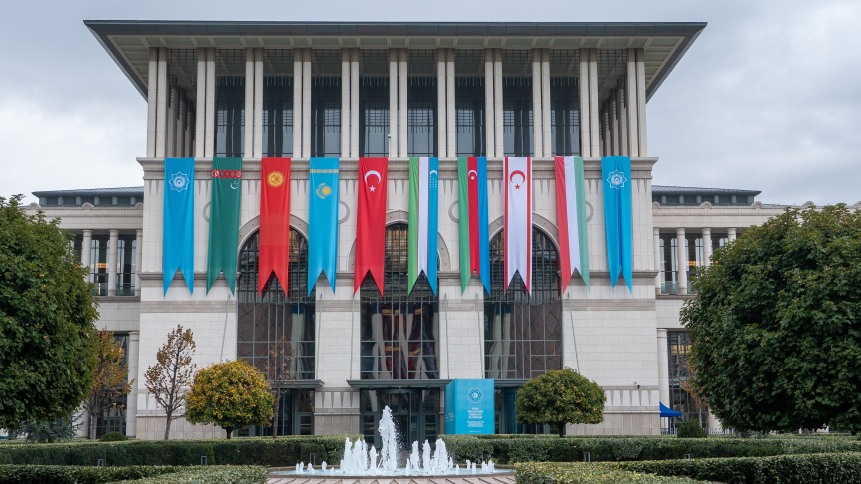
Leaders of the Organization of Turkic States (OTS) are meeting in Ankara for their 13th summit, with Türkiye set to take over the rotating chairmanship from Azerbaijan as members seek closer economic, political and defence ties.
The summit will focus on strengthening political and economic ties, expanding defence cooperation and improving transport links between Asia and Europe. Members will also appoint a new secretary-general.
Held under the theme ‘Turkic Century: Unity in Language, Thought and Deed’, the summit reflects Türkiye’s push for greater cooperation among Turkic countries and a stronger collective voice on the international stage.
Ankara’s priorities during its chairmanship include improving the organisation’s staffing and finances and strengthening coordination among bodies overseeing Turkic cooperation.
Proposals also include a common museum card for member countries, shared airport service points, a joint e-commerce platform and closer cooperation in football, according to Kürşad Zorlu, deputy chairman of Türkiye’s ruling AK Party.
The summit coincides with Türkiye’s 103rd Republic Day on 29 October, adding symbolic significance to the gathering. Ankara has also been named the Turkic World's Tourism Capital for 2026.
What is the Organization of Turkic States?
The OTS was established in 2009 when Azerbaijan, Kazakhstan, Kyrgyzstan and Türkiye signed the Nakhchivan Agreement in the Azerbaijani city of Nakhchivan.
The agreement laid the foundations for closer political, economic and cultural cooperation between Turkic-speaking countries.
While leaders of Turkic states had held meetings before, the agreement marked the creation of their first formal organisation, initially known as the Cooperation Council of Turkic Speaking States.
Uzbekistan joined in 2019, before the organisation adopted its current name in 2021.
Today, the OTS has five full members: Azerbaijan, Kazakhstan, Kyrgyzstan, Türkiye and Uzbekistan. Hungary, Turkmenistan and Cyprus hold observer status.
Hungary became an observer in 2018 under Viktor Orbán’s government, which sought to strengthen relations with Turkic countries.
Who is attending the summit?
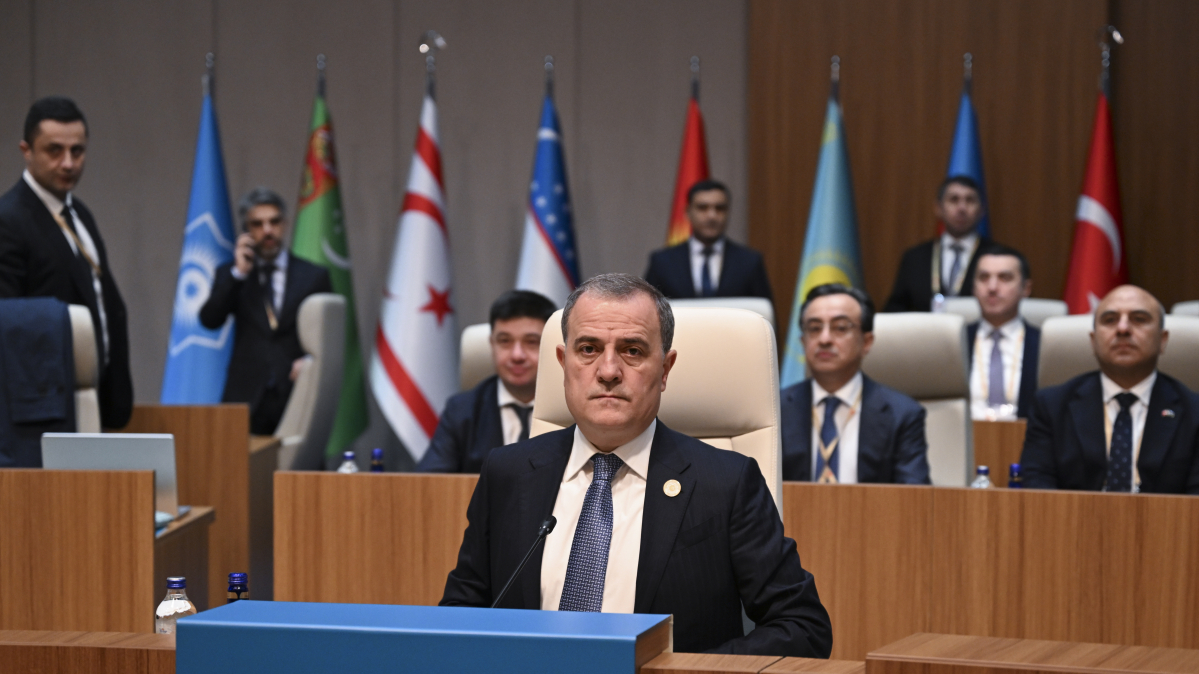
Leaders from four of the five full member states are attending the Ankara summit, while Azerbaijan is represented by Foreign Minister Jeyhun Bayramov.
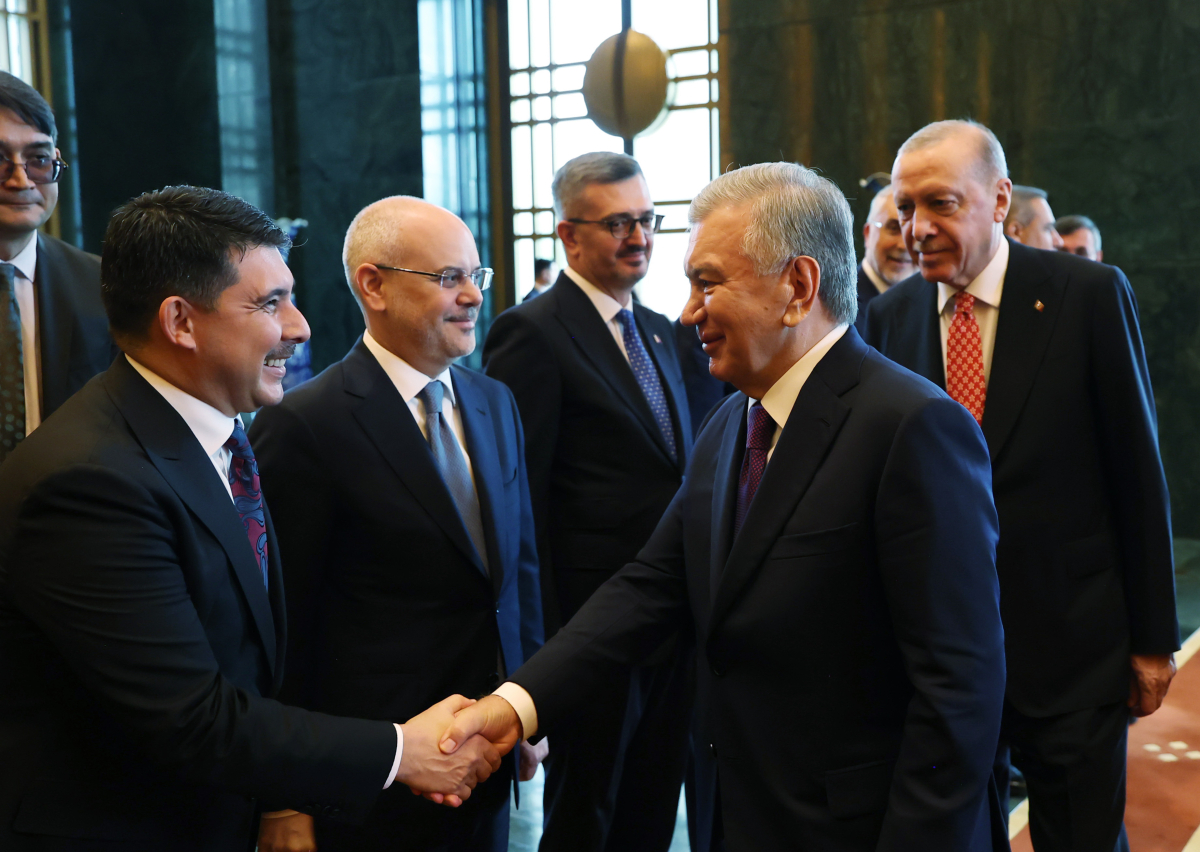
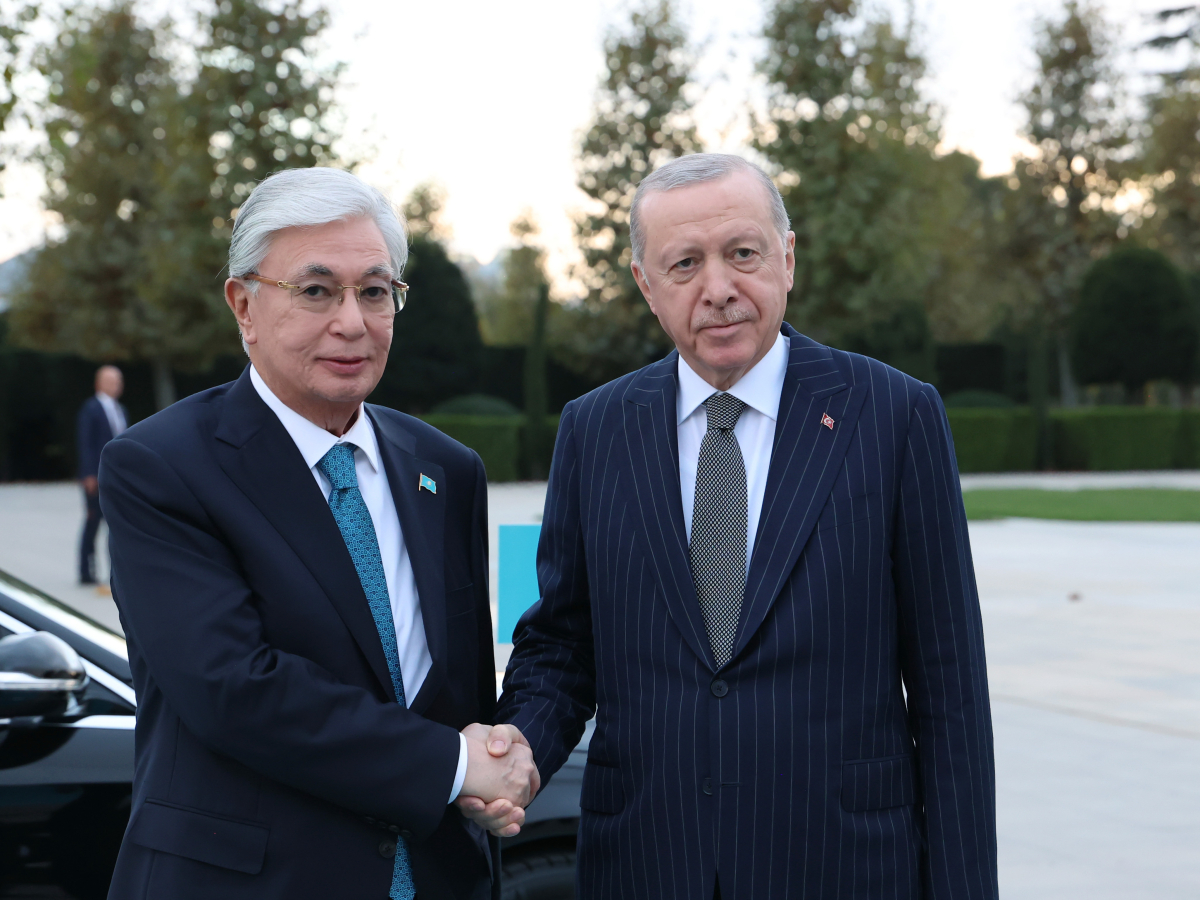
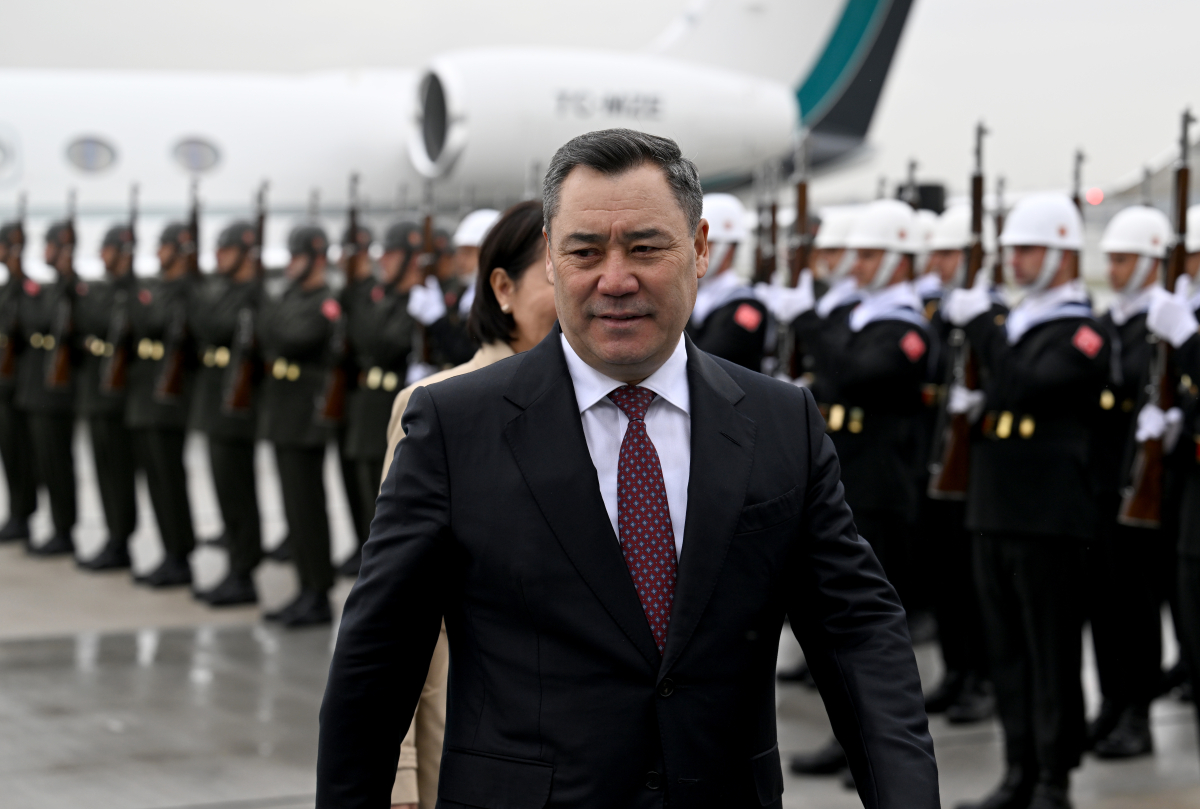
Among those attending are Kazakhstan’s President Kassym-Jomart Tokayev, Kyrgyzstan’s President Sadyr Japarov and Uzbekistan’s President Shavkat Mirziyoyev.
Turkish President Recep Tayyip Erdoğan is hosting the event.
Turkmenistan, which holds observer status, is represented by President Serdar Berdimuhamedov, while Cyprus is represented by Foreign Minister Tahsin Ertuğruloğlu.
AnewZ has asked Hungary’s Foreign Ministry to confirm who will represent the country at the summit.
What's on the agenda?
Boosting trade is a central priority for Türkiye as it seeks deeper economic and political ties across the Turkic world.
According to figures cited by Zorlu, Turkish exports to the four other full OTS members climbed from $6.2 billion in 2021 to $9.6 billion in 2025. Imports also rose, from $4.2 billion to $7.3 billion, bringing combined trade to nearly $17 billion.
Kazakhstan was Türkiye's largest export market among the four, with exports worth $3.2 billion, closely followed by Azerbaijan at $3 billion. Exports to Uzbekistan reached $2.1 billion, while Kyrgyzstan accounted for $1.3 billion.
Easing travel restrictions is another proposal under consideration. In October, Zorlu said officials were exploring whether citizens could travel between Turkic states using national identity cards instead of passports.
“We are trying to lay the groundwork and develop the conditions to see if we can travel with our identity cards,” he told the Turkic World Youth Meeting in Kocaeli province, northwestern Türkiye.
However, the proposal remains under discussion and has not been formally agreed.
Could the OTS become a geopolitical bloc?
Beyond trade and travel, the summit comes amid growing debate over the organisation’s future role in regional security and defence.
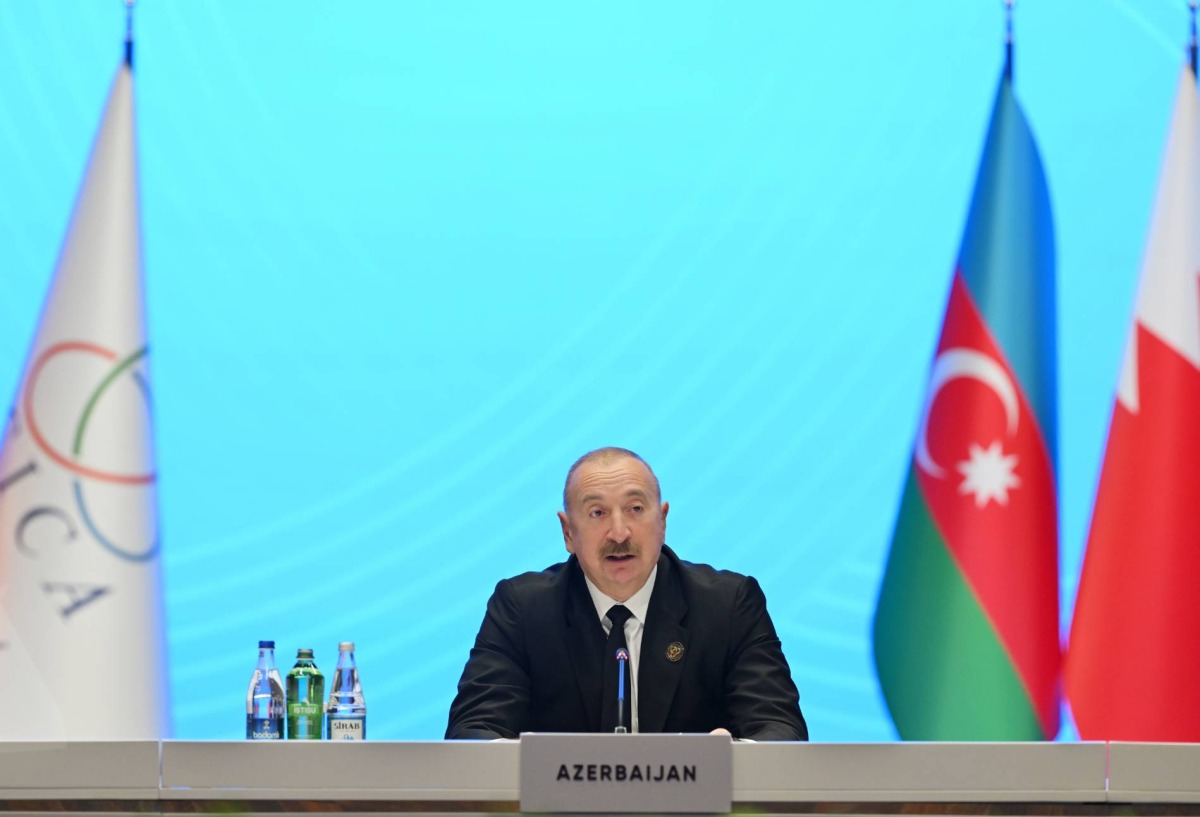
At the previous summit in Gabala, Azerbaijan, President Ilham Aliyev called for stronger defence cooperation among member states.
“It is well understood that development cannot be achieved without ensuring security.
“In a time when the norms and principles of international law are being gravely violated, cooperation among our countries in military and defence-technical fields becomes one of the crucial factors,” he said.
Erdoğan has similarly emphasised the need for greater cooperation in cybersecurity and the defence industry.
But not all members support a broader geopolitical role for the organisation.
Kazakh President Kassym-Jomart Tokayev has rejected the idea of transforming the OTS into a geopolitical bloc.
“For us, strengthening the unity of the Turkic world is a very important and urgent priority. The Organization of Turkic States is not a geopolitical project or a military organisation.
“It is a unique platform that strengthens trade, economic, high-tech, digital and cultural-humanitarian cooperation between fraternal countries,” Tokayev said in May.
Questions also remain over Hungary’s future engagement with the organisation following a change of government earlier this year. Prime Minister Péter Magyar has shifted the country’s foreign policy focus towards the European Union.
Despite differing views on the organisation’s direction, analysts expect the Ankara summit to reinforce cooperation among its members.
Turan Gafarli, a non-resident fellow at Baku’s Topchubashov Center think tank, said the summit would be marked by a growing sense of unity.
“Naturally, this is a long-term process,” he said, adding that the OTS was evolving into a political structure that was “developing the capacity to act in unison in the face of international developments.”
Read more from the Turkic world:










What is your opinion on this topic?
Leave the first comment