Turkic states mull passport-free travel with national ID cards
Turkic states are assessing the feasibility of passport-free travel between countries using national ID cards, Kürşad Zorlu, the Deputy Chair...
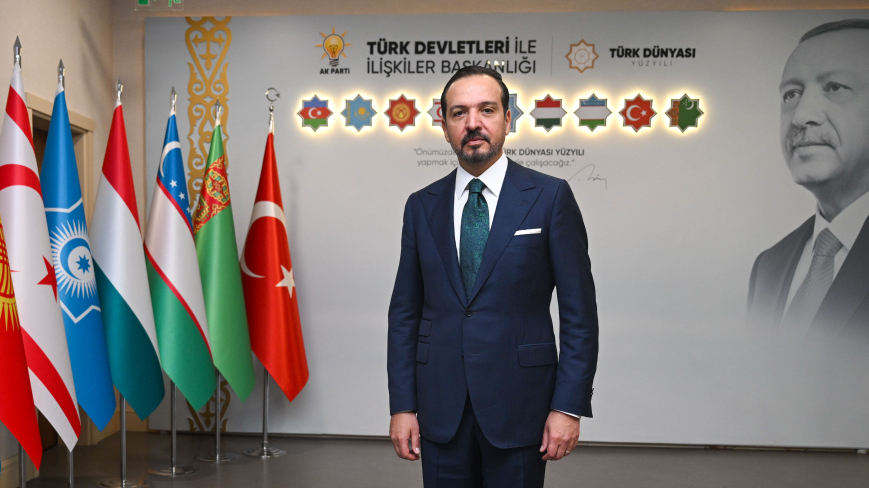
Turkic states are assessing the feasibility of passport-free travel between countries using national ID cards, Kürşad Zorlu, the Deputy Chairman of Türkiye’s ruling AK Party said on Saturday.
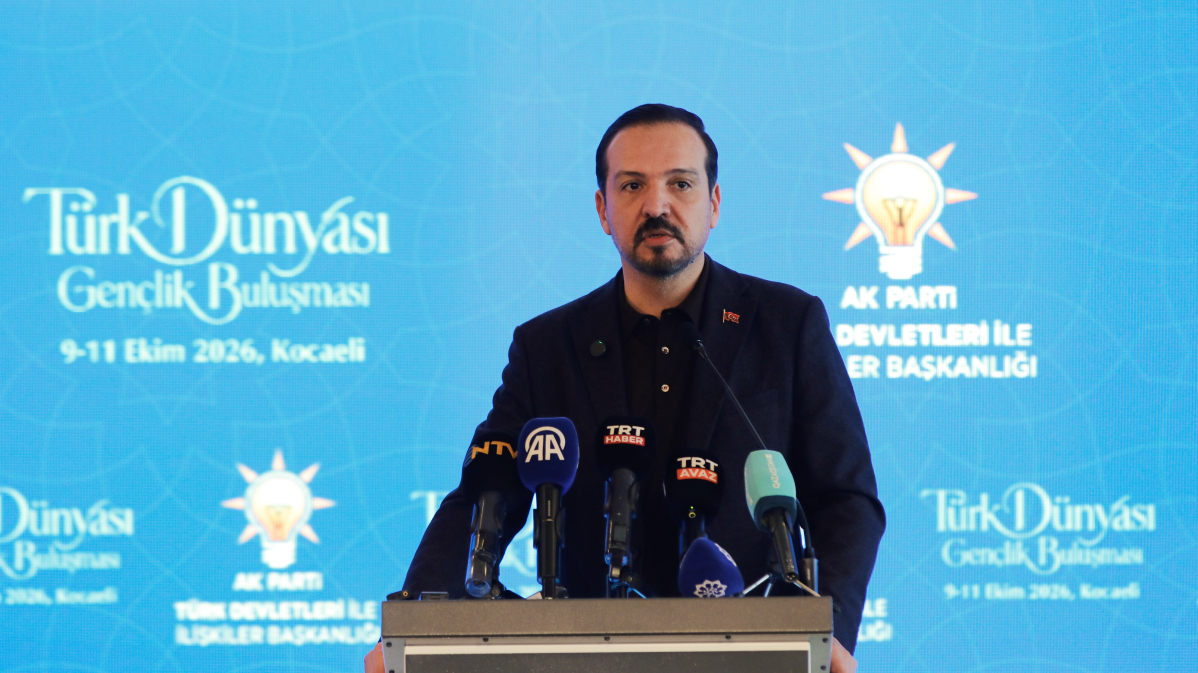
Zorlu, who is also the party’s lead for relations with Turkic States, told the Turkic World Youth Meeting taking place in Kocaeli province, northwestern Türkiye, that countries were trying to prepare the foundations for such an initiative.
“Currently, we travel with our passports. We are trying to lay the groundwork and develop the conditions to see if we can travel with our identity cards,” he said.
The initiative would include the five members of the Organization of Turkic States (OTS): Azerbaijan, Kazakhstan, Kyrgyzstan, Türkiye and Uzbekistan.
Hungary, Turkmenistan and the Turkish Republic of Northern Cyprus, which have observer status within the group, are not understood to be included in the scheme.

Citizens of Türkiye and Azerbaijan can already travel between the two countries passport-free, using biometric identity cards.
Kazakh and Kyrgz citizens can also travel between each other’s countries using just their national identity cards.
Zorlu’s remarks at the conference on Saturday is the latest sign that the initiative remains high on OTS’s list of priorities.
OTS Secretary General Kubanychbek Omuraliev told Azerbaijani press agency APA in September that passport-free travel between countries was “on our agenda.”
In April, Zorlu said that free movement was critical to ensure the economic and social integration of the Turkic world.
The Turkic World Youth Meeting runs until Sunday. It is organised by the OTC, which focuses on fostering economic, political and economic cooperation within Turkic-speaking countries.
Leaders of countries from the Commonwealth of Independent States (CIS) have agreed to hold coordinated population censuses around 2030. They took the decision at the CIS Council of Heads of State meeting in Awaza, Turkmenistan on Friday, media reported.
Britain and Israel have reached a temporary compromise over the future of the British Consulate General in East Jerusalem, easing a diplomatic dispute that had threatened to further strain relations between the two countries.
South African judge Navanethem “Navi” Pillay won the Nobel Peace Prize on Friday “for her efforts to promote peace and international law,” the Norwegian Nobel Committee said.
The Nobel Peace Prize 2026 will be announced on Friday, 9 October, bringing one of the world's most closely watched awards back into focus.
The U.S. has imposed sanctions on the International Criminal Court (ICC) on Friday (9 October) escalating tensions with European allies and potentially targeting companies that provide services to the tribunal. The move came hours after former ICC judge Navi Pillay won the Nobel Peace Prize.
European Union measures suspending import duties on 80 per cent of Armenian exports to the bloc came into effect on Saturday. The temporary liberalisation measures are aimed at supporting Armenian producers and exporters following trade restrictions imposed on the country's products by Russia.
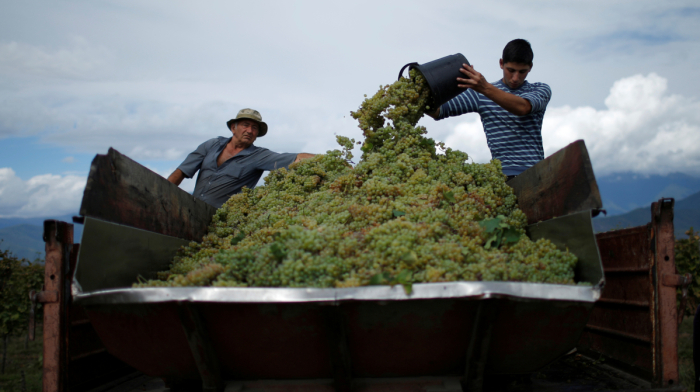
Georgia is enjoying one of its biggest and highest-quality grape harvests since independence. By 6 October, growers in the country's main wine-producing region, Kakheti, had delivered 182,210 tonnes of grapes, with 99 per cent rated medium or high quality, despite recent protests over prices.
Uzbekistan has unveiled plans to deepen economic ties with Central Asia and Azerbaijan, proposing shared artificial intelligence infrastructure, a critical minerals alliance and a regional trade strategy extending to 2035.
Leaders of countries from the Commonwealth of Independent States (CIS) have agreed to hold coordinated population censuses around 2030. They took the decision at the CIS Council of Heads of State meeting in Awaza, Turkmenistan on Friday, media reported.
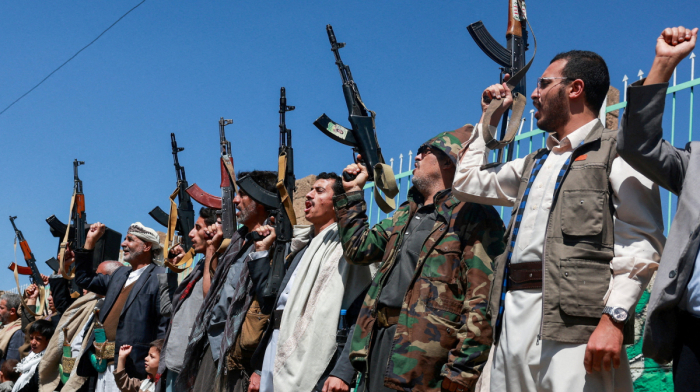
Saudi Arabia has restored its vital East-West oil pipeline to near-full capacity, but escalating Houthi attacks on energy facilities, airports and transport infrastructure are raising fresh concerns over the security of its oil exports.
You can download the AnewZ application from Play Store and the App Store.
What is your opinion on this topic?
Leave the first comment