Crude oil exports from major Middle Eastern producers rebounded in September to their highest level since the U.S.-Israeli war on Iran began in late February, according to data from analytics firm Kpler.
Exports from Saudi Arabia, the United Arab Emirates, Iraq, Oman, Qatar, Kuwait and Iran reached an estimated 16.328 million barrels per day (bpd) this month, supported by stronger Saudi and Emirati shipments.
The rebound followed a recovery in crude exports through the Strait of Hormuz, which were projected to reach about 9.719 million bpd in September.
Saudi Arabia also redirected some crude exports after attacks damaged its East-West pipeline, reducing flows from the Red Sea port of Yanbu.
Despite the recovery, regional crude exports remained about 3.2 million bpd below February levels, when shipments stood at 19.513 million bpd.
Kpler said Middle Eastern crude exports were still running at just under 80 per cent of pre-conflict levels.
Saudi exports more than double
Saudi Arabia, the region’s biggest oil exporter, was on track to ship about 5.4 million bpd in September, sharply higher than 2.446 million bpd in August.
Exports from the kingdom’s Ras Tanura terminal in the Gulf rose to around 3.25 million bpd from 929,000 bpd a month earlier.
However, shipments from the terminal remained well below the 6.411 million bpd recorded in February.
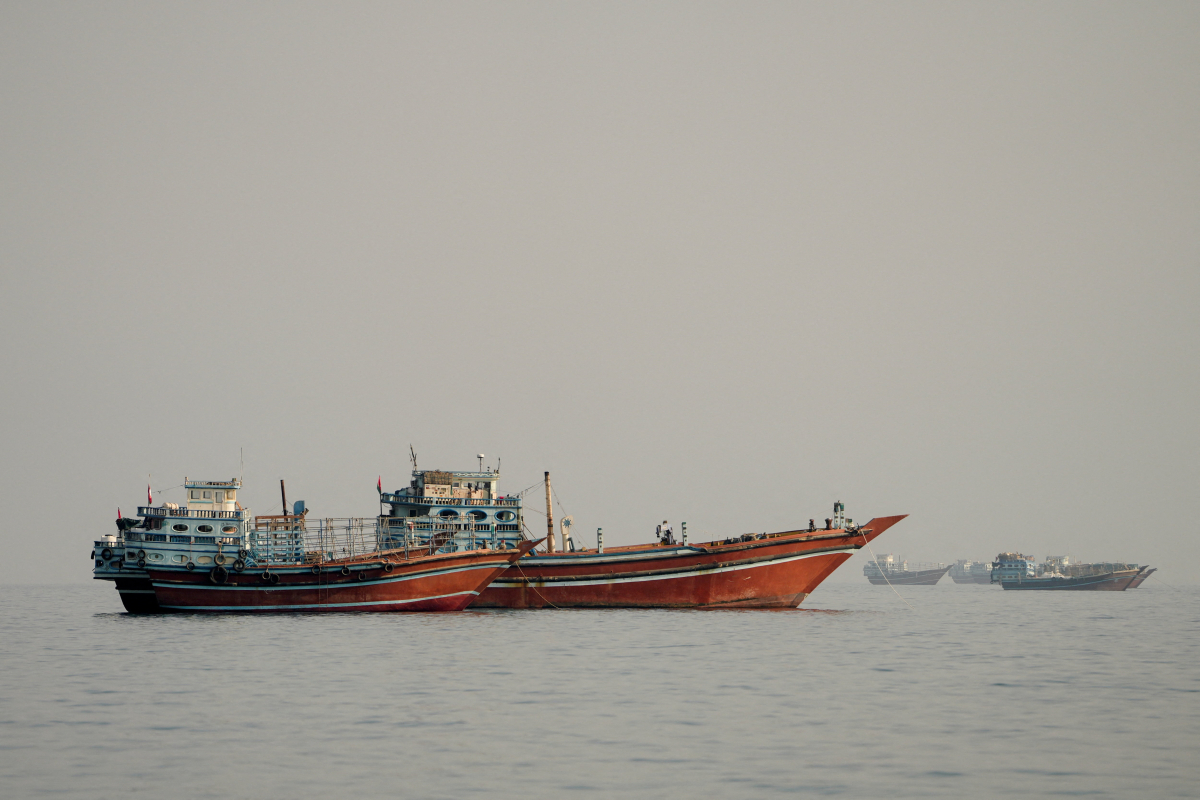
Kpler data also showed that 19 very large crude carriers, each capable of transporting about 2 million barrels of Saudi oil, passed through the Strait of Hormuz last week.
Strait remains key energy route
The figures cover cargoes passing through the Strait of Hormuz, including ship-to-ship transfers in the Gulf of Oman, as well as shipments from terminals in Fujairah, Oman and the Red Sea.
The data does not include vessels that may have crossed the strait with their Automatic Identification System transponders switched off.
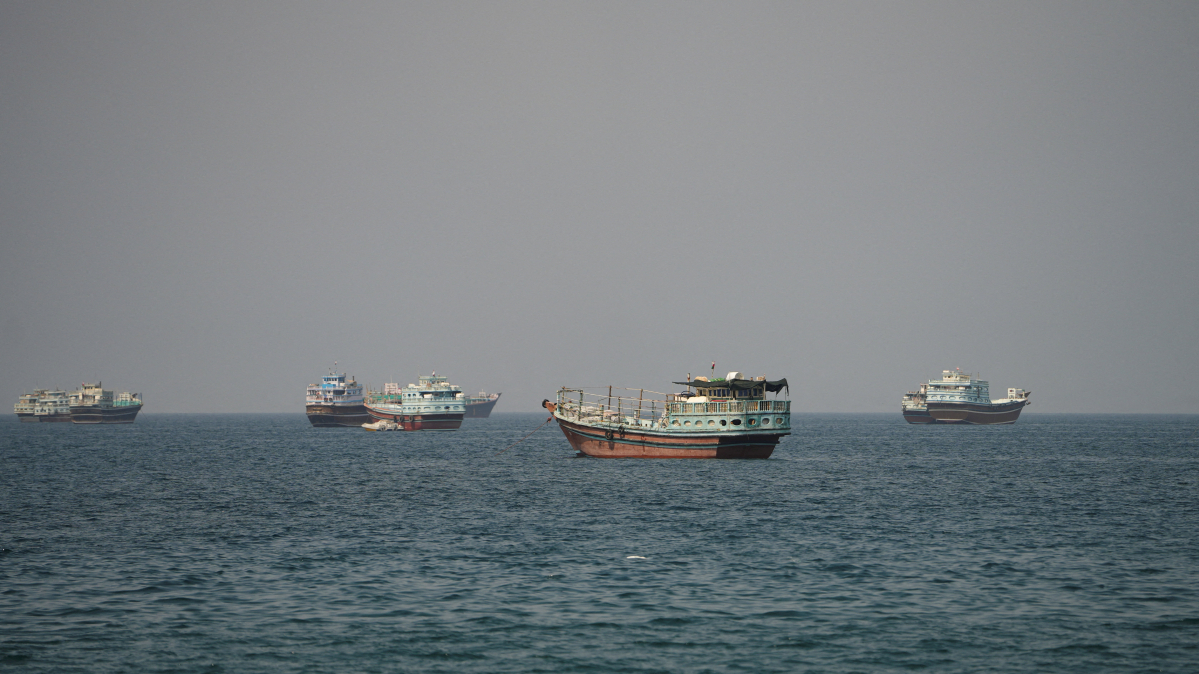
Before the conflict with Iran began on 28 February, the Strait of Hormuz typically handled around 125 large commercial vessels each day.
The waterway accounted for about 20 per cent of global daily crude oil and liquefied natural gas supplies, making it one of the world’s most important energy shipping routes.





















What is your opinion on this topic?
Leave the first comment