Denmark and Greenland have moved to reassure the public that their sovereignty will remain intact under a new security agreement with the United States.
The deal would allow Washington to significantly expand its military presence in Greenland, while preventing U.S. rivals from establishing military bases or making certain sensitive investments on the Arctic island.
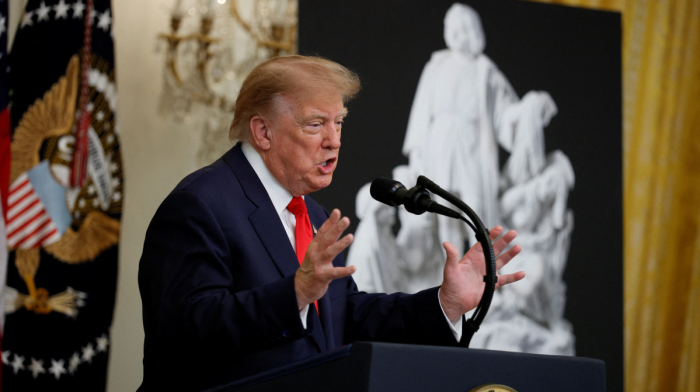
U.S. President Donald Trump described the agreement differently, saying it gives the United States “permanent control” over Greenland’s security.
The three sides are expected to formally sign the agreement during the United Nations General Assembly in New York this week.
What the deal means for Greenland
Greenland is a self-governing territory within the Kingdom of Denmark. It has its own government and parliament, while Copenhagen remains responsible for areas including foreign and security policy.
The exact terms of the new agreement have not yet been made public.
It is therefore unclear how large the expanded U.S. military presence would be, or whether Washington would receive any formal authority over Greenland’s foreign policy or natural resources.
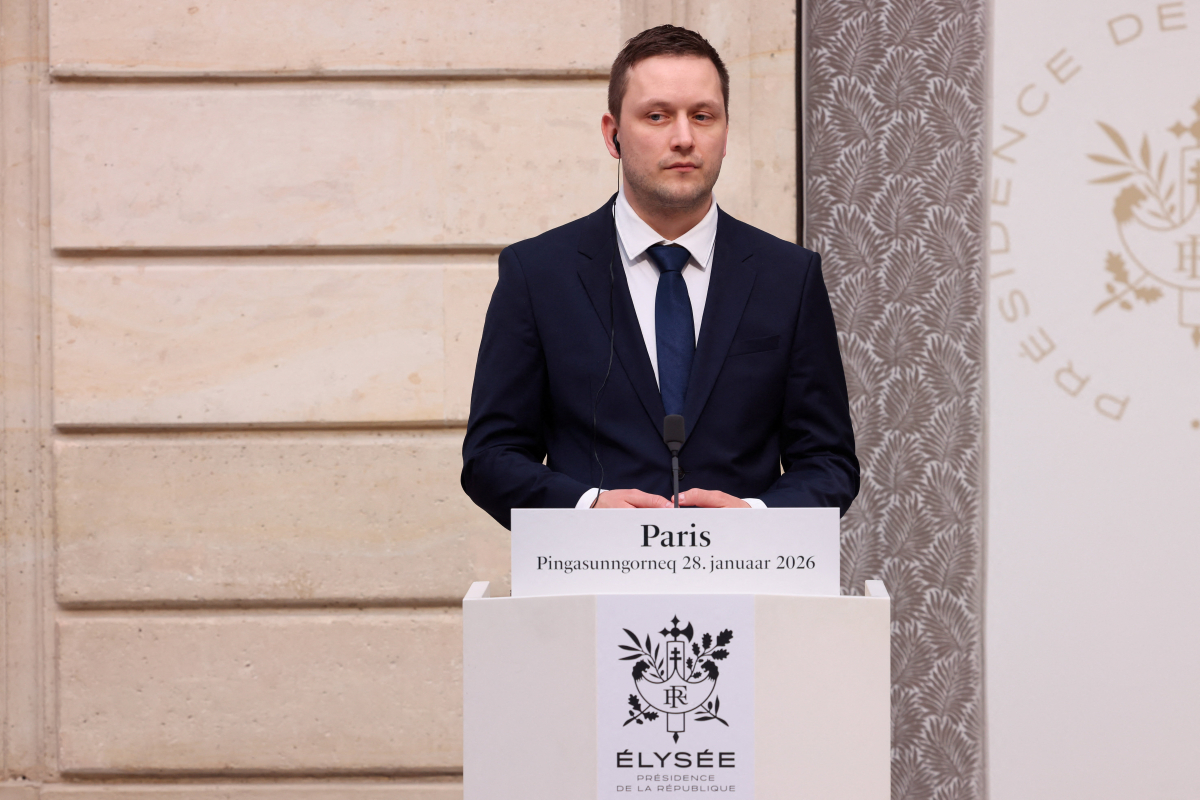
Danish Foreign Minister Lars Lokke Rasmussen said the agreement should strengthen security in the Arctic and North Atlantic while respecting Denmark’s “red lines”.
“A time of uncertainty will hopefully give way to a binding agreement that strengthens security in the Arctic and the North Atlantic,” he said.
He added that it should strengthen shared security within NATO and Europe “while respecting the (Danish) Kingdom’s red lines”.
Greenland insists on self-determination
Greenland’s Prime Minister Jens-Frederik Nielsen also sought to reassure residents.
He said the proposed agreement recognises “the sovereignty and territorial integrity of our Kingdom and the right of the Greenlandic people to self-determination”.
For Greenland, that point is particularly important.
The island has long had a close but complicated relationship with Denmark, and its government has continued to pursue greater autonomy, with independence remaining part of the political debate.
The new agreement does not transfer Greenland to the United States. Instead, it would give Washington a greater security role while keeping the territory within the Danish kingdom.
Trump says U.S. will have permanent security role
Trump has presented the agreement in much broader terms.
Writing on Truth Social, he said the United States would “FOREVER have the complete ability” to take whatever action was necessary to protect Greenland and U.S. security.
He also said the deal would give Washington “permanent control over security” and prevent U.S. adversaries from establishing a military presence or making sensitive investments without American approval.
Those comments have raised questions because the Danish and Greenlandic governments have stressed that sovereignty and self-determination remain unchanged. The full text of the agreement has not yet been released.
From confrontation to negotiation
The agreement follows months of diplomatic tension.
Trump repeatedly pushed for greater U.S. control over Greenland and at one point threatened to take the territory, triggering a sharp response from Denmark and Greenland and creating tensions within NATO.
The new talks were aimed at finding a way to address Washington’s security concerns without changing Greenland’s status.
NATO has welcomed the agreement, saying it could help strengthen “security, stability and cooperation” in the Arctic and North Atlantic.
Why Greenland matters
Greenland sits in a strategically important position between North America and Europe. Its location makes it significant for monitoring the Arctic and North Atlantic, particularly as military and economic competition in the region grows.
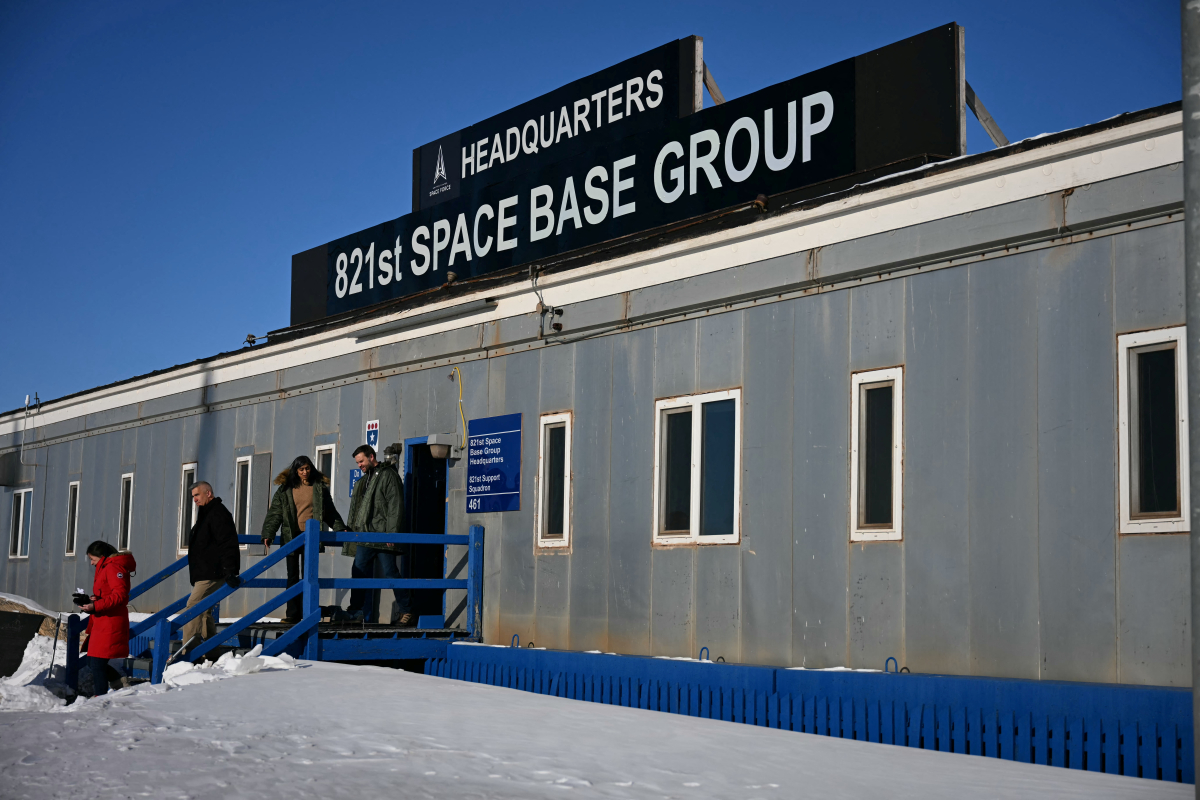
The U.S. already has a military installation at Pituffik Space Base in northern Greenland. The new agreement could pave the way for a larger American military presence.
But the deal also highlights the delicate balance between security and self-determination.
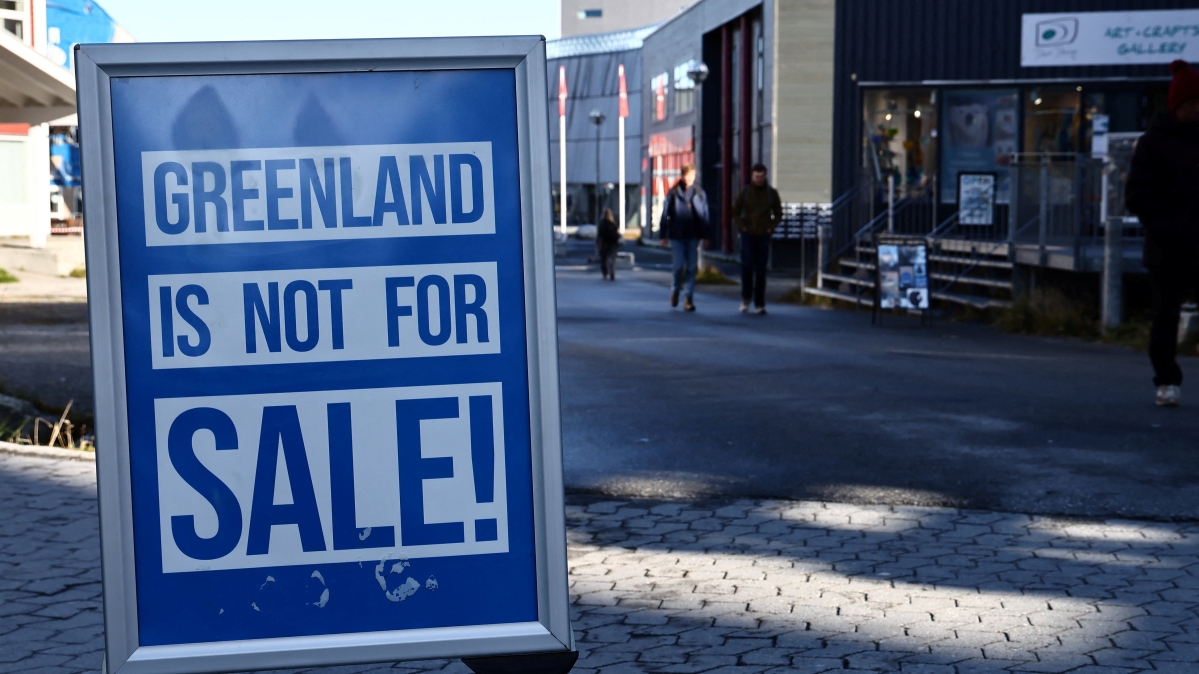
Some people in Greenland remain wary of closer U.S. involvement. In Nuuk, 71-year-old resident Marianne Hansen told Reuters, “Trump should stay far, far, far away from Greenland.”
“He should not expect our children and grandchildren to become Americans in the future,” she said.
For now, the agreement appears to have eased the immediate diplomatic confrontation. But until its full terms are published and the necessary political procedures are completed, questions remain over how far the expanded U.S. role in Greenland will actually go.
Read more:












What is your opinion on this topic?
Leave the first comment