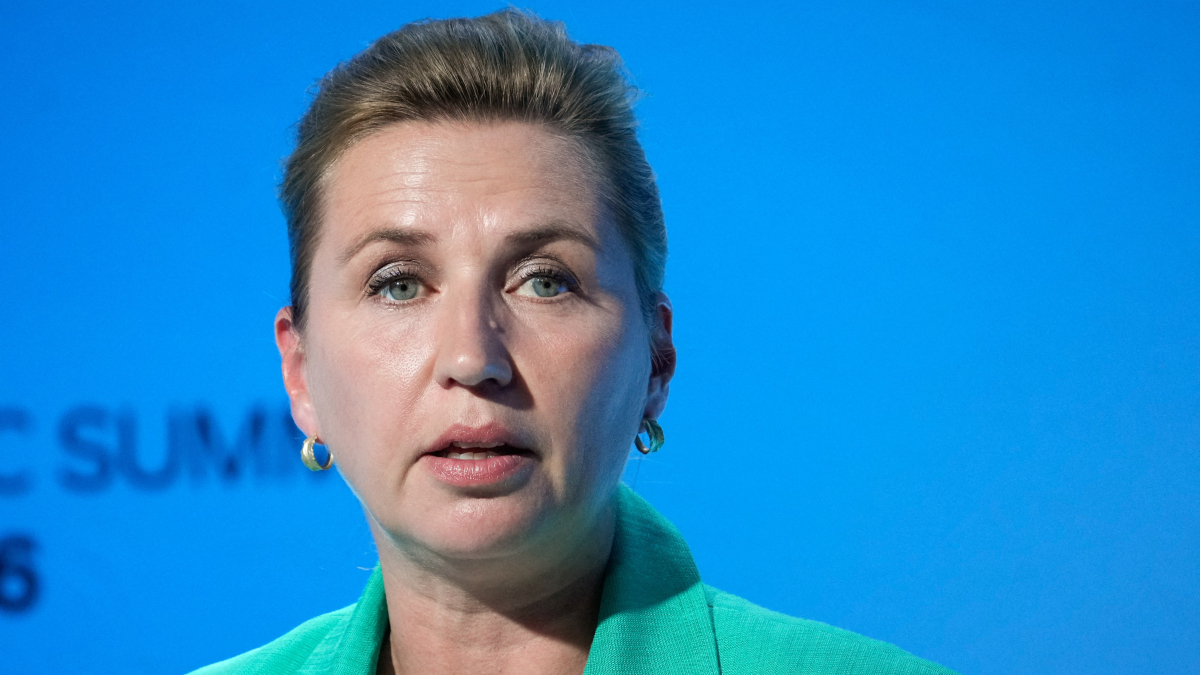
Danish Prime Minister Mette Frederiksen has expressed cautious optimism about ongoing discussions with the United States regarding Greenland, signalling that Copenhagen believes a cooperative solution can be reached despite years of political tensions surrounding the strategic Arctic territory.
Speaking after a gathering of European leaders focused on Arctic security, Frederiksen said it was still too early to assess the outcome of a trilateral working group involving representatives from Denmark, Greenland and the United States.
However, she indicated that recent discussions have produced encouraging signs and suggested the parties are moving towards a constructive path forward.
The talks come after renewed international attention on Greenland, which has become increasingly important due to its location, natural resources and growing strategic value in the Arctic.
Greenland, a self-governing territory within the Kingdom of Denmark occupies a key position between North America and Europe and sits along routes that are becoming increasingly significant as climate change alters access to Arctic waters.
Interest from Washington has remained strong in recent years, driven by security considerations and the region's potential economic and strategic importance.
The issue gained particular prominence after repeated calls from U.S. President Donald Trump for greater American involvement in Greenland, arguing that the island is vital to U.S. national and strategic interests.
Those comments sparked debate both in Denmark and across Europe, where leaders stressed that Greenland's future must be determined by its people.
Despite the public attention surrounding the issue, much of the recent diplomatic work has happened behind closed doors.
A working group involving officials from Denmark, Greenland and the United States was formed following high-level discussions in Washington earlier this year.
The meetings brought together senior representatives from all three sides to explore avenues for future cooperation.
While details of the discussions have remained largely confidential, the group has been examining ways to expand cooperation in areas such as security, defence and Arctic development.
Frederiksen's latest remarks suggest that negotiations remain active and that all parties continue to engage through diplomatic channels rather than public confrontation.
Security cooperation a growing priority
Denmark has consistently argued that closer cooperation with the United States should focus on security and defence, particularly in the Arctic.
The region has become increasingly important for NATO and Western governments as melting sea ice creates new maritime routes and heightens strategic competition among major powers.
Frederiksen noted that Greenland has faced growing international attention and pressure in recent years. Against that backdrop, she welcomed what she described as strong support from European partners for Denmark's position.
The Danish leader also highlighted the increasing involvement of allied countries in Arctic security initiatives, reflecting a broader recognition that developments in the Far North have implications far beyond the region itself.
Arctic takes a larger role in European strategy
According to Frederiksen, the Arctic now occupies a far more prominent place in both European Union and NATO planning than it did when she first entered office.
European governments have increasingly viewed Arctic security as an issue linked to energy supplies, supply chains, climate change and military preparedness.
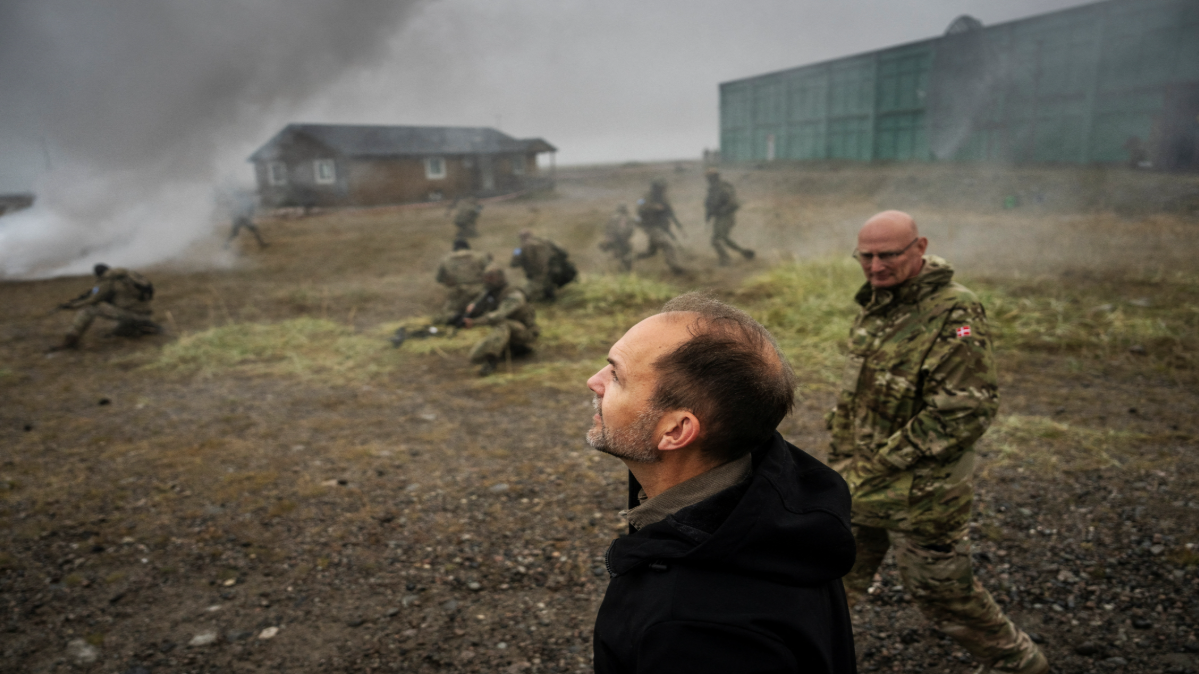
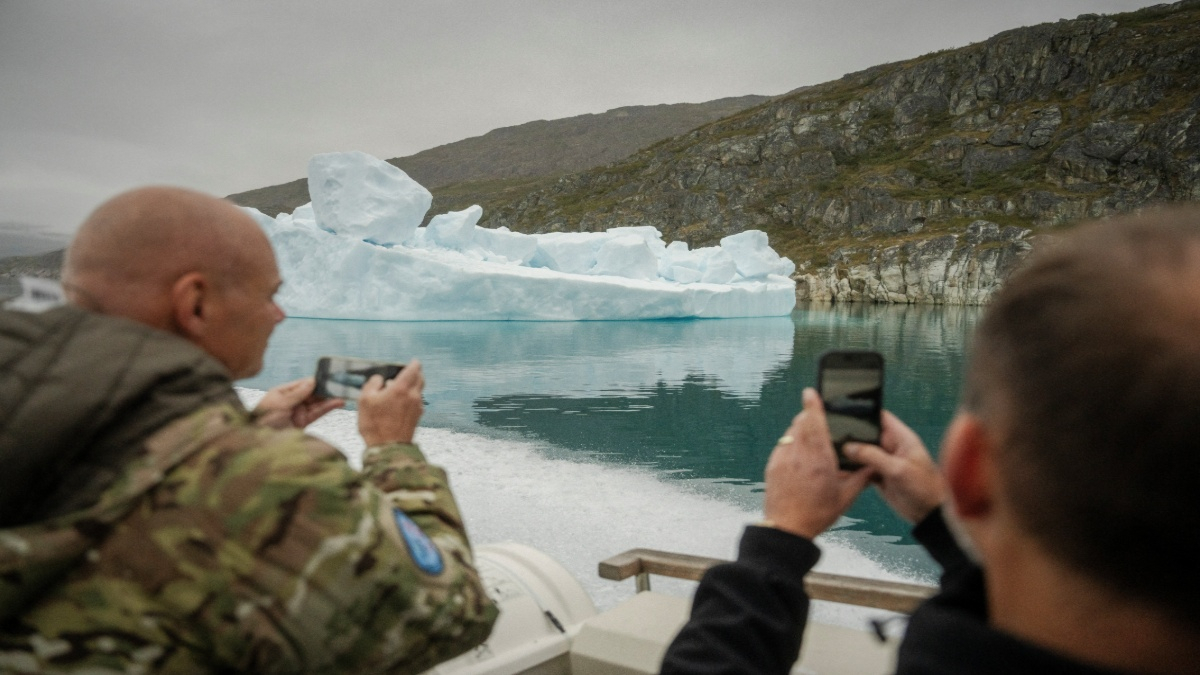
The presence of multiple NATO members conducting exercises in Greenland underscores how the island has become a key element of the alliance's northern security strategy.
Analysts say the changing security environment has encouraged closer coordination between North American and European allies, particularly as concerns grow over geopolitical competition in the Arctic.
Searching for a long-term framework
While major questions regarding Greenland's future relationship with international partners remain unresolved, officials in Copenhagen appear determined to keep discussions focused on cooperation rather than confrontation.
Frederiksen's comments suggest Denmark sees opportunities to deepen transatlantic ties while maintaining Greenland's existing political framework and respecting the territory's autonomy.
For now, negotiations continue behind the scenes, with all sides looking for arrangements that can strengthen security and economic cooperation in one of the world's most strategically important regions.












What is your opinion on this topic?
Leave the first comment