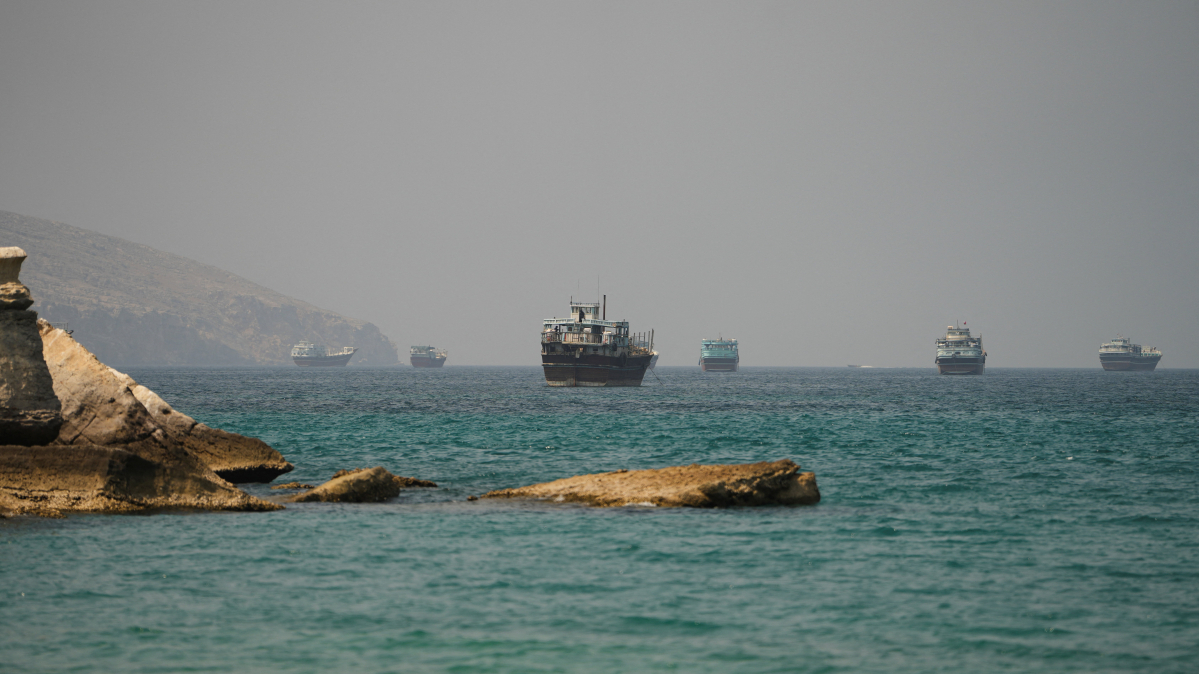
The Strait of Hormuz is moving into a more complicated stage of the U.S.-Iran war. Tehran says it will establish a new restricted maritime zone around the waterway, while Iran and Oman are preparing to formalise a separate shipping route intended to restore at least part of commercial traffic.
The immediate issue is whether ships can move again. The larger dispute is already taking shape around another question: who will set the conditions for those ships to move?
Iranian state media reported that the zone would extend into parts of the Persian Gulf and that vessels entering it without coordination with Iran could face sanctions.
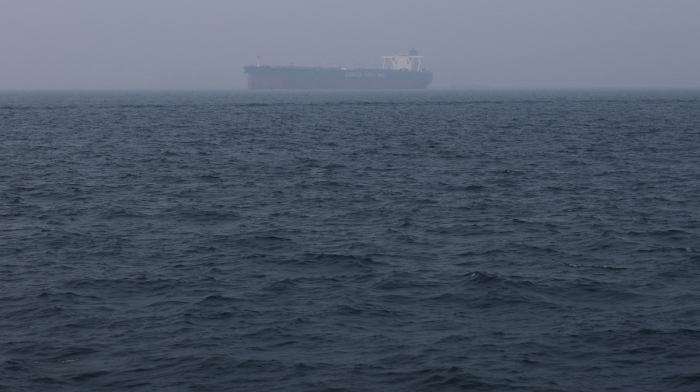
The announcement about the new route comes after another sharp escalation at sea. U.S. forces have struck Iranian oil tankers, while Iran has targeted vessels it considers unauthorised as well as U.S.-linked.
Tehran now plans to establish a restricted maritime zone extending from the perimeter of the U.S. naval blockade deeper into Gulf waters. To operationalise passage, Iranian and Omani officials are completing a formal agreement on an 11.3-kilometer-wide shipping corridor. Because the route's entry and primary exit points run directly through Iranian territorial waters, practical oversight remains squarely under Tehran’s authority.
The two governments also referred to information sharing, traffic management and navigation and security services. Iran and Oman said they would discuss the future administration of the Strait, while also holding consultations with other Gulf states bordering its waters. They stressed the need to respect international law and the sovereign rights of coastal states.
A fine diplomatic line for Oman
Oman is also walking a diplomatic tightrope by framing the proposed corridor as a temporary fix to restore shipping without handing Tehran permanent dominance over the Strait.
By maintaining active channels with both Washington and Tehran, Muscat is trying to prevent the route from being seen as an Iranian-controlled checkpoint while pushing for a long-term solution that includes all regional partners.
Gulf Countries are also following updates. The UAE has repeatedly called for uninterrupted international navigation through the Strait of Hormuz. Abu Dhabi again condemned attacks on commercial shipping and stressed freedom of navigation. There is no public indication that the UAE has accepted a system requiring ships to coordinate with an Iran-Oman mechanism before entering Hormuz.
At the same time, Qatar has taken a similar position. On September 4, Doha told the United Nations that Iran's attacks and disruption of navigation could not be justified under international law. Qatar reaffirmed freedom of navigation through the Strait, when Kuwait has called for the full and unconditional reopening of Hormuz.
Alternative routes for some Gulf countries
Meanwhile, shipping companies are already adapting. Liquified Natural Gas (LNG) cargoes from Qatar and the UAE have been transferred between ships outside Hormuz, while daily commercial traffic through the Strait has fallen sharply.
The immediate challenge is reopening the route. The bigger question is what rules will govern it once ships return. The answer will depend on whether Iran, Oman and the other Gulf states can agree on who controls access and how freedom of navigation is protected.
Read more:

















What is your opinion on this topic?
Leave the first comment