Iran and Oman discussed a phased plan for a temporary shipping corridor through the Strait of Hormuz during the Omani foreign minister’s visit to Tehran on Tuesday, as tensions remain high between Iran and the U.S. over the strategic waterway.
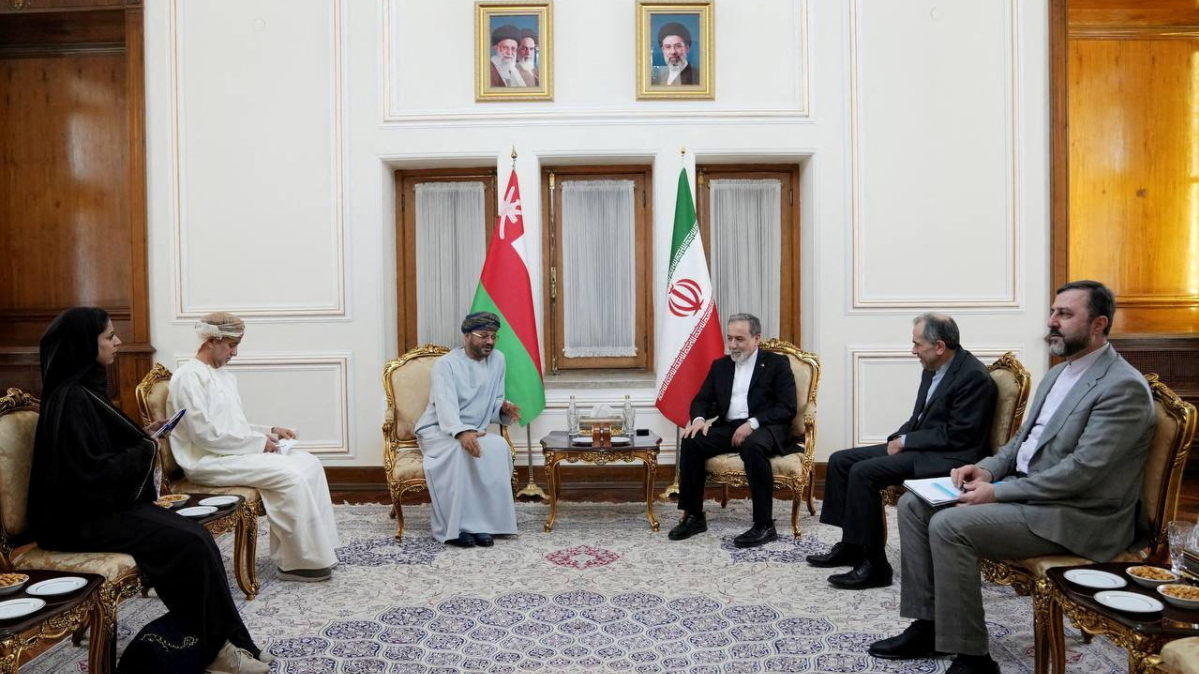
Iranian Foreign Minister Abbas Araghchi and his Omani counterpart, Badr al-Busaidi, met in Tehran and exchanged views on a phased framework that includes establishing a temporary joint shipping corridor through the Strait of Hormuz, according to an Iranian Foreign Ministry statement.
The ministry said the two sides also agreed to implement a joint project to clear mines from the waterway, which links the Persian Gulf with the Gulf of Oman.
“Technical negotiations between the two sides would continue with a view to agreeing on a permanent navigational corridor and future administration of the Strait, as well as a mechanism for information-sharing, traffic management, and the provision of relevant navigational and security services,” read the statement.
Following the joint Israel-U.S. war against Iran, Tehran targeted U.S. bases in the region and shut the Strait of Hormuz. The U.S. also blocked Iran’s southern ports in the Persian Gulf and the Gulf of Oman.
A fragile ceasefire deal signed by the presidents of Iran and the U.S. in June collapsed after little more than a week following repeated violations of its terms.
Stalled peace efforts
Meanwhile, tensions remain high despite stalled mediation efforts by countries in the region.
In a post on X following separate meetings with his Omani counterpart and Pakistani Army Chief Asim Munir in Tehran, Araghchi said Iran’s “commitment to peace and stability is matched by steadfast diplomacy with its neighbors”.
“In talks with Pakistani and Omani guests, regional solutions were stressed. The proposed framework for establishing a new corridor, joint mine clearance, and the future management of the Strait of Hormuz is a clear example of this approach.”
Araghchi also held separate phone calls with Field Marshal Munir and the Qatari foreign minister on Tuesday. According to Iran’s state-run IRNA news agency, the discussions “focused on latest regional developments and joint efforts to establish peace and security in the region”.
Trade tensions intensify
The diplomatic activity in Tehran early this week came as Washington announced increased sanctions in the wake of the joint Israel-U.S. war against Iran.
Iranian Foreign Ministry spokesman Esmaeil Baghaei condemned the move, describing the U.S. economic campaign against Iran as an attack on the national sovereignty of all countries and an assault on the right of nations to self-determination.
“America announced that Iran’s Economic D-Day has arrived. Those who prefer to appear as unconditional obedient followers of this illegal action may say: ‘This is fine.’ But hold on. It is absolutely not fine!,” he wrote in a post on X.
According to the Iranian official, no government that values its sovereignty and national interests would accept the normalisation of what he described as “egregious lawlessness and systemic bullying”.
Baghaei singled out Canada, suggesting it had been “learning lessons” from the U.S. trade campaign.
“Canada, of course, is among the countries that are gradually learning the reality (American bullying under the guise of negotiation)” Baghaei added.
Read more from Iran:
















What is your opinion on this topic?
Leave the first comment