The United States has launched what it describes as its most aggressive sanctions campaign yet against Iran, expanding secondary sanctions and targeting sectors ranging from shipping and aviation to technology and finance.
Tehran has responded with warnings that any attempt to further strangle its economy will be met with retaliation.
The question now is not whether Iran will respond, but how.
1. Tightening Pressure in the Strait of Hormuz
The most immediate and impactful option remains the Strait of Hormuz.
Even before the latest sanctions announcement, shipping through the waterway had been severely disrupted by months of conflict, threats and attacks. The strait has historically handled a significant share of global oil and gas exports, making it one of the world's most strategically important maritime chokepoints.
Iranian officials have repeatedly warned that if economic warfare continues, oil exports from the Gulf could be further restricted.
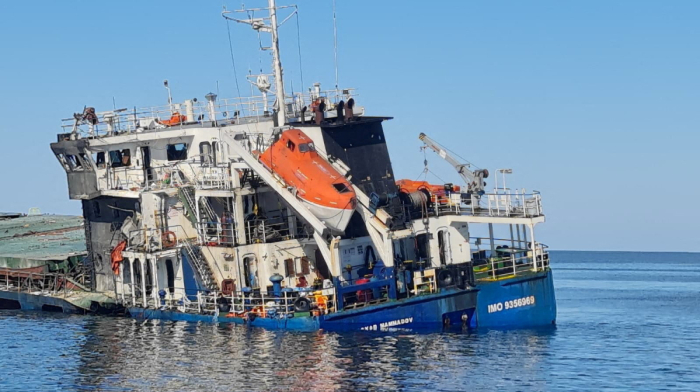
Rather than formally closing the strait, Tehran could continue using inspections, blacklist measures, drone surveillance, missile threats and attacks on selected vessels to raise shipping risks and insurance costs. Such tactics would allow Iran to increase pressure without crossing the political threshold of announcing a complete shutdown.
For energy markets, even limited disruption could have outsized consequences. Traders generally react not only to actual supply losses but also to the risk that supply might be interrupted.
2. Targeting energy infrastructure in the Gulf
Another option would be expanding attacks against energy facilities in neighbouring Gulf states.
Iran views regional energy infrastructure as a pressure point because damage to oil and gas production can quickly affect global prices and create political pressure on governments aligned with Washington.
Previous confrontations have demonstrated how vulnerable oil terminals, pipelines, storage facilities and export hubs can be to missiles and drones. Beyond oil facilities, Gulf desalination plants and electricity infrastructure could also become potential targets.
Such facilities are critical to daily life across the region and disruptions could have immediate economic consequences.
However, this path carries risks for Tehran because it could provoke a stronger military response from regional states or the United States.
3. Expanding cyber operations
Cyber warfare may be the most attractive escalation tool available to Iran.
Recent assessments from the Centre for Strategic and International Studies (CSIS) indicate that Iranian cyber operations have become increasingly aligned with broader military and political objectives since the outbreak of the current conflict.
Researchers note a rise in cyber activity targeting infrastructure, government institutions and private sector networks.
Recent incidents involving water facilities in multiple U.S. states have intensified concerns over Iran's cyber capabilities, although attribution remains contested in some cases. Cyber operations offer Tehran several advantages: they are relatively low-cost, can be difficult to attribute conclusively and allow Iran to project power far beyond its borders.
U.S. cybersecurity agencies and private sector analysts have also warned about Iranian interest in industrial control systems used in utilities, transportation networks and other critical infrastructure.
Unlike attacks on shipping or oil facilities, cyber operations can be scaled up or down quickly, making them an appealing tool for calibrated escalation.
4. Using the "Grey Zone"
Historically, Iran has preferred operating in what strategists call the "grey zone" between peace and war.
The Washington Institute describes this approach as one based on ambiguity, patience and indirect pressure. Rather than relying on conventional military force, Tehran often favours methods that create uncertainty for adversaries while reducing the risk of a direct military confrontation.
That could include harassment of ships, information campaigns, cyber operations, economic pressure, intelligence activities or actions carried out through aligned groups and networks.
The underlying logic is simple: impose steady costs while avoiding a conflict that could endanger the regime itself.
5. Leveraging regional networks
For decades, Iran relied heavily on a network of allied groups across the Middle East. While several studies suggest those networks have been weakened by years of conflict and sanctions pressure, they have not disappeared entirely.
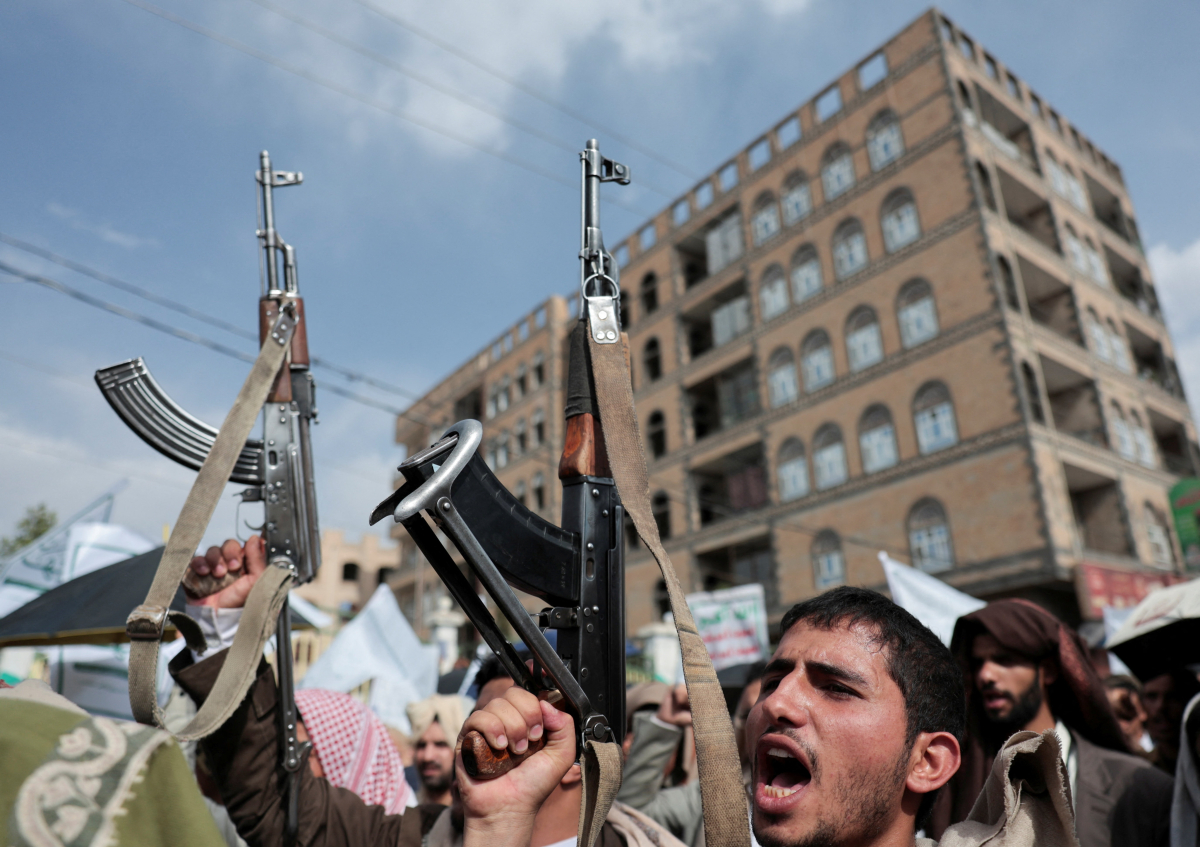
The Houthis in Yemen remain a significant factor because of their ability to threaten shipping routes in and around the Red Sea. Any renewed maritime disruption around Bab el-Mandeb would compound pressures already affecting Hormuz and increase stress on global trade routes.
A strategy of attrition
Despite the rhetoric on both sides, Iran's most likely approach may not be one dramatic move but a collection of smaller actions designed to raise costs gradually.
Research from U.S. government and policy institutions suggests Tehran increasingly sees itself engaged in a war of attrition: surviving economically while convincing Washington that sustained pressure carries its own price.
That means shipping disruptions, cyberattacks, pressure on energy infrastructure and other grey-zone activities remain more probable than a direct military clash.
The danger for both sides is that even limited escalation can create unintended consequences. With sanctions tightening and diplomacy stalled, the room for miscalculation is growing, leaving the Gulf once again at the centre of a high-stakes confrontation with global implications



















What is your opinion on this topic?
Leave the first comment