Australia and the United States have announced a combined $580 million funding package for Pacific Island nations as both allies seek to strengthen their influence in a region where China has expanded its presence in recent years.
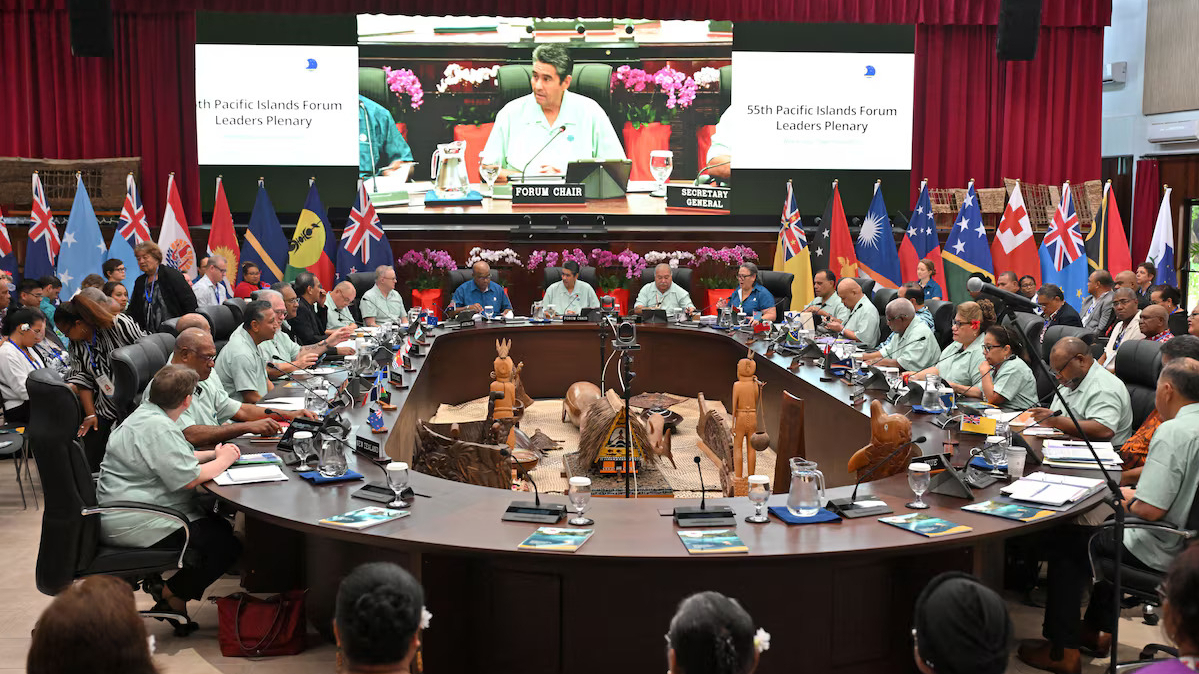
The announcement was made during this year’s Pacific Islands Forum in Palau, where officials discussed regional security, economic challenges and growing competition among major powers.
U.S. renews Pacific engagement with $150 million pledge
The United States will provide $150 million in funding, marking one of the most significant public signals from the Trump administration that Washington remains committed to the Pacific region.
The announcement comes after the administration dismantled the U.S. Agency for International Development (USAID) last year, raising concerns among regional partners over Washington’s long-term engagement.
U.S. Deputy Secretary of State Christopher Landau announced the funding at the forum, saying the investment would support Pacific countries facing economic and security challenges.
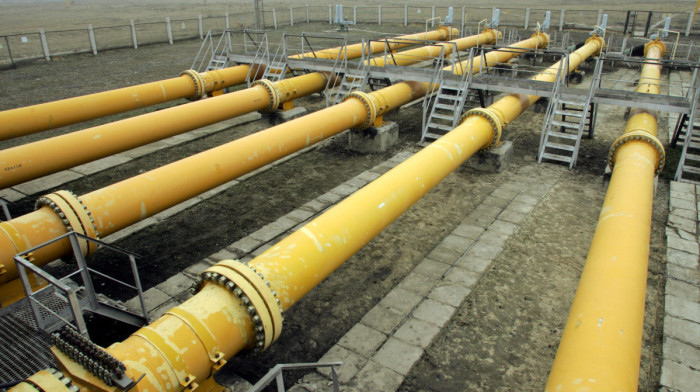
The package includes $60 million aimed at addressing energy security concerns by expanding fuel storage capacity and improving electricity grid stability.
China’s growing influence drives renewed focus
The new funding comes as China continues to expand its influence across the Pacific through infrastructure projects, financial assistance and diplomatic partnerships.
Beijing has increased engagement with several island nations, including providing a presidential building complex to Vanuatu, signing a comprehensive strategic partnership with the Solomon Islands that includes policing cooperation, and developing closer ties with the Cook Islands.
“Chinese measures in the region are a forcing function for the U.S. to understand to be more deliberate in their engagement,” said Jared Mondschein, director of research at the United States Studies Centre.
Pacific nations have also faced increased pressure from rising energy costs and economic disruptions.
Oliver Nobetau, director of the Pacific Islands Program at the Lowy Institute, said the Iran war had worsened energy security concerns in the region.
The consequences included “slowing economies, prioritisation of essential services, all against the backdrop of a super El Niño”, he said, adding that support from international partners was needed.
Australia targets organised crime and drug smuggling
Australia announced a larger contribution of A$600 million ($430 million) focused on combating drug smuggling and organised crime across the Pacific.
The funding will support expanded aerial surveillance, as well as increased training for police and border security officials.
“Australia’s interests are deeply connected to those of our Pacific partners. The Pacific is our home and our family,” Prime Minister Anthony Albanese said.
He added that cooperation was essential to counter organised crime networks operating across the region.
Taiwan dispute overshadows Pacific Islands Forum
This year’s Pacific Islands Forum has also been dominated by tensions over Taiwan’s participation.
China, which considers Taiwan part of its territory, has opposed the self-governed island’s involvement in the annual gathering of the 18-member regional bloc.
Australia and New Zealand said on Tuesday that the forum itself would determine the guest list.
Palau, which is hosting this year’s meeting, is among three Pacific nations that maintain official diplomatic relations with Taiwan.
The forum began on 30 August and will continue until 4 September, with regional leaders expected to discuss security, climate challenges and economic cooperation.












What is your opinion on this topic?
Leave the first comment