A glacial collapse that triggered catastrophic flooding along the Nepal-Tibet border on Wednesday has killed at least 270 people, with more than 1,000 still missing. Here are some of the most devastating glacier-related disasters recorded around the world:
1941 - Huaraz, Peru
Around 5,000 people were killed when a glacial lake above Huaraz burst, sending water and debris into the Andean city.
The catastrophe became an early example of the risks posed by glacial lakes in Peru, which contains the largest concentration of tropical glaciers in the world.
1962 - Ranrahirca, Peru
Mount Huascarán was again the source of disaster two decades later when millions of cubic metres of ice and rock broke loose and swept towards communities below.
Around 4,000 people were killed, with Ranrahirca among the settlements buried by the avalanche.
1970 - Yungay, Peru
Eight years later, Huascarán produced an even greater catastrophe.
A powerful earthquake triggered an enormous avalanche that overwhelmed Yungay and surrounding communities within minutes, killing an estimated 25,000 people.
The disaster remains the deadliest known glacier-related catastrophe and contributed to a wider earthquake death toll exceeding 50,000.
1981 - Cirenma Co, Tibet-Nepal
A glacier collapse into Cirenma Co near the Nepal border displaced enough water to overwhelm the lake’s natural barrier.
The resulting flood travelled downstream into Nepal, killing around 200 people and destroying infrastructure, including bridges and a hydropower facility.
2021 - Chamoli, India
More than 200 people were killed when a rock-and-ice avalanche in Uttarakhand transformed into a fast-moving torrent through Himalayan valleys.
The disaster drew particular attention to the vulnerability of hydropower infrastructure in high-altitude regions, with two projects swept away or severely damaged.
2026 - Nepal-Tibet border
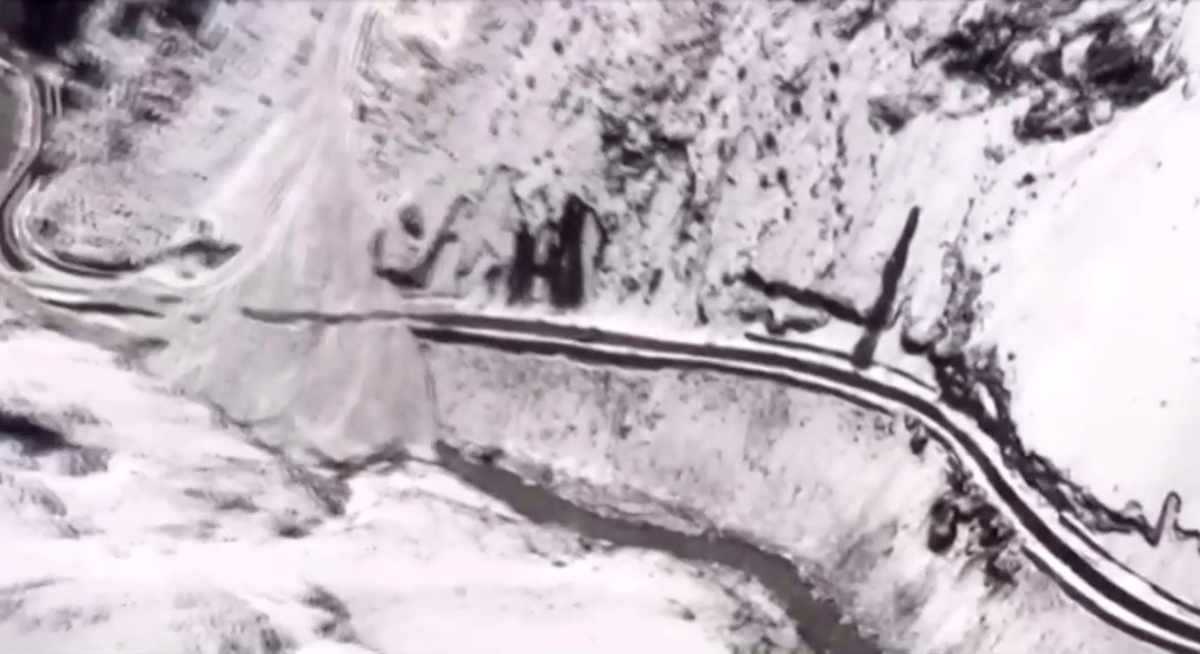
The latest disaster struck on Wednesday after part of a Himalayan glacier collapsed, sending ice, rock, mud and water through communities on both sides of the border.
Hundreds of people have been killed and more than 1,000 remain missing.
Experts are investigating what triggered the collapse. While unusually warm conditions preceded the disaster, scientists have cautioned that the respective roles of warming, geological instability and other factors have yet to be fully established.
The catastrophe has renewed concerns about the growing risks facing Himalayan communities as rising temperatures alter glaciers and high-mountain environments.
Read more:




















What is your opinion on this topic?
Leave the first comment