The Trump administration has announced plans to revoke the temporary visitor visas of foreign nationals who entered the United States on tourist or business visas and later sought asylum, marking the latest expansion of Washington's immigration enforcement policies.
The move targets holders of B1 and B2 visas, which are issued for short-term business and tourism travel. U.S. officials argue that the visas were intended for temporary visits and should not be used as a pathway to long-term residence through the asylum system.
According to the State Department, officials are working with the Department of Homeland Security to identify foreign nationals who entered the country as visitors and subsequently applied for asylum. Once identified, their non-immigrant visa status could be cancelled.
Potentially far-reaching impact
The administration has not disclosed how many people could be affected by the measure. However, reports citing U.S. government documents and officials suggest the number could reach as many as 200,000 individuals.
If implemented on that scale, it would represent one of the largest visa revocation actions in U.S. history.
The proposed policy would reportedly apply to B1 and B2 visas issued over the past decade, covering individuals who either currently have asylum claims pending or have previously sought asylum after entering the country.
Officials have indicated that the revocations would not automatically lead to immediate deportation. Instead, many affected individuals would lose their status as temporary visitors while their asylum cases continue through the immigration system.
A broader immigration crackdown
The initiative is the latest step in President Donald Trump's broader effort to tighten immigration controls.
Since returning to office, Trump has pursued a series of measures aimed at reducing both illegal and legal pathways to immigration. His administration has expanded visa reviews, increased deportation efforts and implemented stricter rules for a range of immigration programs.
Administration officials argue that the asylum system has been overwhelmed by claims that lack merit and say tighter enforcement is necessary to protect the integrity of U.S. immigration laws.
Deputy Secretary of State Christopher Landau recently argued that the system has long been burdened by what he described as frivolous asylum applications, reflecting concerns within the administration that some migrants are using visitor visas as an alternative route to remain in the country.
Earlier this month, the State Department said more than 175,000 visas had already been revoked under the current administration as part of broader immigration and security reviews.
Supporters and critics are divided
Supporters of the administration's approach say the policy is designed to ensure that visitor visas are used for their intended purpose and to discourage abuse of the asylum process.
They argue that individuals should not enter the United States under one category while intending to remain permanently under another.
Critics, however, contend that the move could create additional uncertainty for asylum applicants and further complicate an already strained immigration system.
Civil rights and immigrant advocacy organisations have criticised many of the administration's recent immigration measures, arguing that some policies undermine due process protections and create fear among immigrant communities.
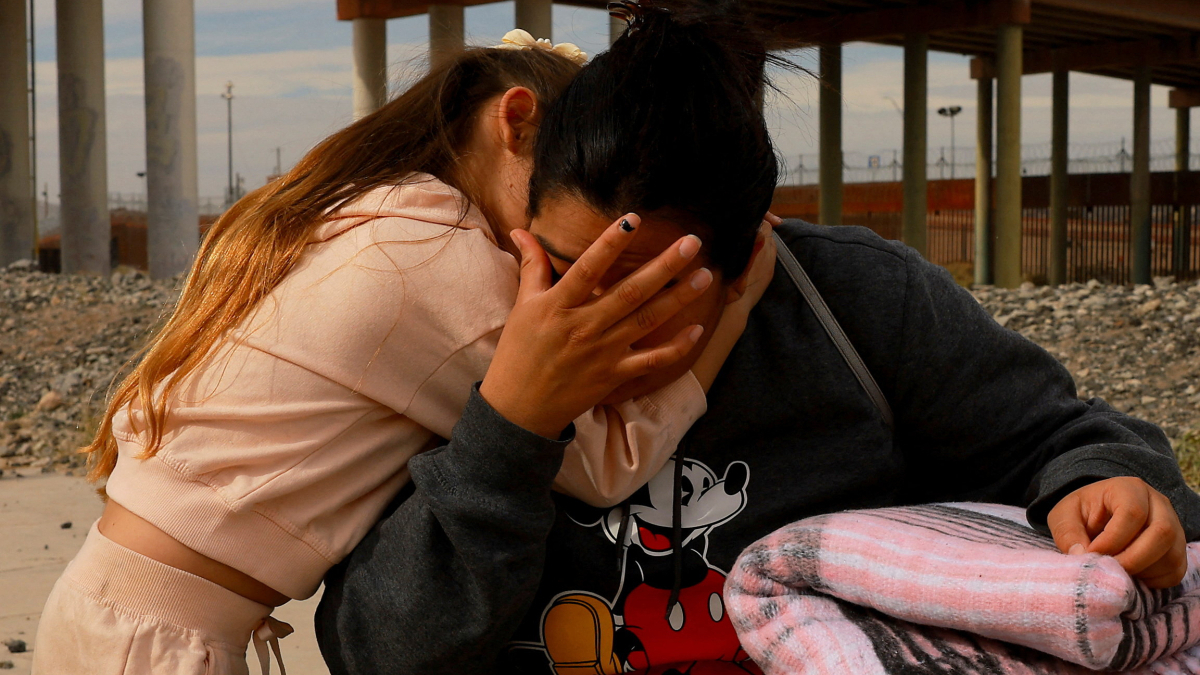
Advocates have also raised concerns about the potential impact on vulnerable individuals who may have fled persecution and later sought protection in the United States through legal asylum procedures.
Legal challenges likely
The administration's wider immigration agenda has already faced a series of court challenges, and the latest policy could generate additional legal scrutiny.
While immigration experts note that the government has broad authority over visa issuance and revocation, questions may arise over how the policy is implemented and whether affected individuals are provided adequate notice and legal protections.
The announcement also highlights a broader shift in U.S. immigration policy. Although Trump's 2024 campaign focused heavily on combating illegal immigration, his administration has increasingly introduced measures affecting legal immigration channels as well, including new fees and stricter requirements for certain visa categories.















What is your opinion on this topic?
Leave the first comment