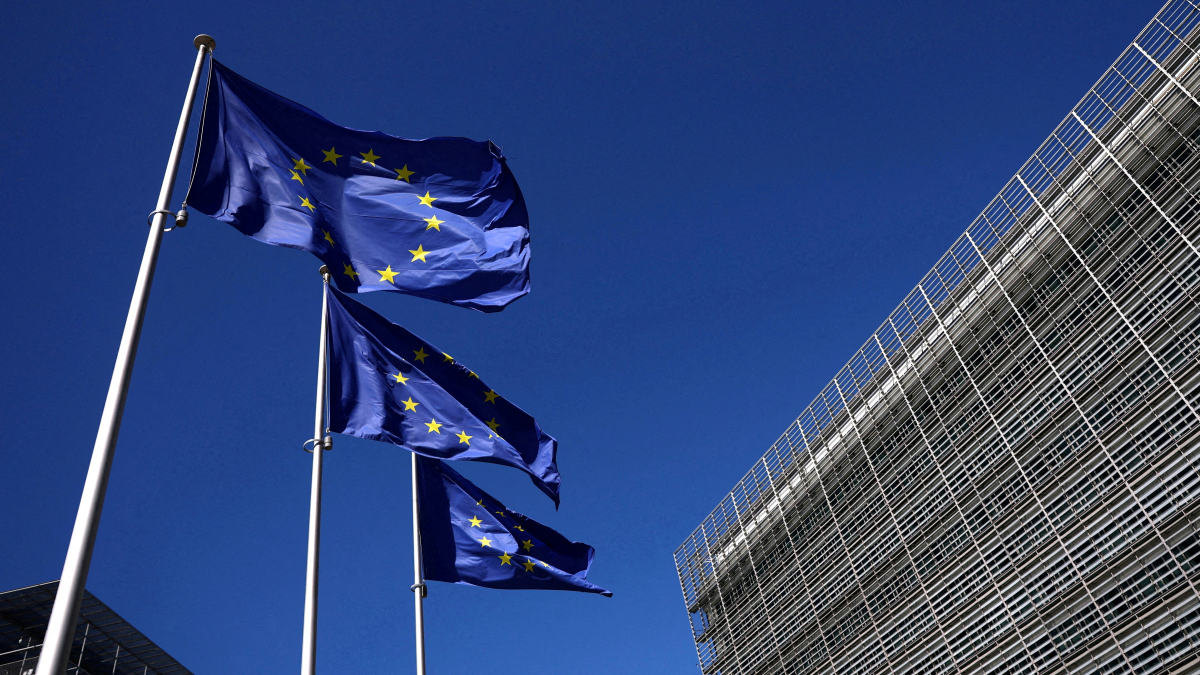
Ten EU countries, led by Italy and Poland, have urged the European Union to reconsider a new carbon price on fuel as part of a wider overhaul of the bloc's carbon market, according to a joint statement seen by Reuters.
The opposition threatens to disrupt plans to update Brussels' flagship climate policy, the emissions trading system (ETS), and could set the countries against supporters of the new levy, including Germany and Sweden.
The European Commission is due to propose revisions to the trading system on Friday. The ETS requires power plants, factories, airlines and shipping companies to pay for their CO₂ emissions.
In a statement shared with the Commission on Tuesday, the 10 countries said the review should also be used to reconsider a new CO₂ pricing system, known as ETS2, which the EU plans to introduce for heating and transport fuels from 2028.
New emissions system under scrutiny
Like the existing EU ETS, ETS2 will operate as a cap-and-trade system, but it will cover emissions upstream in the supply chain. Fuel suppliers, rather than end consumers, will be responsible for monitoring and reporting emissions and will be required to surrender enough allowances to cover them.
According to the European Commission, the ETS2 emissions cap is expected to reduce emissions by 42% by 2030.
"European citizens should not be facing new climate taxes in current economic and geopolitical circumstances. ETS2 should be therefore addressed directly in the revision and carefully reconsidered," the statement said.
The statement was signed by Italy, Poland, Bulgaria, Cyprus, the Czech Republic, Estonia, Greece, Hungary, Romania and Slovakia. It also called for changes to the existing carbon market.
Among the proposals, the countries urged the EU to grant industry more free CO₂ emissions permits without broad conditions. The Commission has indicated it wants additional free permits to be available only to companies that commit to investing in decarbonisation projects in Europe.
Showdown over fuel carbon charge
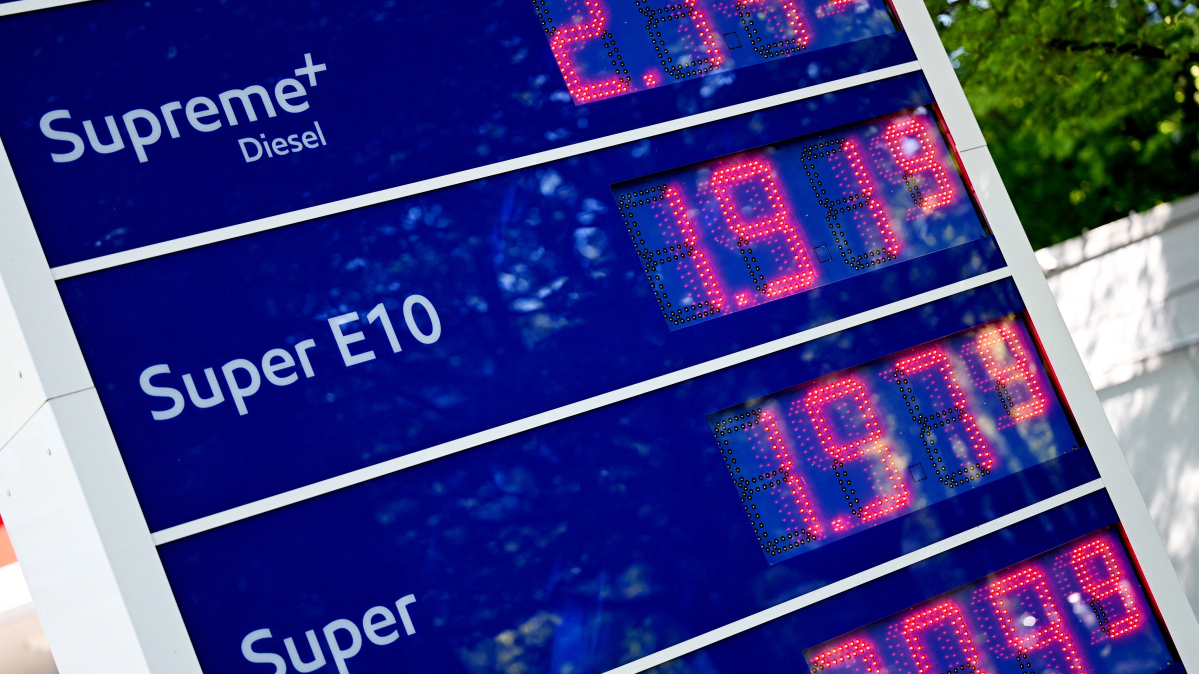
Brussels has already delayed the introduction of ETS2 by a year following concerns from governments that the new carbon charge on fuel would increase costs for consumers.
Supporters argue the measure is essential to accelerate the shift to cleaner vehicles and low-carbon home heating. They also say revenue generated by the CO₂ charge will be reinvested to help households adopt cleaner technologies, reducing the financial impact on consumers.
The Commission has said it does not want to make further changes before the scheme is introduced, arguing that businesses need regulatory certainty to prepare.
However, when national governments and EU lawmakers negotiate and approve the carbon market reforms, they could still introduce their own amendments, including changes to ETS2. The 10 countries behind the statement hold enough votes within the EU system to block amendments they oppose.













What is your opinion on this topic?
Leave the first comment