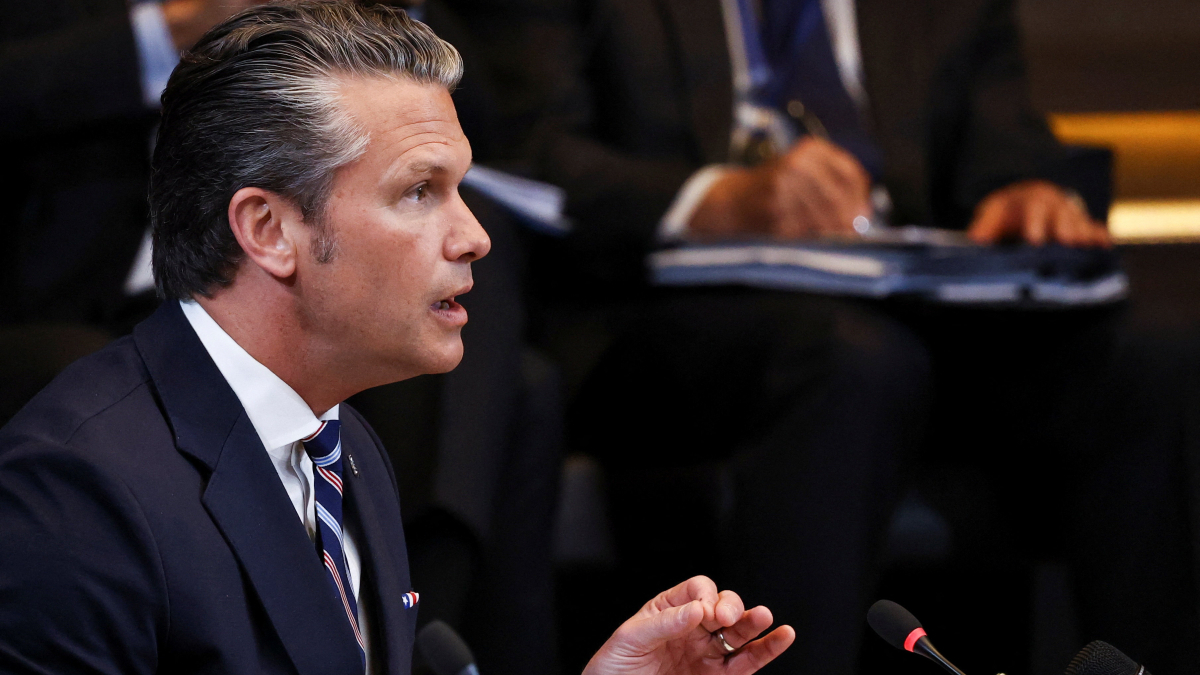
U.S. Defence Secretary Pete Hegseth has delivered a stark message to North Atlantic Treaty Organisation (NATO) allies, warning that some member states are falling short on defence commitments and signalling a tougher U.S. approach as the alliance prepares for its upcoming summit in Ankara.
Speaking as he arrived at Nato headquarters in Brussels, Pete Hegseth made clear that Washington is ready to call out underperformance, both publicly and behind closed doors.
“(There are) some that still need to do more, and we will be candid about that, both in private and in public. I think that's important, friends being honest with friends,” he said.
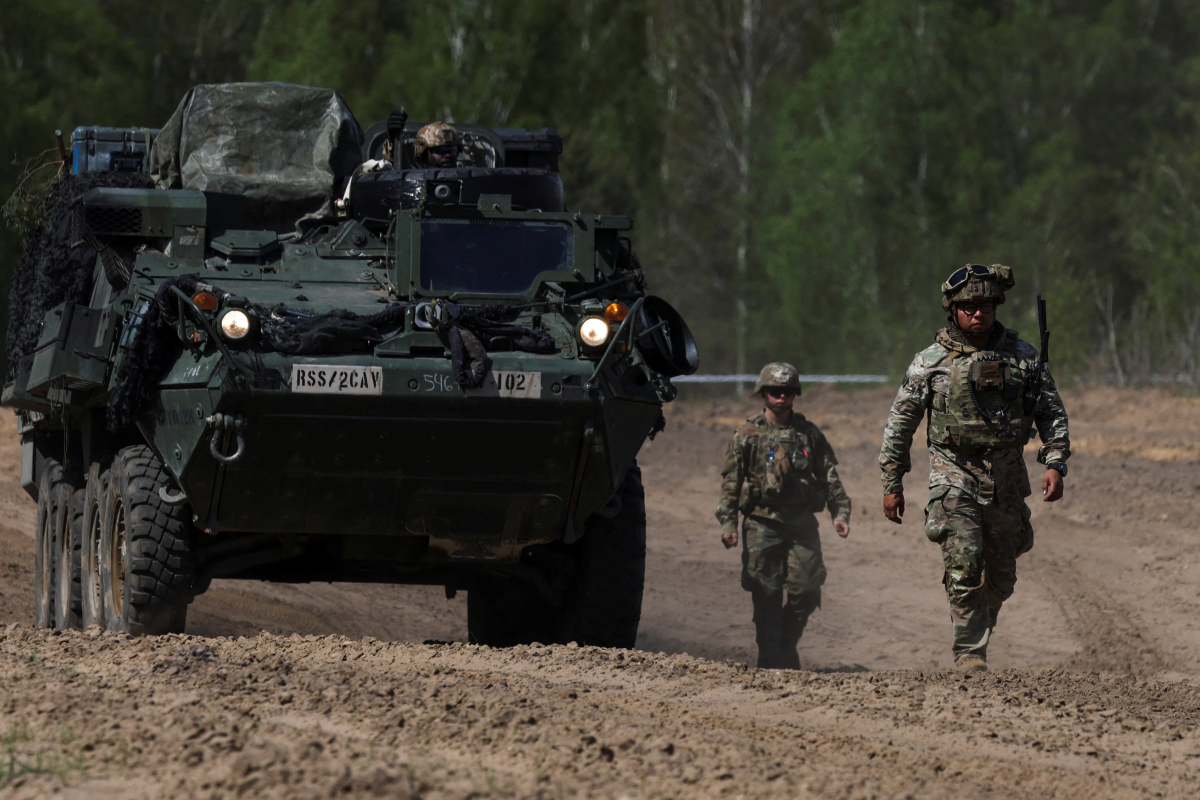
At the heart of his message was a planned six-month review of U.S. military presence in Europe, which he said would not be a routine exercise.
“It’s a review that some countries will fail and others will pass with flying colours,” Pete Hegseth said, adding that the aim is to “improve U.S. force posture and basing and strengthen NATO 3.0.”
He stressed that the review would assess the real value of U.S. deployments and push allies towards greater responsibility.
“It will be designed to ensure that Nato is moving fast and irreversibly toward Europe leading, stepping up to take primary responsibility for the defence of Europe.”
Warning on defence spending
Pete Hegseth also tied U.S. contributions to Nato more closely to allies’ defence spending levels, warning that countries not meeting targets could face reduced U.S. support.
“Where other allies do not spend with urgency, our dues, contributions will go down. Nato will be a two-way street.”
He reinforced Washington’s position that the current imbalance is no longer acceptable.
“America cannot care for or pay more for Europe’s defence than our allies do.”
Criticising some of Nato’s wealthiest members, he added: “Some of Nato’s largest economies, some of our richest countries, allies that are happiest to go on about the rules-based international order… still think the era of free riding is here.”
“This is not what any reasonable person would expect, and it’s not going to cut it any more.”
Frustration over Iran stance
Pete Hegseth also voiced anger over what he described as insufficient support from European allies during recent U.S. operations targeting Iran.
“The United States has defended Europe for generations… but too many of our allies said no, or tried to drown us in arcane legal debates, or criticised us publicly… It was shameful,” he said.
“These allies… put America’s sons and daughters… at risk by denying them the predictable access… that never should have been in question.”
The defence secretary said the alliance must return to its core role as a deterrent military force, criticising its evolution over recent decades.
“Our direction of travel is and has been clear,” he said. “This is the right thing to do by the American people. It’s the right thing to do by this alliance.”
He argued that Nato had lost focus in what he described as an era of “distraction, de-industrialisation and demilitarisation”.
“Nato 2.0 was an era of free riding… Those were lost years that we are not going back to.”
He added that the alliance must refocus on traditional military strength.
“Nato has been a paper tiger and a one-way street. No more.”
Europe urged to take the lead
Pete Hegseth emphasised that Europe must take on a greater share of responsibility for its own defence, pointing to commitments made at last year’s summit.
“Europe can and must take primary responsibility for its conventional defence… we know our allies can do it, and it’s time.”
He framed this as a return to the original vision of Nato’s founders, arguing that Europe was never intended to rely heavily on the United States.
“Europe was not supposed to be a dependency of the United States… Europe was supposed to be a military power, allied with a strong America.”
He also recalled earlier expectations that U.S. troops would eventually return home, suggesting Nato had drifted from its original purpose.
Hegseth made clear that Washington’s expectations have evolved and that allies are now being assessed on their willingness to act.
“For all of our clarity, too many allied capitals seem to still miss something in translation,” he said, warning that “too many allies still do not recognise the historic need… to forge a relevant, powerful military alliance.”
He added that recent events had exposed gaps in commitment.
“We gave our allies a test… and too many failed it.”
As Nato ministers meet for the last time ahead of the Ankara summit, Hegseth’s remarks set a confrontational tone, signalling a shift towards a more demanding and performance-driven alliance.
With the U.S. pushing for a return to what it calls a “hardline” military posture, the coming months are likely to test whether European allies can meet those expectations or face bigger changes in the balance within Nato.
















What is your opinion on this topic?
Leave the first comment