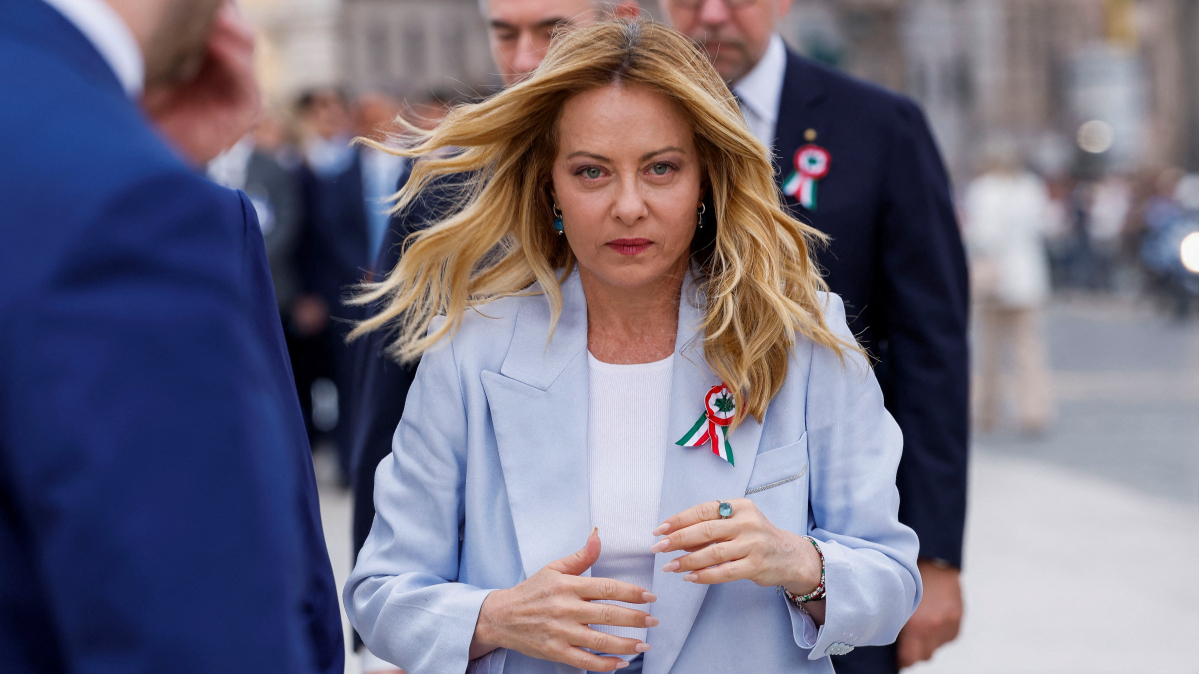
Italy will significantly increase its defence and security spending next year, but Prime Minister Giorgia Meloni argued that NATO allies should focus less on spending targets and more on adapting to the changing nature of warfare.
Addressing parliament on Thursday, Meloni said she would inform NATO leaders at next month's summit that Italy plans to allocate around 2.8% of GDP to defence and security in 2026, up from last year's level. Much of the increase will come from domestic security spending, including certain police functions that can now be counted under updated NATO guidelines.
Ukraine conflict reshapes military thinking
Meloni cautioned against judging military strength solely by defence budgets or conventional weapons systems. She said the conflict in Ukraine had demonstrated how rapidly battlefield realities are evolving.
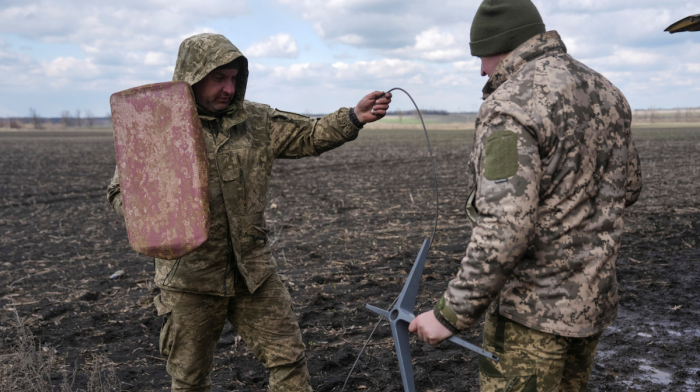
According to Meloni, drones have transformed the front line, making movement difficult and allowing relatively inexpensive systems to destroy costly military hardware.
She argued that NATO members should reassess the strategic value of assets such as satellites, data infrastructure and cyber capabilities alongside traditional equipment like tanks and aircraft carriers.
Drones and digital skills seen as future battlefield assets
Highlighting the growing role of technology in warfare, Meloni said some countries are investing in training young people with gaming skills to operate drones remotely in future conflicts.
She suggested that data protection and digital capabilities are becoming as important as conventional military assets, calling for a broader debate among Western allies about how to prepare for future security challenges.
Debate over defence spending intensifies across Europe
The discussion comes as U.S. President Donald Trump continues to press NATO allies to spend more on defence, arguing that European governments have relied too heavily on American military support. Trump has urged allies in Europe and Asia to increase defence spending to 3.5% of GDP.
The debate has also exposed tensions within allied governments. Britain's Defence Secretary John Healey resigned on Thursday following a dispute over military funding, saying the government had not committed sufficient resources to address growing security threats.
Italy's Defence Minister Guido Crosetto said he understood Healey's frustrations, noting that many defence ministers face similar challenges as governments balance security demands with budget pressures.
Read more:











What is your opinion on this topic?
Leave the first comment