Azerbaijan and Israel discuss bilateral ties as Herzog praises Baku's regional role
Azerbaijani President Ilham Aliyev and his Israeli counterpart, Isaac Herzog, met on 14 October to discuss bilateral ties and key regional and inte...
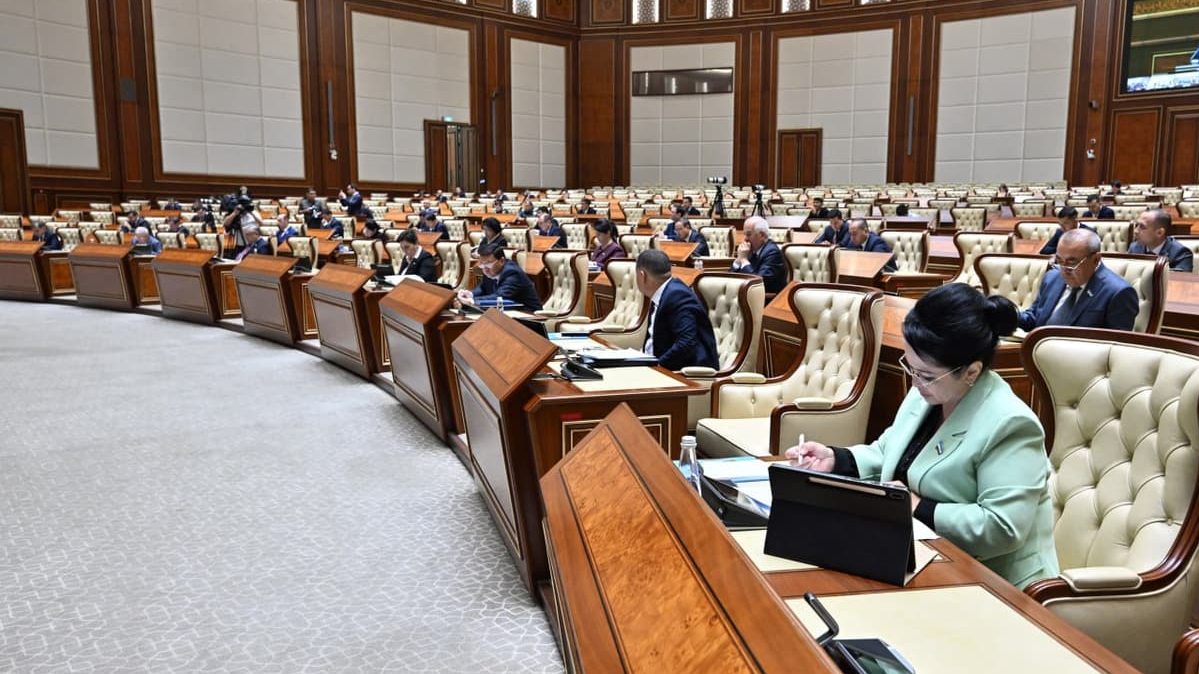
Uzbekistan has eased parts of its extremism legislation following criticism from UN rights experts, while retaining broad state powers over materials and organisations deemed extremist.
The changes come after Tashkent moved earlier this year to expand its counter-extremism framework, including a broader list of offences linked to extremist and terrorist activity.
Under draft amendments reported in May, first-time offenders involved in preparing or storing materials deemed to threaten public safety could face administrative rather than criminal liability.
The amendments also introduced differentiated sentencing for organising, leading or participating in so-called “informal structures”, replacing a system under which all participants could face the same 10- to 15-year sentence.
Uzbekistan’s Supreme Court has continued to expand its blacklist of extremist and terrorist online materials. The Diplomat reported that the list grew from nearly 1,600 online entries in January 2025 to more than 1,800 by April 2026, with Telegram channels and posts accounting for the largest share.
Rights groups have long warned that broad definitions of extremism can put religious expression and freedom of speechat risk of criminalisation. The latest changes appear to ease penalties for lower-level offences while leaving the wider enforcement framework in place.
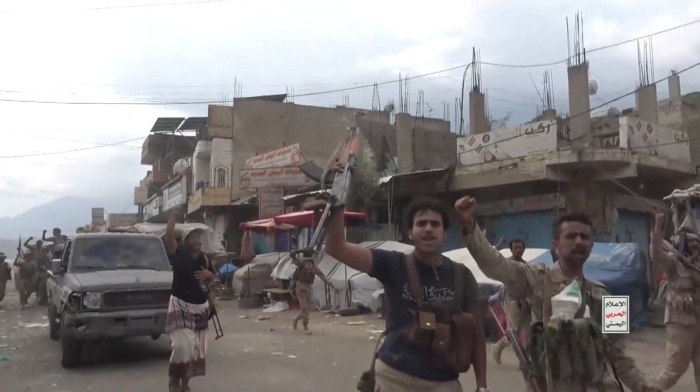
The Saudi-led coalition in Yemen said late Monday that it intercepted and destroyed two ballistic missiles launched by the Houthi group toward Khamis Mushait in southwestern Saudi Arabia.
Yemen’s Houthis have claimed responsibility for the recent drone and missile strikes on Saudi Aramco facilities in Dhahran and Riyadh and at King Khalid International Airport in Saudi Arabia, vowing to carry out more attacks in the coming days.
Ukrainian President Volodymyr Zelenskyy says Russia hit at least six energy targets in deadly strikes across Ukraine, showing Moscow is unwilling to accept the energy ceasefire announced by U.S. President Donald Trump.
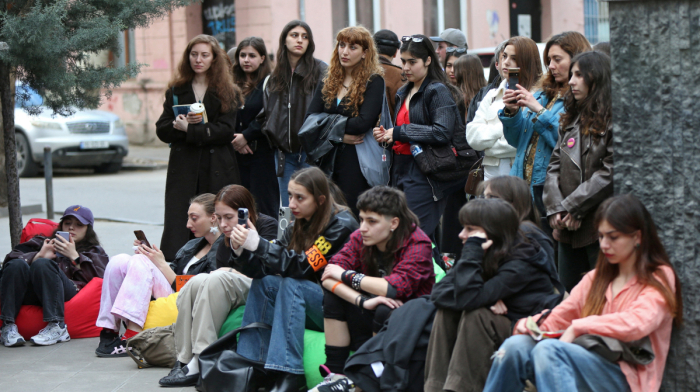
Thousands of young Georgians leave the country each year in search of better economic opportunities, with many moving west. As questions grow over Georgia’s European path, AnewZ spoke to people who have emigrated about what it would take for them to return.
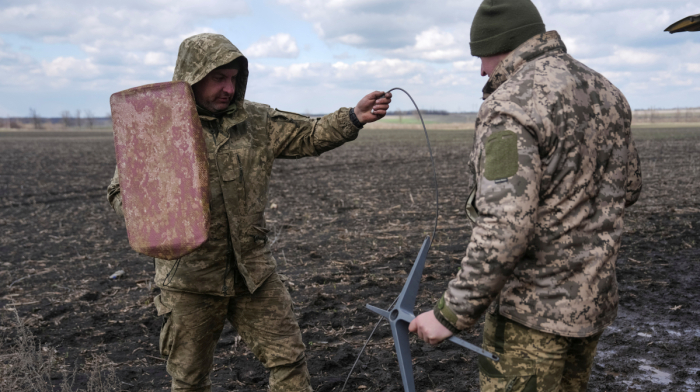
Ukraine's soldiers have had their access to Starlink satellite internet restricted. Kyiv's troops use the terminals, made by Elon Musk's SpaceX, to pilot drones. A source in Ukraine's Defence Ministry said the restrictions would make it harder for Kyiv's army to down Russian drones.
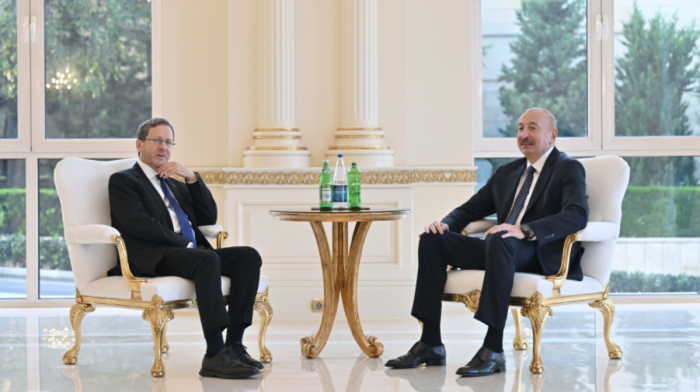
Azerbaijani President Ilham Aliyev and his Israeli counterpart, Isaac Herzog, met on 14 October to discuss bilateral ties and key regional and international issues.
Afghan authorities suspended BBC FM radio broadcasts nationwide on Tuesday (13 October), citing repeated but unspecified violations. The BBC said it was working with officials to restore the service.
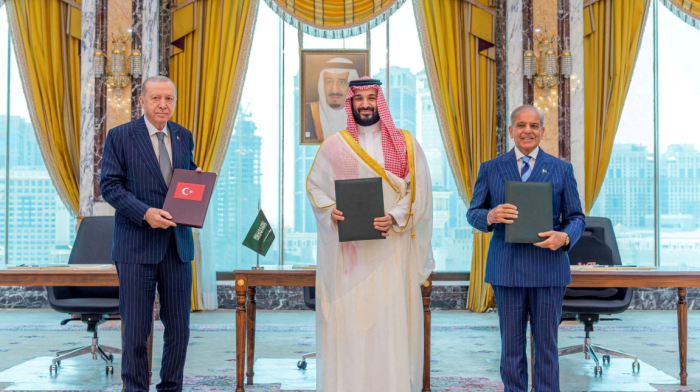
Turkish President Recep Tayyip Erdoğan has reaffirmed his support for Saudi Arabia following Houthi attacks, as U.S. President Donald Trump considers involving Türkiye in the Yemen conflict.
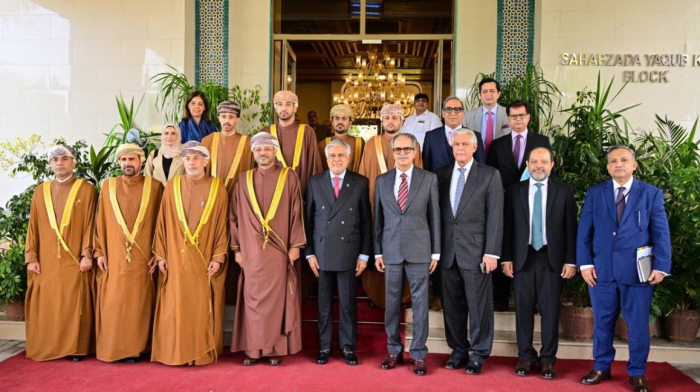
Pakistan and Oman called for restraint and diplomacy on Wednesday as they discussed the U.S.-Iran conflict, Houthi attacks on Saudi Arabia and threats to vital Gulf shipping routes, with Muscat praising Islamabad’s mediation efforts.
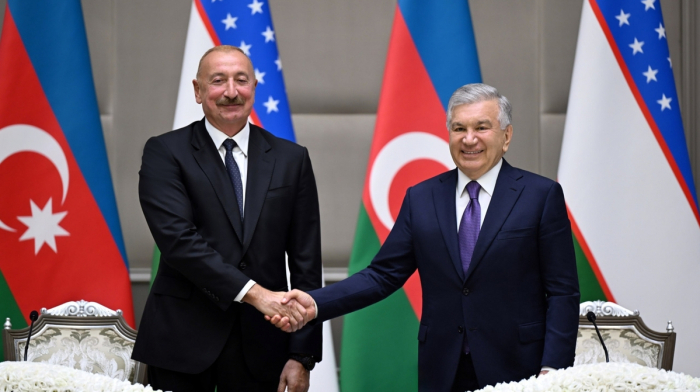
Uzbek President Shavkat Mirziyoyev is in Baku for the seventh Conference on Interaction and Confidence Building Measures in Asia (CICA) Summit on 14–15 October, as Uzbekistan and Azerbaijan seek to turn stronger political ties into deeper economic cooperation.
You can download the AnewZ application from Play Store and the App Store.
What is your opinion on this topic?
Leave the first comment