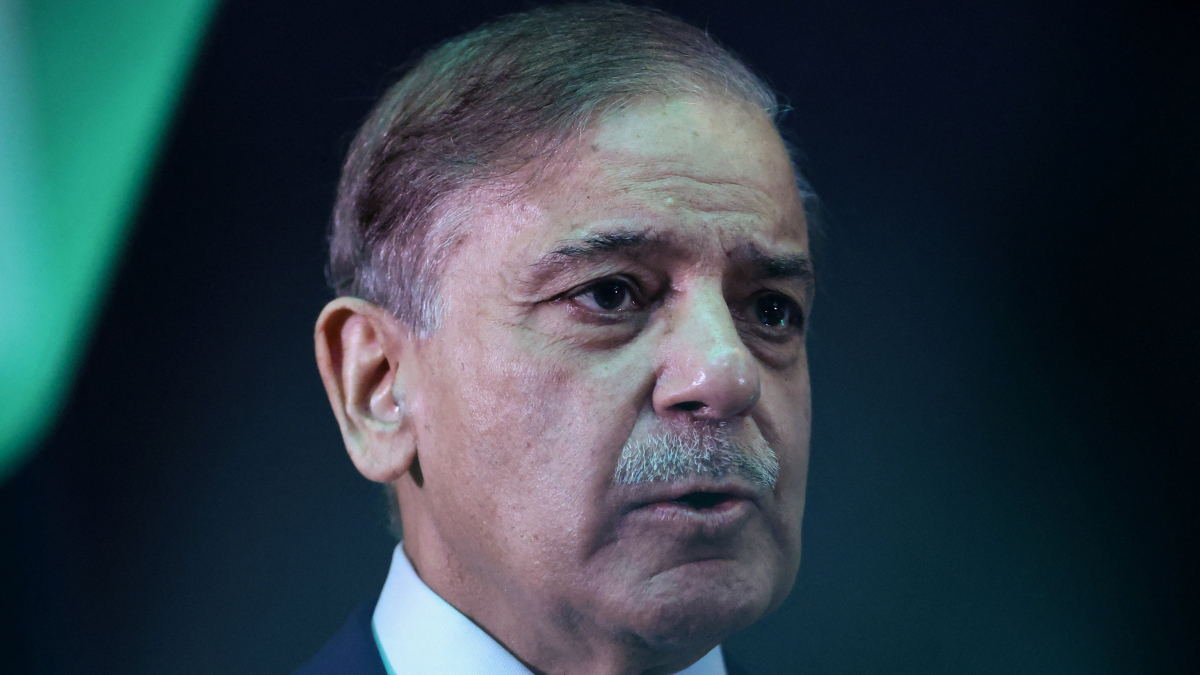
Pakistan's political leadership on Monday welcomed a breakthrough agreement between the U.S. and Iran aimed at ending more than three months of conflict, with Prime Minister Shehbaz Sharif describing it as a major diplomatic success and a victory for peace.
Addressing the National Assembly, Sharif said the agreement marked a "historic milestone" after months of mediation efforts involving Pakistan and several regional partners.
"This is not an agreement between two countries, but it is the success of peace and dialogue — a diplomatic success," he told lawmakers.
The prime minister announced that the formal signing ceremony would take place in Geneva on 19 June and said Pakistan would host the event.
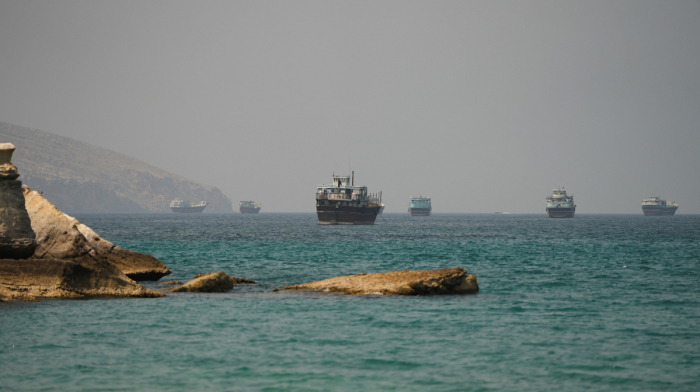
Under the framework agreement, Washington and Tehran have agreed to end military operations, reopen the Strait of Hormuz and continue negotiations on outstanding issues.
Pakistan credits months of diplomacy
Pakistan played an active role throughout the crisis, hosting the first round of direct U.S.-Iran talks in Islamabad in April and maintaining contact with both sides as negotiations continued.
Sharif thanked the leadership of the U.S. and Iran for remaining committed to dialogue despite difficult circumstances. He also acknowledged the support of Qatar, Saudi Arabia, Türkiye, China and other international partners involved in the peace effort.
The prime minister said Pakistan's role in the process had earned international recognition and would be remembered as a contribution to global peace.
Government praises civil-military cooperation
Sharif credited Chief of Defence Forces and Chief of Army Staff Field Marshal Asim Munir with helping sustain negotiations during difficult periods when talks risked collapsing.
He also praised Deputy Prime Minister and Foreign Minister Ishaq Dar, Interior Minister Mohsin Naqvi and Foreign Ministry officials for their role in supporting the peace process.
Defence Minister Khawaja Asif described the agreement as a historic achievement, saying Pakistan's leadership had helped resolve a highly sensitive international crisis through "wisdom and patience".
"There is no doubt we are passing through historic times," Asif told parliament, while congratulating Iran's leadership and urging greater unity across the Muslim world.
Dar, Zardari and Bilawal welcome breakthrough
Foreign Minister Ishaq Dar said the understanding demonstrated the power of sustained diplomacy and would help restore confidence in global markets and developing economies affected by regional instability.
President Asif Ali Zardari welcomed the agreement as an important step towards durable peace and stronger multilateral cooperation.
PPP Chairman Bilawal Bhutto-Zardari called the deal "an important first step towards reducing tensions and advancing peace through dialogue", while praising the efforts of Prime Minister Shehbaz Sharif, Field Marshal Asim Munir and the diplomatic teams involved in the negotiations.
The agreement has drawn international attention to Pakistan's mediatory role, with world leaders and the United Nations welcoming the breakthrough as a significant step towards restoring stability in the Middle East.













What is your opinion on this topic?
Leave the first comment