British lawmakers look set to revisit assisted dying in the new parliamentary session after Labour MP Lauren Edwards said she would reintroduce legislation that failed to complete its passage through Parliament earlier this year.
The move could revive efforts to legalise assisted dying for terminally ill adults in England and Wales, an issue that has been debated for years and continues to attract strong public support.
Writing on her website on Sunday, Edwards said she felt a responsibility to bring the bill back before Parliament.
"I owe it to terminally ill people and their families to bring back a bill that gives them choice at the end of their lives," she said.
Bill stalled despite Commons backing
The proposed legislation appeared to be on course to make Britain one of a growing number of countries permitting assisted dying, alongside Canada, the Netherlands, Spain and Australia, as well as several U.S. states.
In 2025, members of the House of Commons voted 314–291 in favour of changing the law.
However, the bill stalled in March in the House of Lords after peers ran out of time to debate hundreds of proposed amendments before the parliamentary session ended.
Edwards criticised the outcome, arguing that the legislative process had been blocked despite support from elected lawmakers.
"We cannot allow an unelected minority to frustrate the democratic process for a second time," she said.
She added that the episode had undermined confidence in democratic institutions by preventing changes supported by a majority of voters from being implemented.
What the bill proposes
Under the proposed legislation, mentally competent adults in England and Wales who are terminally ill and expected to live for six months or less would be allowed to end their lives with medical assistance.
Any request would require approval from a panel of professionals and would be subject to legal safeguards.
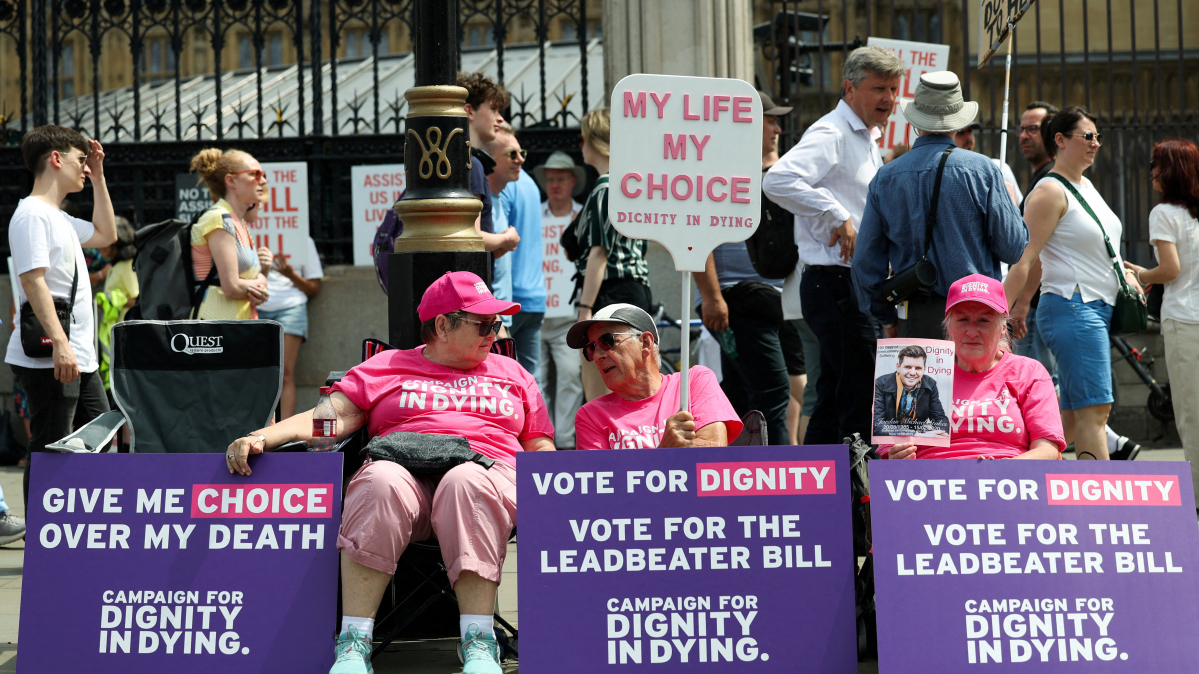
Supporters argue the bill would provide dignity and choice for people facing the end of life. Opponents have raised concerns about whether vulnerable people could be adequately protected from pressure or coercion.
Those concerns contributed to the large number of amendments tabled in the House of Lords.
Edwards rejected criticism of the proposal, saying the legislation would be "the safest and most robust" assisted dying law in the world.
Recent opinion polls have consistently suggested that around 80% of Britons support legalising assisted dying, making it one of the most closely watched social policy debates expected to return to Parliament in the months ahead.



















What is your opinion on this topic?
Leave the first comment