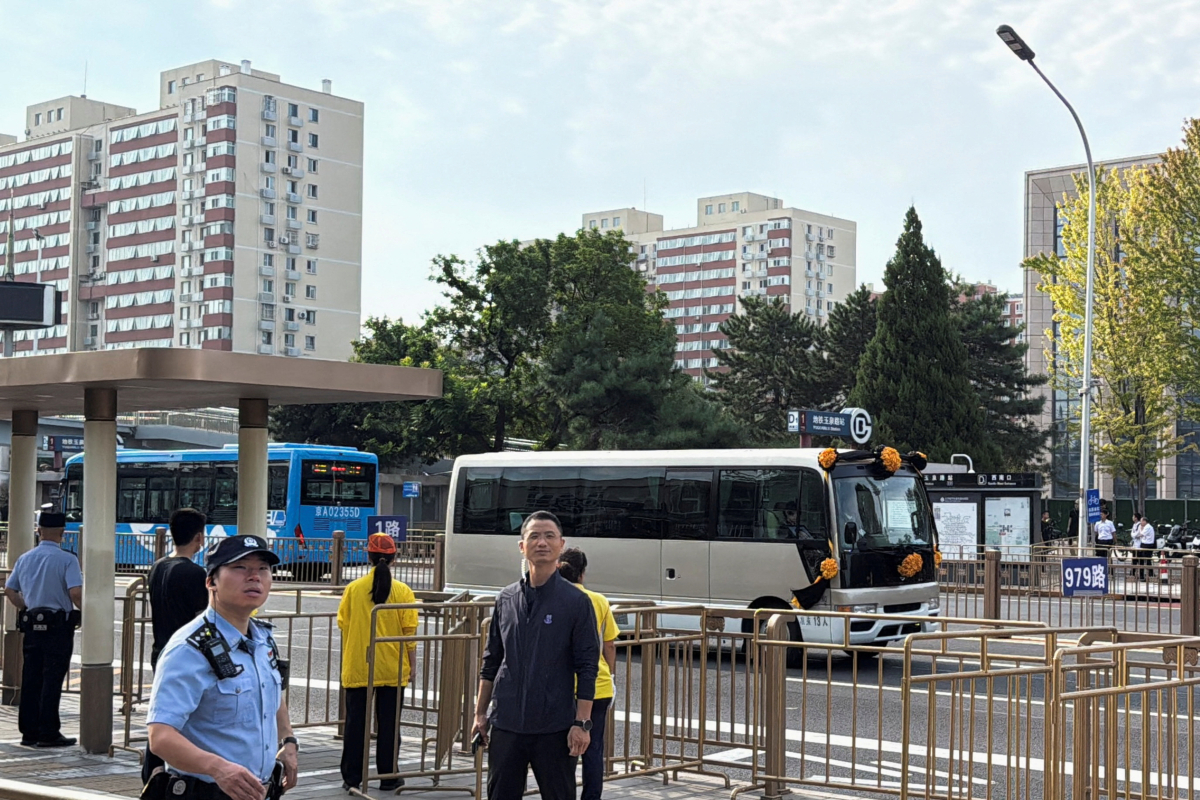
China is mourning former Premier Zhu Rongji, a driving force behind the economic reforms that transformed the country in the 1990s and early 2000s, following his death at the age of 97.
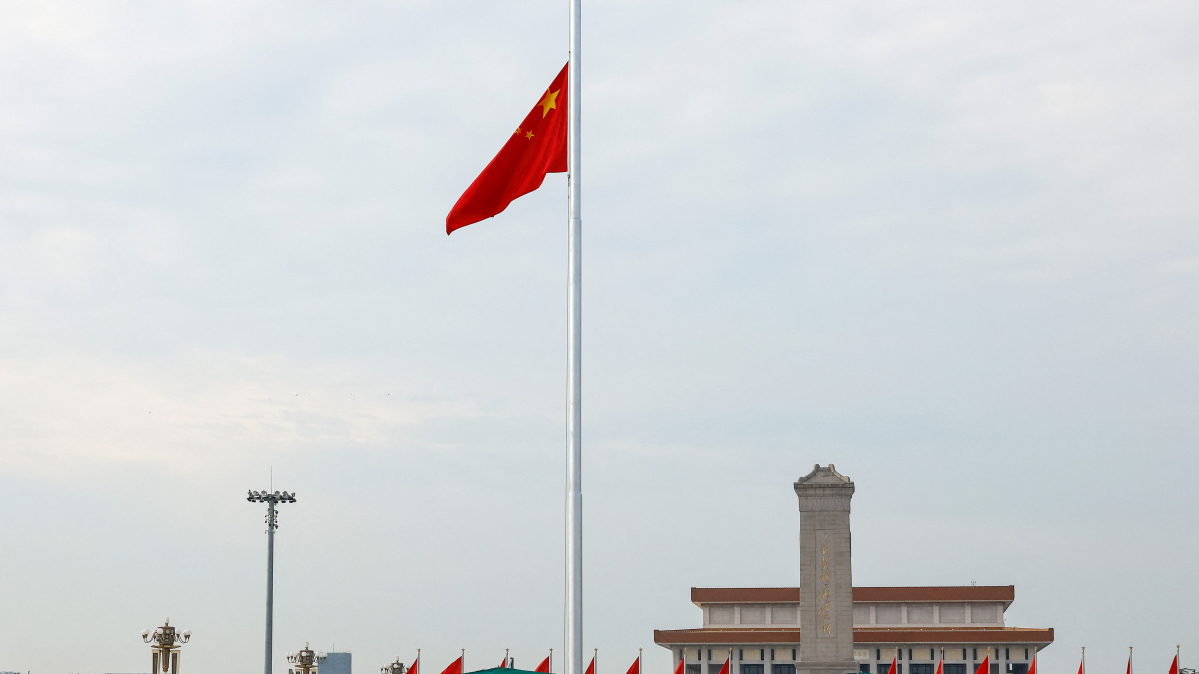
Flags were lowered at government headquarters on Tuesday as officials and citizens paid tribute to Zhu, who served as premier from 1998 to 2003 and played a central role in reshaping China’s economy during a period of rapid change.
Zhu was known for his tough approach to reform, overseeing major changes to state-owned industries, banking and taxation systems. His policies helped stabilise the economy, control inflation and prepare China to join the World Trade Organization in 2001.
A reformer with a contested legacy
Zhu’s economic reforms reshaped China’s role in the global economy, but they also came at a significant social cost.
His restructuring of state enterprises led to millions of job losses as inefficient firms were closed or reorganised, fueling a lasting debate about the human impact of his reforms.
Supporters credit him with helping lay the foundations for China’s economic rise, while critics argue that many workers paid the price for the reforms.
Public reactions to his death reflected that divide. Some citizens praised his leadership and recalled the rapid growth of the reform era, while others criticised the disruption caused by his economic policies.
A defining figure of China’s opening era
Zhu rose through China’s political system as the country moved towards deeper integration with global markets.
As vice premier from 1991 to 1998 and later as premier, he became known for his direct style and determination to push through difficult economic reforms.
His death has renewed debate in China about the legacy of the reform period and the leaders who shaped the country’s emergence as a major global economic power.
















What is your opinion on this topic?
Leave the first comment