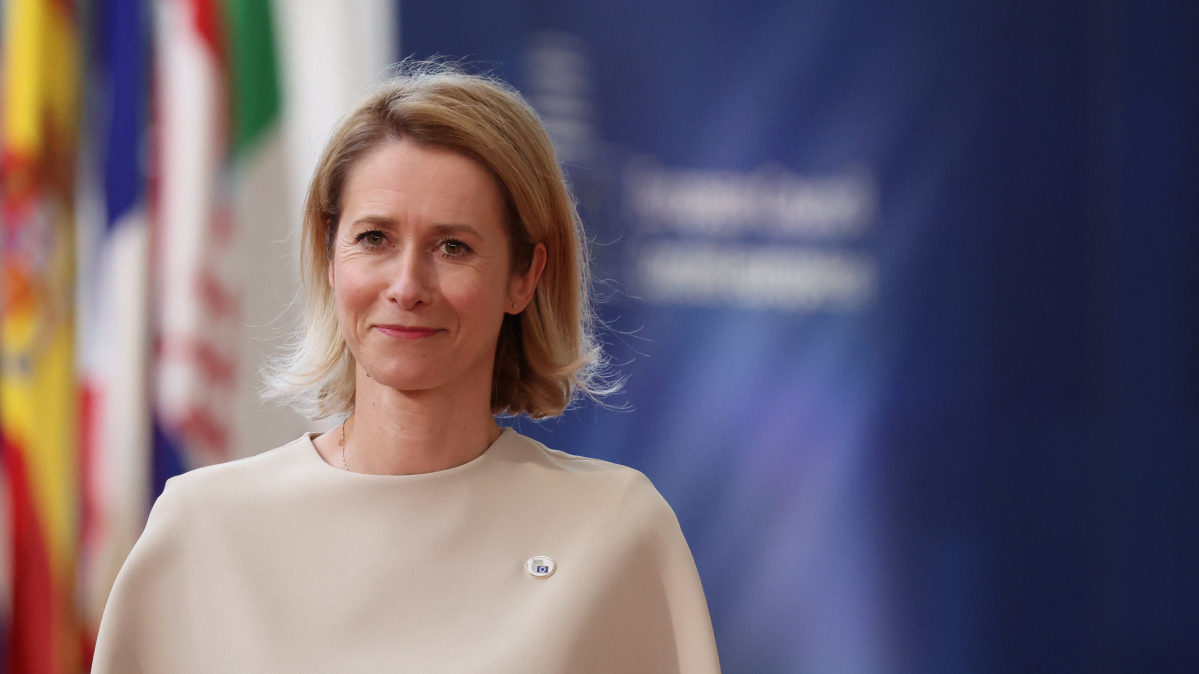
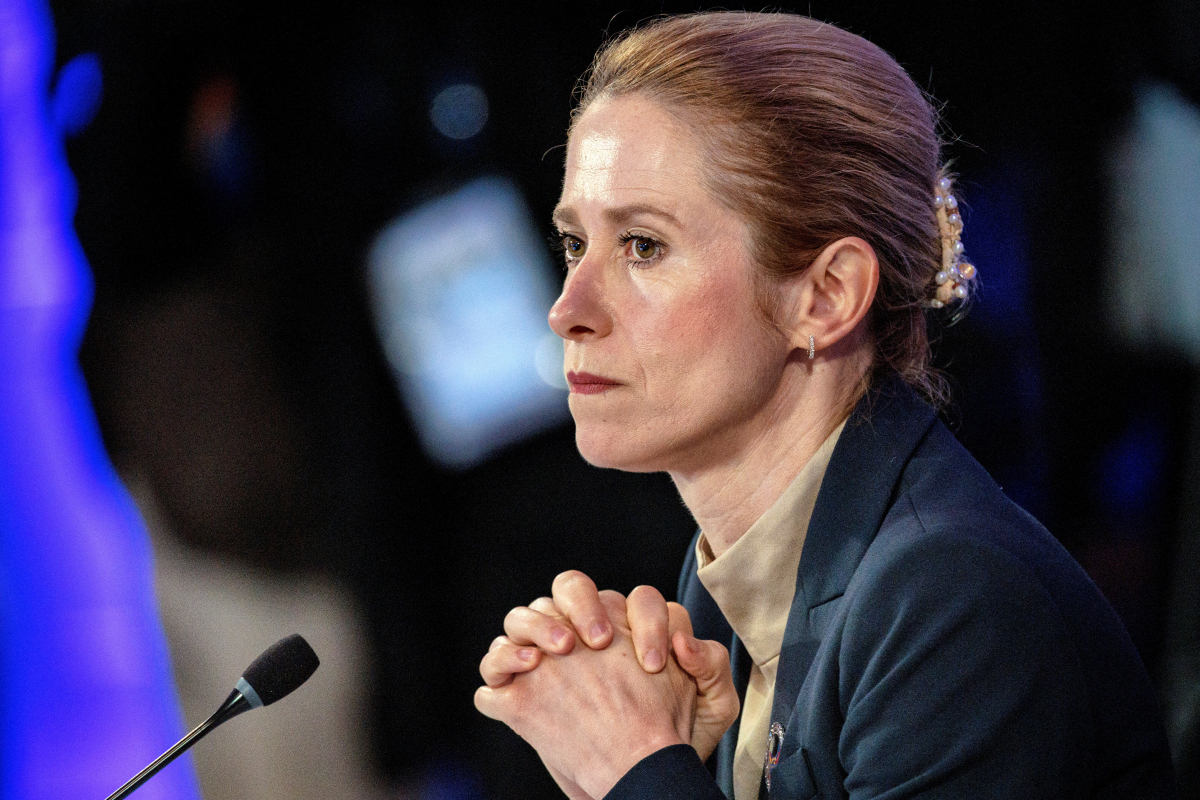
A battle over the future of the European Union’s diplomatic service is deepening divisions over who controls the bloc’s foreign policy, as EU foreign affairs chief Kaja Kallas pushes back against plans to overhaul her service.
The European Commission is drawing up proposals to break up parts of the European External Action Service (EEAS) and transfer some of its functions to existing Commission departments, the Financial Times reported on Wednesday, citing people briefed on the process.
Reuters could not immediately verify the report.
The possible overhaul comes as the 15-year-old diplomatic service faces growing criticism over its effectiveness asEurope grapples with Russia’s war in Ukraine, uncertainty over U.S. support, conflict in the Middle East and a more assertive China.
Who controls EU foreign policy?
The EEAS was created in 2011 to give the EU a stronger and more coordinated diplomatic presence around the world. But its position between EU institutions and national governments has made its role inherently complex.
Kallas, as the EU’s high representative for foreign affairs and security policy, works with member states through the Council, while the EEAS coordinates with the Commission on external programmes and policies.
That division of power is now at the heart of the dispute.
France and Germany have been pushing for changes that they say would make EU foreign policy more effective. Their proposals include moving much of the EEAS workforce into the Commission, according to a paper seen by Politico.
While the plans would formally strengthen the high representative’s role, Kallas’ allies fear the changes could give Commission President Ursula von der Leyen greater practical control over foreign policy.
“If I have somebody above me who is actually deciding, then it doesn’t work,” Kallas told reporters after meeting EU foreign ministers in Ireland, according to Politico.
Kallas argues the problem is elsewhere
Kallas argues instead that the EU’s biggest foreign policy weakness is its decision-making process.
Foreign and security policy decisions generally require unanimous support from all 27 member states. The requirement can make it difficult for the bloc to respond quickly when governments disagree, as recent divisions over support for Ukraine have shown.
Eleven EU countries, including France and Germany, have called for greater use of qualified majority voting in foreign and security policy, Politico reported.
Kallas has not rejected the need for faster decision-making. But she argues that the existing institutional framework can work if member states and EU institutions properly follow the treaties already in place.
“The problem is not the treaties, the institutional setup,” she said. “The problem is the implementation.”
Her position puts her at odds with governments seeking a deeper structural overhaul of the EU’s diplomatic service.
Cancelled initiative adds to pressure
The tensions intensified after Kallas cancelled the planned launch of a new group of former political and military leaders.
The initiative was intended to bring experienced figures together to develop ideas for closing Europe’s defence gaps. Kallas had described the participants as “the brightest minds” and said they would look at how to address those gaps quickly and effectively.
The group was reportedly expected to include former NATO Secretary-General Anders Fogh Rasmussen and former defence ministers from several European countries, as well as representatives from Britain and Ukraine.
But the launch was called off after concerns from some EU capitals. An EU official said member states felt “this was not the right path to pursue at this moment”.
The cancellation prompted concerns that the initiative could duplicate work already under way at the Commission, including efforts led by EU Defence Commissioner Andrius Kubilius.
Politico reported that diplomats offered differing explanations for the decision, with one pointing to a lack of coordination with capitals and another citing a dispute linked to Italian domestic politics.
Reform fight comes at a difficult moment
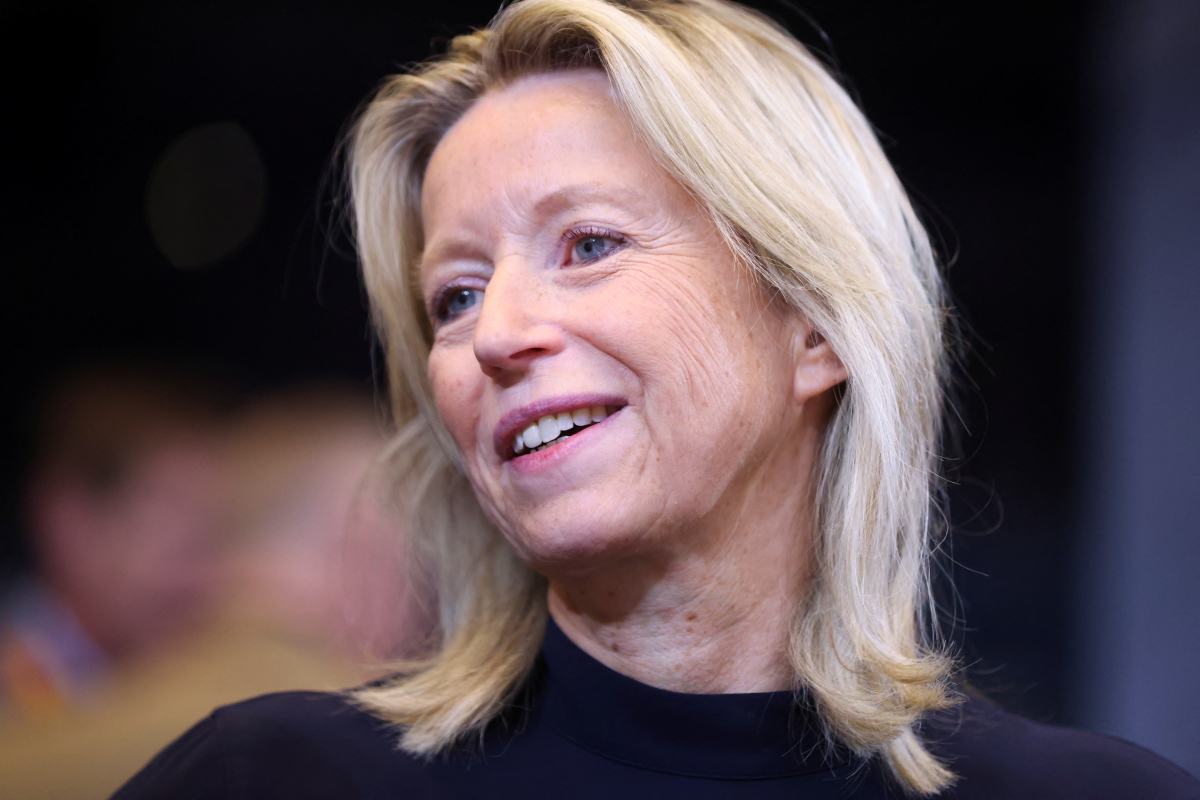
Kallas is now working with the EEAS’s new Secretary-General, former Dutch Defence Minister Kajsa Ollongren,who has been consulting EU capitals on possible reforms.
Ollongren is expected to put forward alternative ideas, including a possible “council of elders” involving senior former EEAS officials, according to Politico.
The broader debate highlights a challenge Brussels is finding increasingly difficult to ignore: Europe wants to act more decisively on the world stage, but responsibility for foreign policy remains split between national governments, the Council, the Commission and the diplomatic service.
For Kallas, the question is not simply whether the EEAS needs reform. It is whether changing the institution would make European foreign policy more effective - or simply shift power from one part of the EU machinery to another.
As pressure for reform grows, the battle over the EEAS could become a broader test of how much authority EU member states are willing to hand to Brussels on foreign and security policy.
Read more:















What is your opinion on this topic?
Leave the first comment