Farmers in Sudan say the war involving Iran is pushing up fuel and fertiliser prices, forcing many to cut back on planting and threatening food production in a country already struggling with widespread hunger.
The impact is being felt acutely in Sudan, where agriculture underpins livelihoods for around two-thirds of the population. Farmers and experts warn that rising input costs linked to the regional conflict are compounding the effects of an ongoing civil war, with potentially severe consequences for food supply.
Eight farmers across different parts of Sudan said that sharply higher prices for diesel and fertilisers are making it increasingly difficult to farm staple crops such as sorghum and millet, as well as export products like sesame.
Sudan is particularly vulnerable to global price shocks. It relies on Gulf countries for more than half of its fertiliser needs, according to UN data, while its domestic conflict has left it almost entirely dependent on imported fuel.
The country is already facing a deep food crisis. Around 19.5 million people, more than 40% of the population, are experiencing crisis levels of hunger, with some regions at risk of famine.
Sadig Elamin, a senior food security analyst with the UN Food and Agriculture Organization in Sudan, said the effects of the Iran conflict had added “salt to the wound”, warning that agricultural production could fall by “not less than 40%”.
Farming becomes increasingly unprofitable
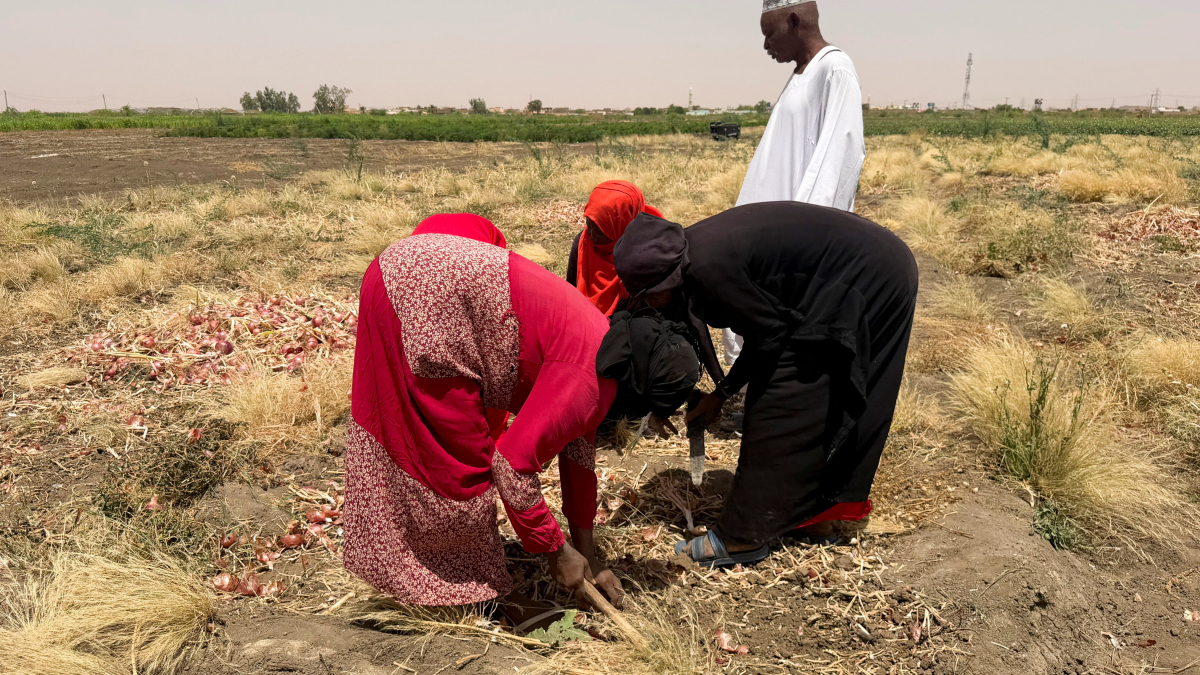
The pressure is being felt most directly at the farm level. Under southern Omdurman’s Jamuia agricultural scheme, fertiliser prices have risen by 67% over the past year, while fuel costs, particularly diesel used to power irrigation systems, have more than doubled.
“At that price, we don’t make a profit; you spend your whole profit on the diesel,” said Bashir Ismail, a local farmer.
As a result, planting has slowed significantly. Only 500 out of 10,000 feddans (about 4,200 hectares) had been cultivated midway through the season, according to Omar al-Ebeid, secretary of the scheme’s farmers’ committee.
Farmers say the lack of government support has made the situation worse. Mohamed Balla, who heads a farmers’ collective in the key Gezira region, said little had been done to repair irrigation systems damaged during fighting.
As costs rise, crop prices have remained largely stagnant, squeezing farmers’ margins. “Two sacks of wheat buy you one sack of urea. So we won’t grow it again,” Balla said.
Conflict disrupts production on the ground
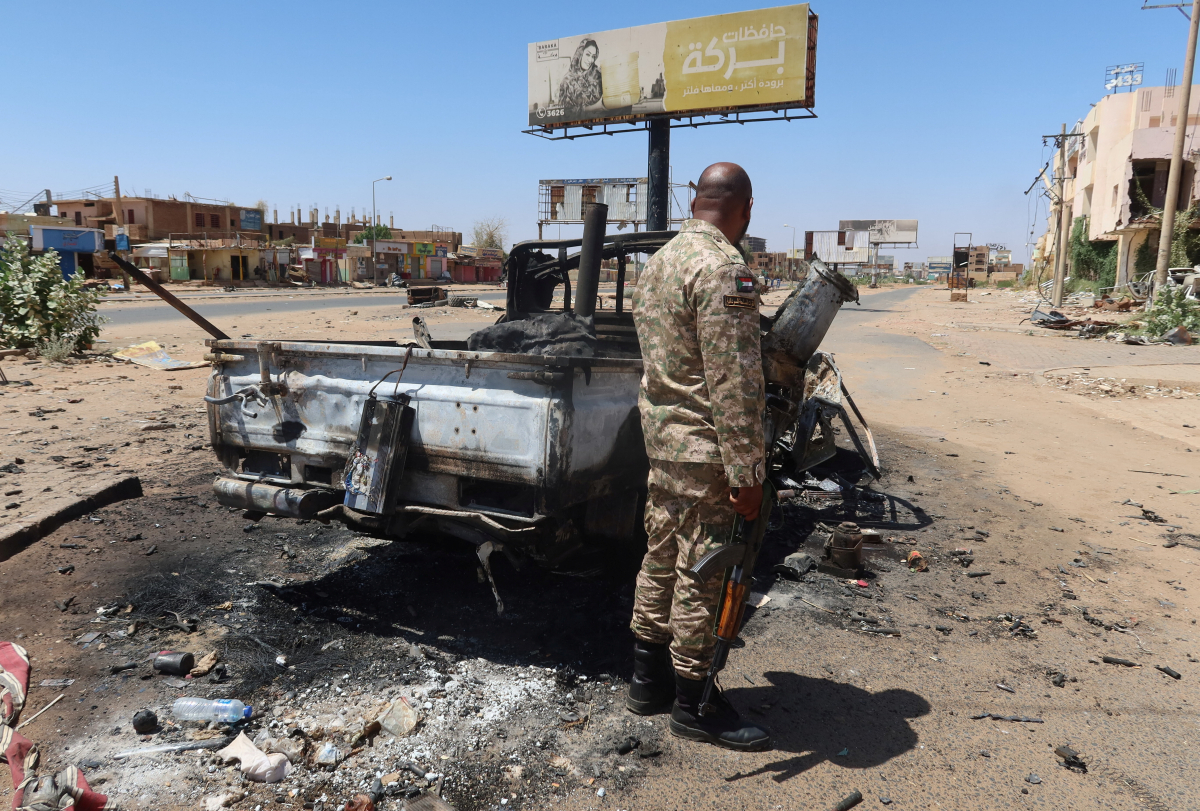
Conflict within Sudan is also disrupting production in key agricultural regions such as Kordofan and Darfur, where insecurity and looting have made farming increasingly difficult.
Farmers report machinery being stolen, crops seized at checkpoints and labourers recruited into armed groups. Entire communities have been displaced, leaving large areas of farmland unprepared for the upcoming season.
“There is no funding for farmers, no machinery for planting and ploughing the land, and no security,” said Mohamed Adam, a farmer displaced from West Kordofan.
Wider impact across Africa
The consequences extend beyond Sudan. Across Africa, the Iran conflict is disrupting energy and fertiliser markets, both of which are critical to agriculture.
In South Africa, citrus growers have reported isolated diesel shortages ahead of the export season, amid concerns that fuel market disruptions could affect distribution. Nearly all of the country’s citrus exports are transported by road, making them vulnerable to fuel supply and price shocks.
Elsewhere, countries dependent on fertiliser imports from the Gulf, including several African economies, are facing rising costs and uncertainty over supply.
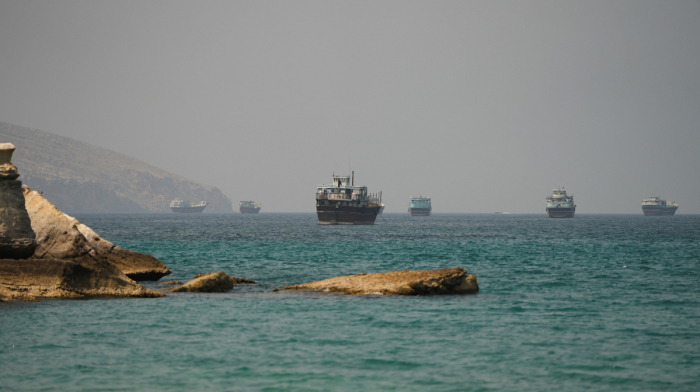
The Strait of Hormuz, a key shipping route affected by the conflict, carries a large share of the world’s fertiliser trade. Disruptions there have pushed up global prices, with analysts warning of reduced planting and lower harvests if the situation persists.
Risk of worsening food crisis
Economists say the effects are likely to be felt most strongly in developing countries, where food and fuel account for a large share of household spending.
Rising costs could push more families into food insecurity, reversing gains made in recent years.
For Sudan, already grappling with war and hunger, the added strain from higher global prices threatens to deepen an already severe crisis. Farmers warn that without urgent support, production could fall sharply in the months ahead.
















What is your opinion on this topic?
Leave the first comment