The Treaty on the Non-Proliferation of Nuclear Weapons (NPT) remains central to efforts to curb nuclear arms. More than 50 years after entering into force, it faces mounting pressure from geopolitical rivalry, modernisation and disputes over disarmament.
Signed in 1968 and entering into force in 1970, the NPT is the most widely adhered-to multilateral arms control agreement in history. Its three pillars - non-proliferation, disarmament, and the peaceful use of nuclear technology - continue to shape the global security architecture.
Key Takeaways of the Treaty
- The NPT aims to stop the spread of nuclear weapons and promote peaceful nuclear energy.
- Five nations are officially recognised as nuclear-weapon states under the treaty: the United States, Russia, China, the United Kingdom, and France.
- Four countries are widely believed to possess nuclear weapons but remain outside the NPT: India, Pakistan, Israel, and North Korea.
- The treaty faces mounting pressure from geopolitical rivalries, modernisation programmes and disputes over disarmament commitments.
What Is the NPT?
Negotiated during the Cold War, the NPT was designed to limit nuclear proliferation. Without it, dozens of countries might have developed nuclear arsenals.
The treaty divides the world into two categories.
- Nuclear-weapon states: those that tested nuclear weapons before 1 January 1967.
- Non-nuclear-weapon states: those that agree not to acquire them, in exchange for access to civilian nuclear technology.
Compliance is verified by the International Atomic Energy Agency (IAEA) through inspections and safeguards.
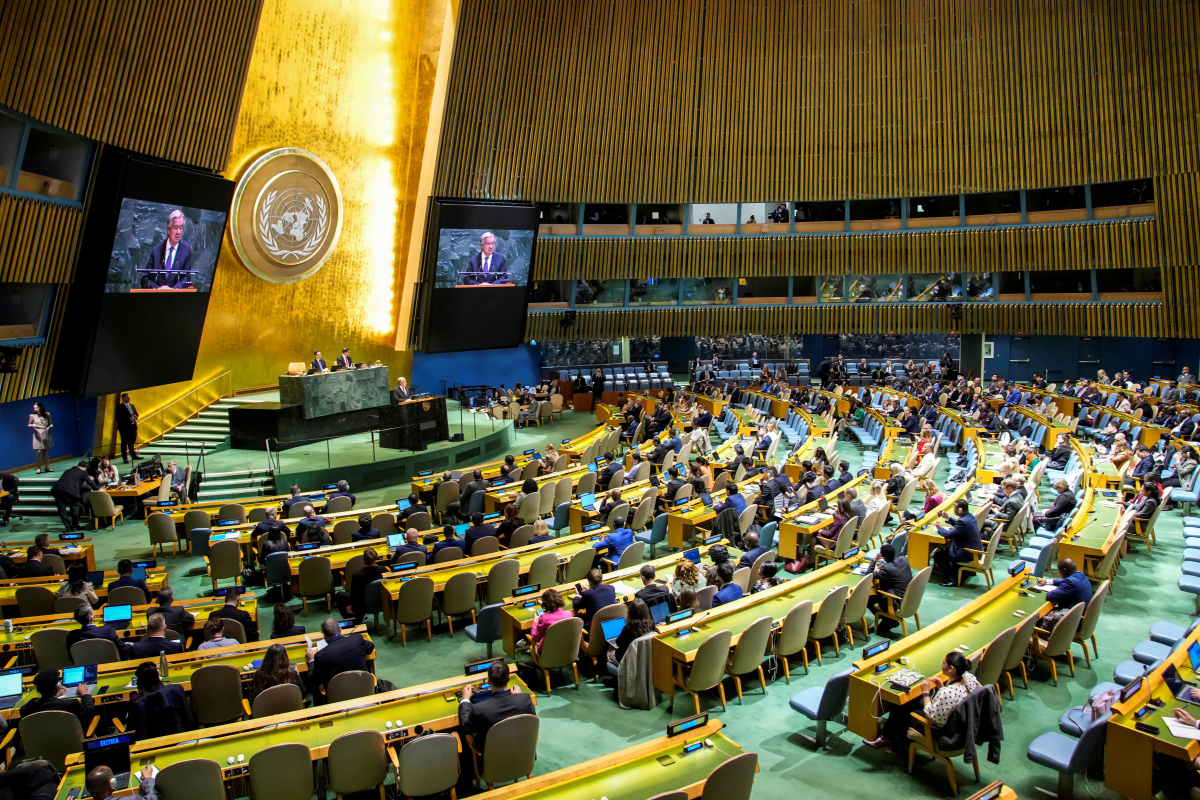
The treaty is reviewed every five years at United Nations conferences in New York. The 2022 review ended without a consensus final document, reflecting deep divisions over disarmament and regional security.
Which Countries Have Nuclear Weapons?
The NPT recognises five nuclear-weapon states.
These are:
- The United States of America
- Russia
- The United Kingdom
- France
- China
Together, they possess approximately 12,100 nuclear warheads, according to the Federation of American Scientists. Russia and the U.S. account for roughly 90 per cent of the total.
Outside the NPT:
- India and Pakistan tested nuclear weapons in 1998.
- Israel is widely believed to possess nuclear weapons but maintains deliberate ambiguity.
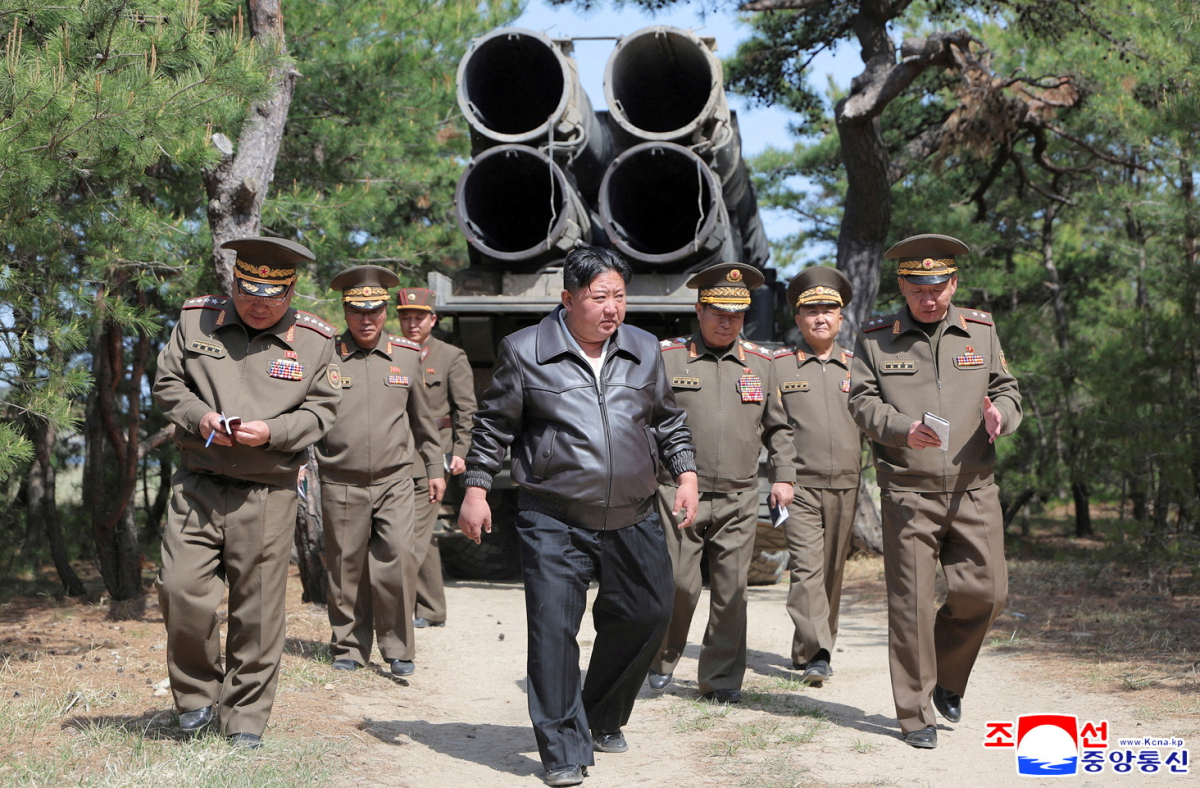
- North Korea withdrew from the treaty in 2003 and has conducted multiple nuclear tests since 2006.
South Africa remains the only country to have developed nuclear weapons and then voluntarily dismantled its programme. It joined the NPT as a non-nuclear-weapon state in 1991.
Why the NPT Matters Now
The treaty is facing one of its most challenging periods.
Russia’s invasion of Ukraine and subsequent Western sanctions have stalled arms control dialogue between Moscow and Washington. China is expanding its nuclear arsenal, with U.S. estimates suggesting it could reach 1,000 warheads by 2030. North Korea continues to advance its missile and nuclear capabilities.
Iran remains a focal point of concern. While still an NPT member, the IAEA has found Iran in non-compliance with additional protocols linked to the 2015 Joint Comprehensive Plan of Action, though not with the NPT itself.
All five recognised nuclear powers are modernising their arsenals. Critics argue this undermines their disarmament obligations under Article VI. These states counter that modernisation supports deterrence and does not breach commitments to negotiate disarmament “in good faith.”
What This Means for the Global South
For countries across Africa, Asia, and other developing regions, the NPT has tangible impacts on energy security and development.
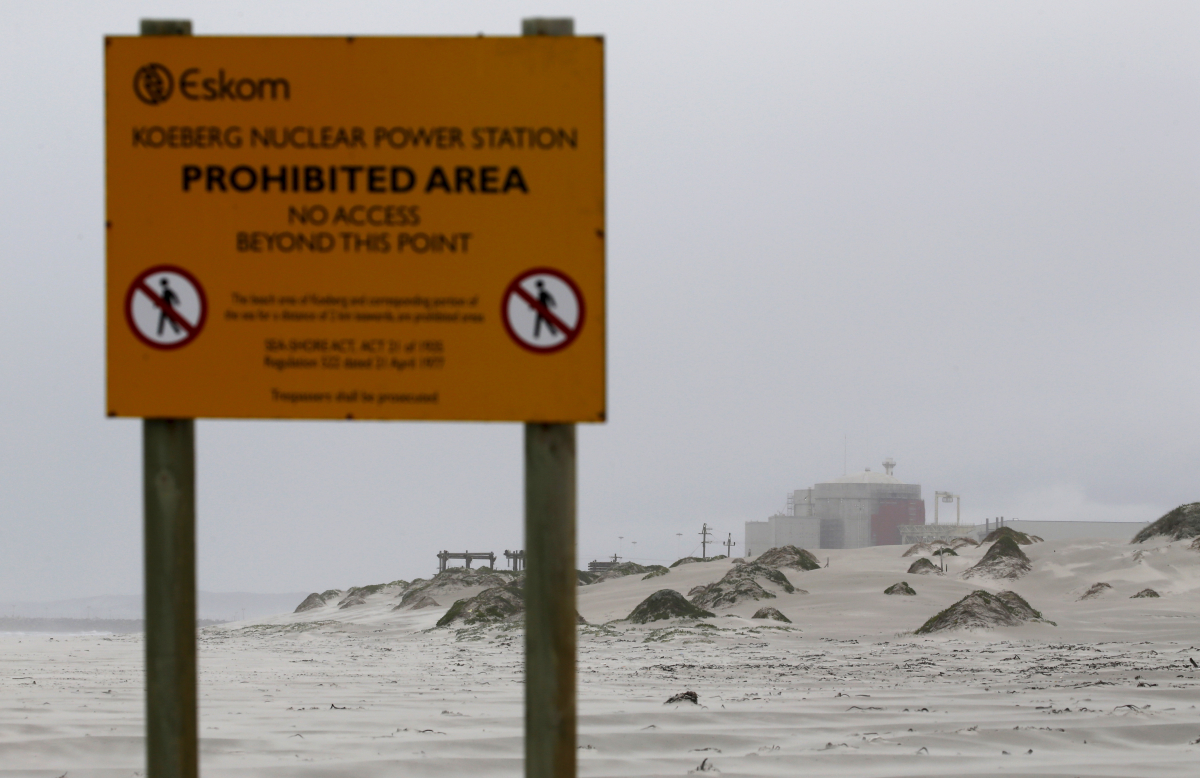
South Africa operates the Koeberg nuclear power station near Cape Town. Nigeria and Ghana are pursuing nuclear energy programmes with IAEA support. Nigeria has also signed agreements with Russia’s Rosatom.
A breakdown in the non-proliferation regime could limit access to civilian nuclear technology. Conversely, a strengthened framework could expand access to power generation and medical isotopes.
Regional risks are also significant. A nuclear arms race in the Middle East or South Asia could disrupt trade, energy supplies, and migration patterns globally.
At the 2022 Review Conference, countries including South Africa and Egypt argued that the treaty entrenches a two-tier system that favours existing nuclear powers without delivering meaningful disarmament.
What Happens Next
The next NPT Review Conference is scheduled for 2026. Key issues likely to shape discussions include:
- Whether the U.S. and Russia resume arms control negotiations
- The pace of China’s nuclear expansion
- The growing influence of the Treaty on the Prohibition of Nuclear Weapons (TPNW), which bans nuclear weapons entirely
For many non-nuclear states, the central question remains whether the treaty’s core bargain - technological access in exchange for restraint - still holds.
Frequently Asked Questions
1) Which countries are not part of the NPT?
India, Pakistan and Israel never joined the treaty. North Korea withdrew in 2003. All four are widely believed to possess nuclear weapons.
2) How many nuclear weapons exist worldwide?
According to the Federation of American Scientists, the nine nuclear-armed states hold approximately 12,100 warheads as of early 2026. The Stockholm International Peace Research Institute publishes annual inventories with comparable figures.
3) Can a country leave the NPT?
Yes. Article X allows withdrawal with three months’ notice if a state believes extraordinary events threaten its national interests. North Korea is the only nation to have exercised this provision.
4) What happens if a country violates the NPT?
The UN Security Council can impose sanctions. Iran faced multiple sanction rounds - including UNSCR 1737 (2006), 1803 (2008), and 1929 (2010) - before the 2015 Joint Comprehensive Plan of Action.
5) What is the Treaty on the Prohibition of Nuclear Weapons?
The TPNW, which entered into force in 2021, is a separate treaty that prohibits nuclear weapons entirely. More than 70 states have signed, though no nuclear-armed nation has joined. It highlights a fundamental clash, as the TPNW bans nuclear weapons outright while the NPT permits five recognised states to retain them under agreed conditions.
















What is your opinion on this topic?
Leave the first comment