Leaders from across Europe and beyond gathered in Paris on Friday for a summit aimed at managing the global impact of the Middle East conflict.
Hosted by Emmanuel Macron and Keir Starmer at the Élysée Palace, the meeting brought together around 30 to 50 countries to discuss how to protect shipping through the Strait of Hormuz, a vital route for global energy supplies.
The talks came as Iran announced that the strait would remain open during a temporary ceasefire. Both Macron and Starmer welcomed the move, but stressed that a lasting solution is still needed.
A summit about coordination, not resolution
Alexander Seale, a UK-based correspondent specialising in French and British politics, told AnewZ the meeting should be seen as a “coordination summit” rather than a breakthrough moment.
“This is not where the crisis will be resolved,” he explained. “It is about organising an international response.”
Three main goals emerged from the discussions.
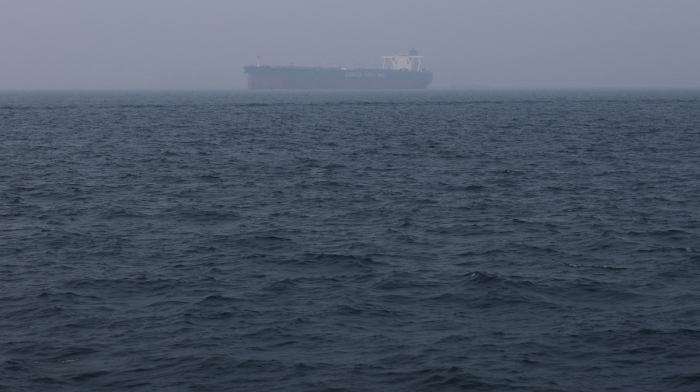
The first is to protect global shipping through the Strait of Hormuz, where even minor disruption can have serious economic consequences. Around a fifth of the world’s oil passes through the narrow waterway.
The second is to show unity among countries that are not directly involved in the conflict but still affected by it.
And the third is to lay the groundwork for a possible multinational maritime mission once conditions allow. Such a mission could include naval escorts for commercial vessels, intelligence sharing, and mine clearance operations.
Coalition politics in action
The summit reflects a growing trend towards flexible international coalitions. These groups operate outside formal structures but can act more quickly when needed.
In the short term, they help align positions and send a clear political signal. Over time, they can lead to concrete steps, such as sanctions or military deployments.
“There is an element of optics,” Seale noted. “But these coalitions can still be effective because they create the conditions for action.”
Still, the influence of the countries gathered in Paris is indirect. None is a central player in the conflict itself. Instead, their power lies in shaping the wider environment - from economic pressure to maritime security and market confidence.
Europe steps forward, without Washington
One notable absence from the talks was the United States. The proposed maritime initiative - described by Macron as “strictly defensive” - is designed to involve only non-belligerent countries.
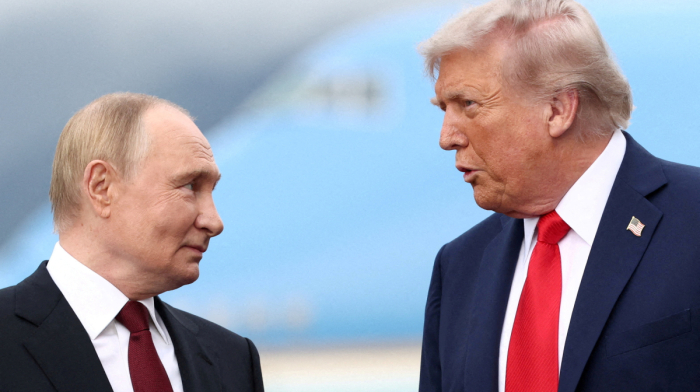
This reflects both political realities and recent tensions. US. President Donald Trump has criticised European allies for not taking a more active role in the conflict, while also imposing a blockade on Iranian ports that has worsened the disruption.
European leaders, meanwhile, are trying to carve out a role that avoids direct confrontation while still protecting their economic interests.
The UK, in particular, is walking a careful line. It wants to be seen as a credible security partner, but is wary of becoming directly involved in enforcement actions that could escalate tensions.
Despite Brexit, Britain continues to work closely with European partners on security. The Paris summit is another example of this cooperation, even outside formal EU structures.
Economic pressure builds
The stakes are high. The closure of the strait in recent weeks has sent oil prices soaring and raised fears of inflation, supply shortages, and travel disruption.
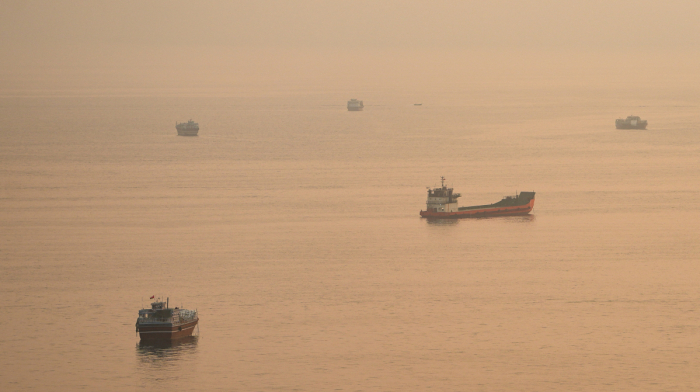
More than 20,000 seafarers have been stranded on vessels caught in the blockade, underlining the human cost of the crisis.
For now, the reopening of the strait offers some relief. Oil prices have already fallen in response to the news.
But leaders in Paris were clear that temporary measures are not enough.
“We need lasting freedom of navigation,” Starmer said ahead of the meeting, warning that the global economy cannot remain exposed to repeated disruption.
Macron’s diplomatic moment
For Macron, the summit also carries domestic significance. With limited room to manoeuvre at home, foreign policy offers a stage to project leadership.
Hosting international talks allows him to position France at the centre of diplomatic efforts, while reinforcing the country’s role as a major global actor.
Seale said this fits a familiar pattern. “Summit diplomacy is a way for Macron to show authority and leadership,” he said.








What is your opinion on this topic?
Leave the first comment