U.S.-Iran peace talks open in Switzerland amid Hormuz dispute
U.S. Vice President JD Vance arrived in Switzerland on Sunday for peace talks with Iran, as a dispute over the Strait of Hormuz threatened to complica...
RRussian Foreign Minister Sergey Lavrov’s visit to Beijing is placing China’s diplomacy under closer scrutiny, as it balances its partnership with Moscow against strained relations with the U.S.
In an interview with Anewz, Anna Evans, a political analyst, said that Russian Foreign Minister Sergey Lavrov’s trip to Beijing, alongside fresh signals that President Vladimir Putin may visit China soon, comes at what she called “one of those critical junctures”, when it matters to show that Russia and China “remain very much aligned”, particularly because of the war and disruption around the Strait of Hormuz.
Evans argued that China’s energy exposure has sharpened Beijing’s interests, saying “China purchases 90% of Iranian oil”, and that limits on shipping and naval movements through Hormuz make Russian energy supplies “absolutely precious” for China, even if Russia’s own exports do not rely on the strait.
Evans said the relationship, often seen as tilted towards China because of its economic weight, could appear more balanced in the current crisis because Beijing “vitally needs Russia, even more than it needed before, for its energy”, while Moscow relies on China in financial and technological terms.
She further told Anewz that a Putin visit would be about showing the partnership is intact and about practical steps, including investment in pipelines and other infrastructure that can secure energy flows, and access to critical raw materials for technology industries.
On whether China is positioning itself as a broker between rival camps, Evans said this is Beijing’s “usual strategy”, a preference for “silent negotiation” and “a backstage role”, describing China as “very silently a back channel”, rather than a power that seeks the limelight, even when it has clear interests in Russia, Iran, and the wider Middle East crisis.

A train driver has been killed and nine people remain in a critical condition in hospital, after two trains collided near Beford in the east of England on Friday. The passenger trains heading to London collided at around 17:15 local time (1615 GMT).
Morocco captain and PSG defender Achraf Hakimi will face trial in France after an appeals court ruled there was enough evidence for the case to proceed.
Paraguay kept their World Cup hopes alive with a hard-fought 1-0 victory over Türkiye, but the celebrations were tempered by a costly red card for veteran forward Miguel Almirón.
A magnitude 5.8 earthquake struck southwest of Greece’s island of Crete on Saturday, with no immediate reports of damage.
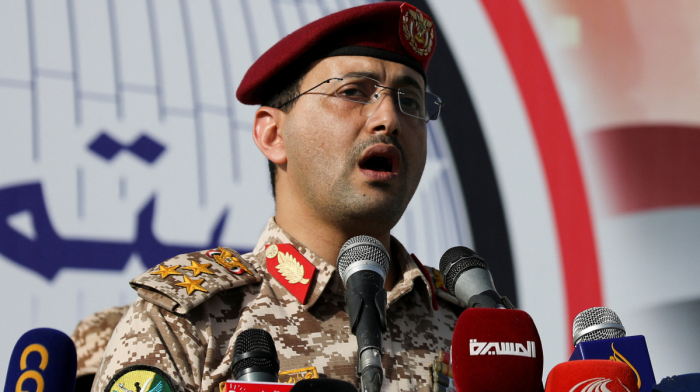
Israel and Hezbollah have agreed to a ceasefire, a senior U.S. official has said. Hezbollah has released a statement saying Israel must leave southern Lebanon. Israel has said it agrees to the ceasefire, but has said its armed forces won't leave Lebanon and will resume hostilities if attacked.
U.S. Vice President JD Vance arrived in Switzerland on Sunday for peace talks with Iran, as a dispute over the Strait of Hormuz threatened to complicate a fragile 60-day ceasefire between Washington and Tehran.
Thousands gathered in Novi Sad, Serbia, to commemorate the deaths of 16 people in the 2024 railway station awning collapse and renew calls for snap elections.
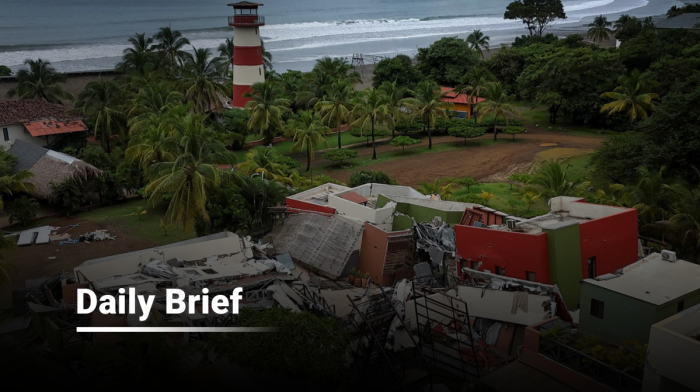
Start your day informed with the AnewZ Morning Brief. Here are the top stories for 20 June, covering the latest developments you need to know.
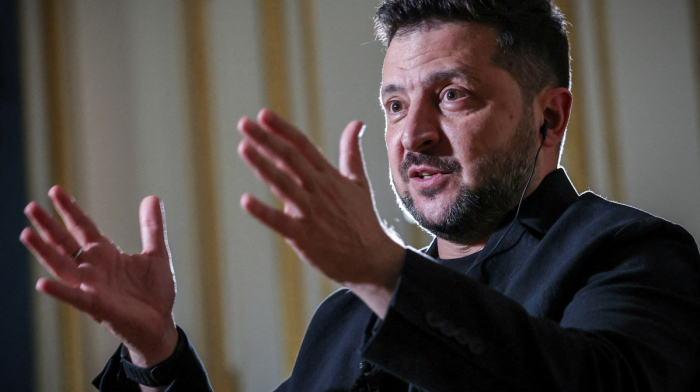
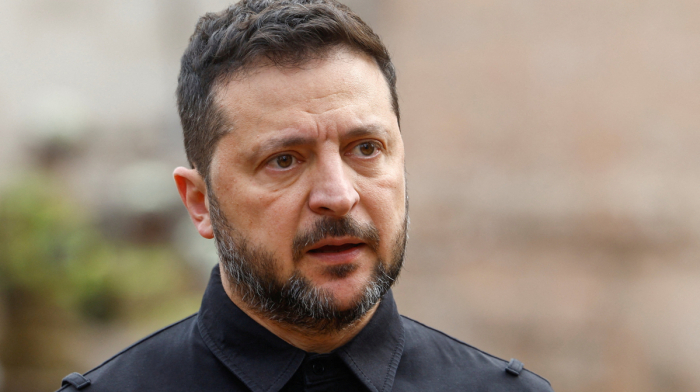
Ukrainian President Volodymyr Zelenskyy has warned that Russia is preparing a “massive” attack on Ukraine, urging residents to pay close attention to air raid warnings
A severe heatwave sweeping across much of Europe has led France to restrict alcohol consumption at public events, while Germany issued widespread heat warnings and Spain closed a football fan zone in Madrid.
You can download the AnewZ application from Play Store and the App Store.
What is your opinion on this topic?
Leave the first comment