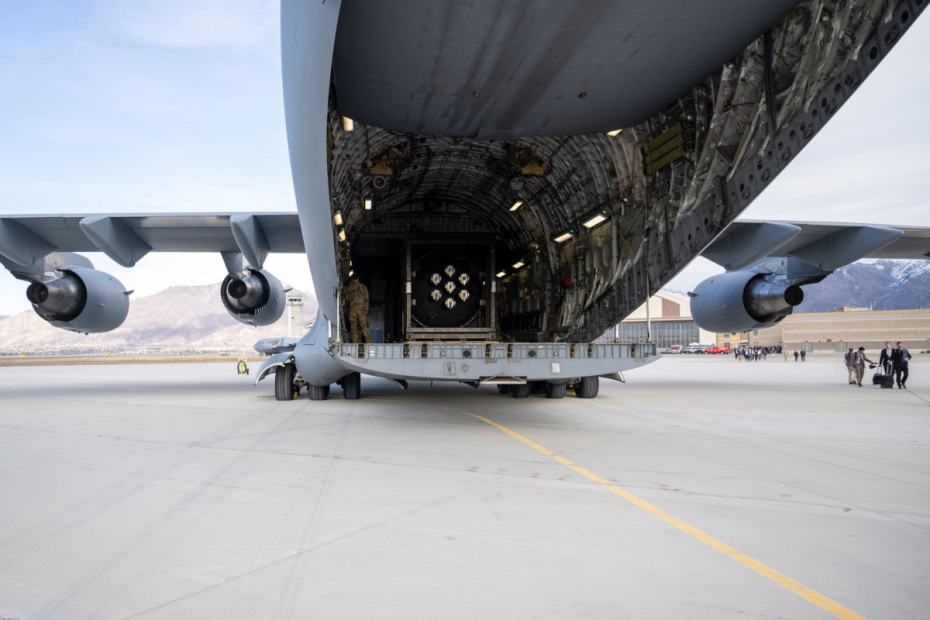
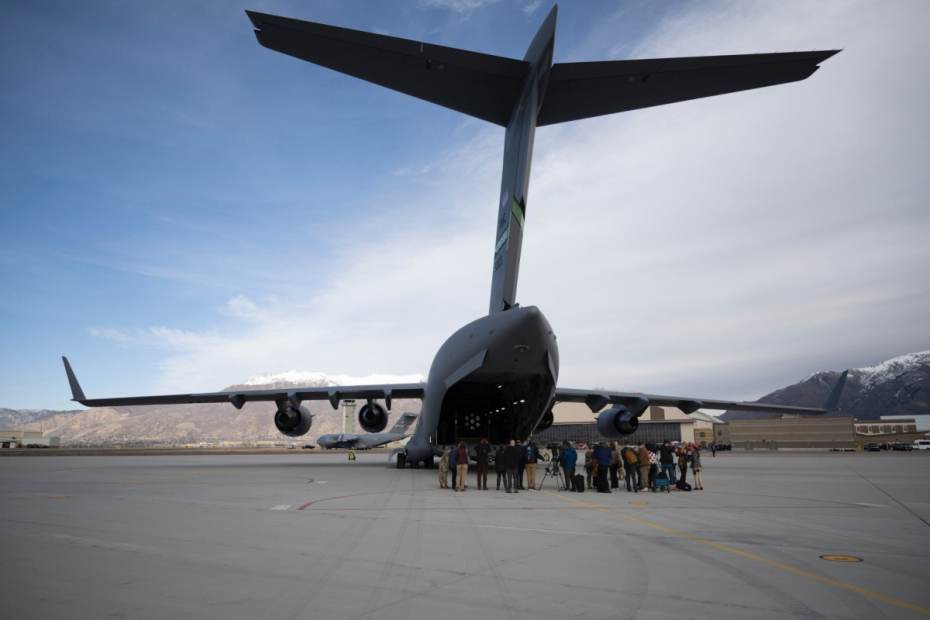
The United States has carried out its first air transport of a nuclear microreactor on a cargo plane, flying the unit from California to Utah in a demonstration designed to show the technology can be rapidly deployed for military and civilian use.
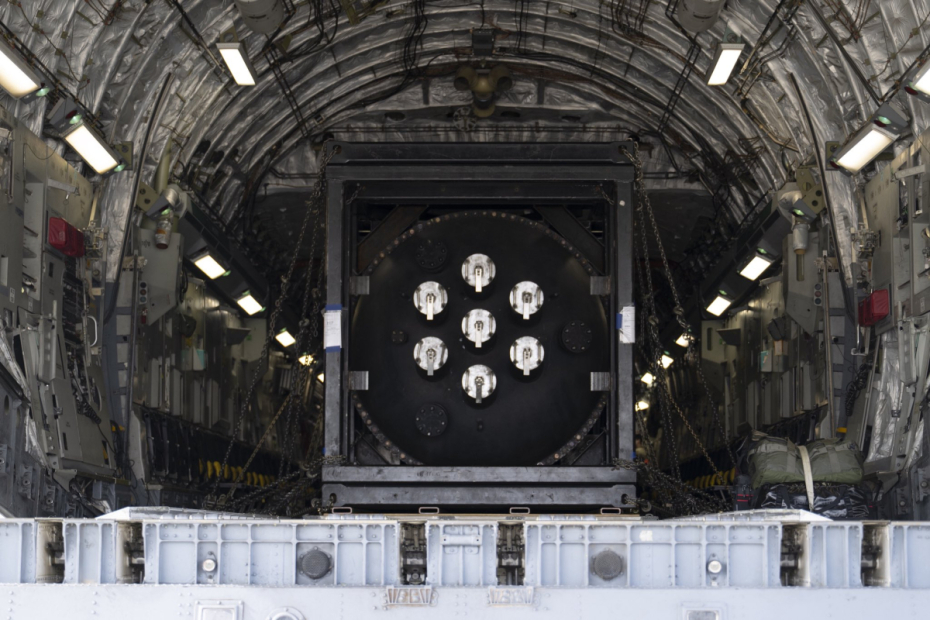
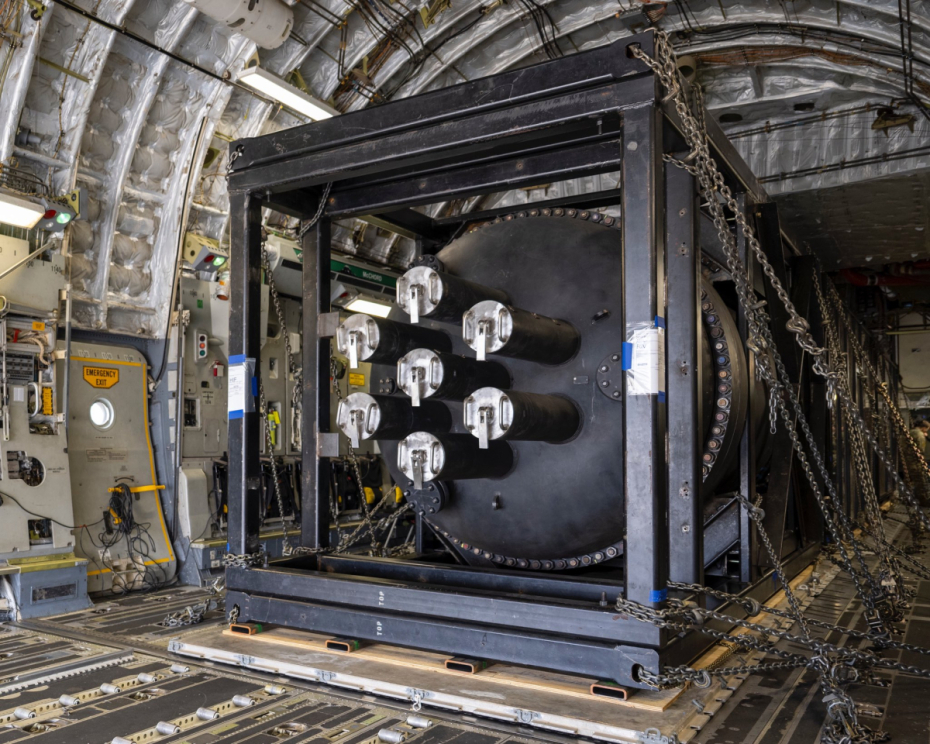
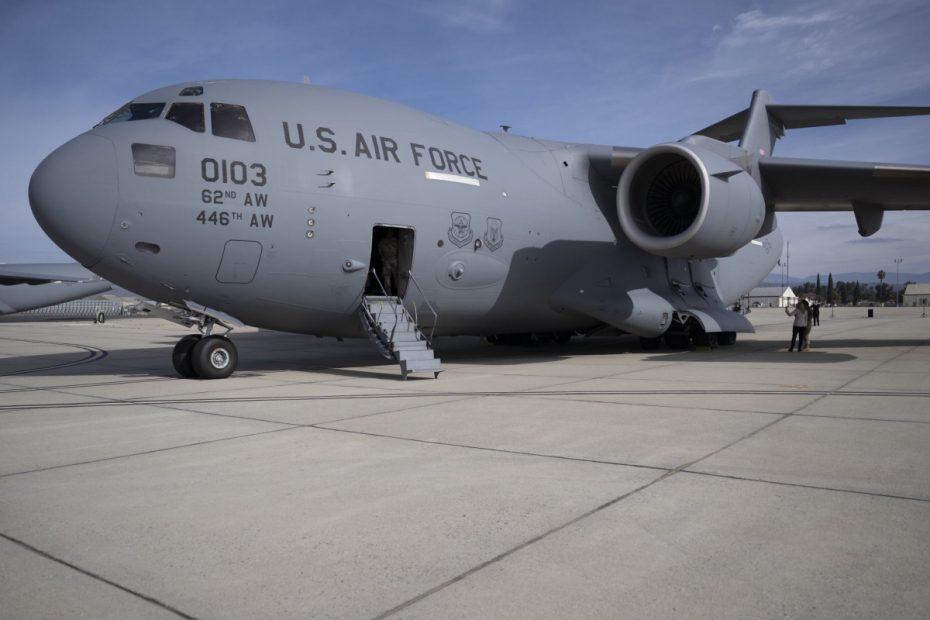
The agencies partnered with California-based Valar Atomics to fly one of the company’s Ward microreactors on a C-17 aircraft - without nuclear fuel - to Hill Air Force Base in Utah.
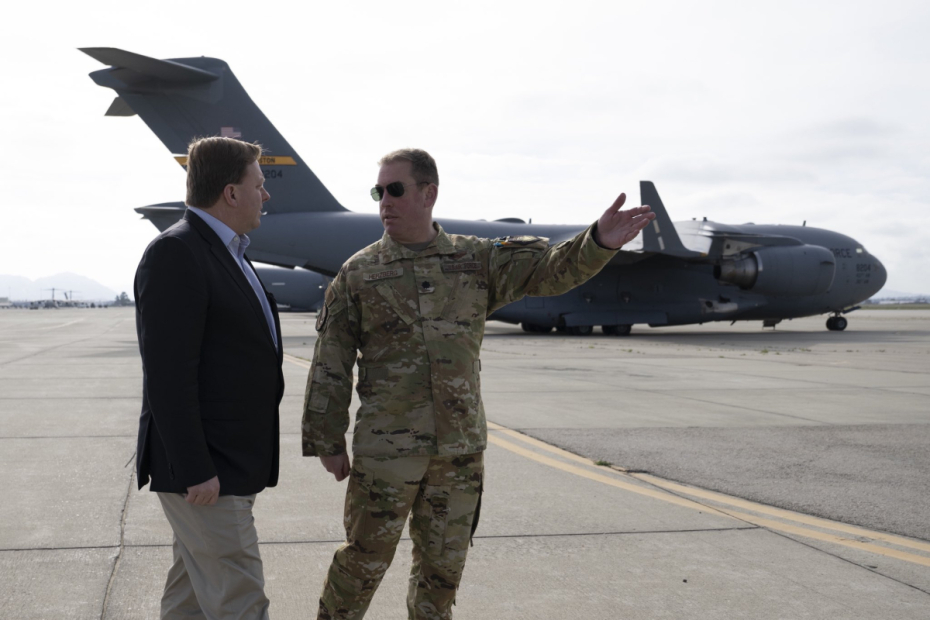
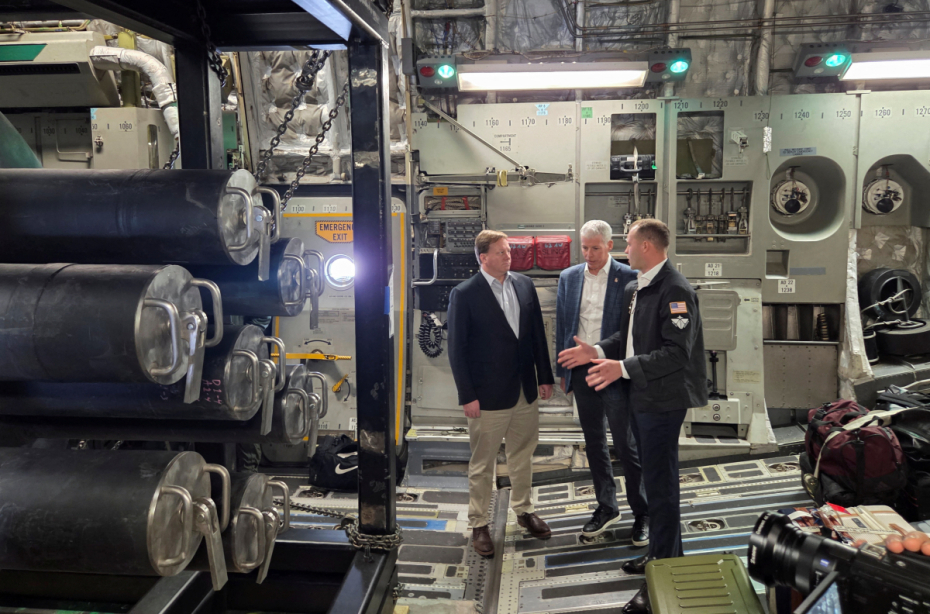
Energy Secretary Chris Wright and Under Secretary of Defence for Acquisition and Sustainment Michael Duffey were on board the flight and described the operation as a milestone for U.S. nuclear energy and military logistics.
Duffey said the test brings the U.S. closer to deploying nuclear power “when and where it is needed” to support its warfighters.
The Department of War published images on X showing the reactor being loaded onto the aircraft before departure.
“We’re advancing President Trump’s executive order on nuclear energy,” the department said in the post.
“Moments from now, we will airlift a next-generation nuclear reactor.”
The department said the successful delivery and installation of the reactor could expand options for energy resilience and strategic independence across defence infrastructure, describing the effort as part of what it called an agile, commercially driven approach to strengthening critical systems.
President Donald Trump’s administration has promoted small nuclear reactors as part of efforts to expand U.S. energy production, particularly to meet rising demand linked to national security and artificial intelligence (AI) development.
In May last year, Trump signed four executive orders aimed at accelerating domestic nuclear deployment. In December, the Energy Department awarded two grants to support the development of small modular reactors.
Microreactors are designed to provide compact, transportable power in remote or off-grid locations, offering an alternative to diesel generators that require frequent fuel deliveries. Supporters say the technology could strengthen energy resilience at military installations and isolated communities.
Valar’s reactor, slightly larger than a minivan, has a maximum generating capacity of five megawatts, enough to supply electricity to roughly 5,000 homes, according to the company’s chief executive Isaiah Taylor.
The unit is scheduled to begin operating in July at 100 kilowatts, rising to 250 kilowatts later this year before ramping up to full capacity. The Energy Department aims to bring three microreactors to “criticality” by 4 July, Wright said, referring to the point at which a nuclear chain reaction becomes self-sustaining.
Valar plans to begin limited commercial power sales in 2027 and move to full commercial operations in 2028. Taylor said that while private industry funds reactor development, it requires federal support in areas such as fuel fabrication and uranium enrichment.
However, critics question whether the technology can operate at a competitive cost. Edwin Lyman, Director of Nuclear Power Safety at the Union of Concerned Scientists, said microreactors would generate electricity at significantly higher prices than large nuclear plants or renewable sources such as wind and solar.
Waste management
Despite the push to advance the technology, questions remain over radioactive waste management. Lyman said even small reactors produce significant nuclear waste. Other experts have noted that long-term disposal planning is not always central to reactor design.
At the moment, disposal of nuclear waste remains unresolved at the federal level. However, Wright said the Energy Department is in discussions with several states, including Utah, about potential sites for fuel reprocessing or permanent waste storage.


















What is your opinion on this topic?
Leave the first comment