A senior adviser to Iran’s Supreme Leader said on Tuesday that negotiations with the United States must remain focused on the nuclear issue and be grounded in realism, as Washington and Tehran prepare to resume talks mediated by Oman.
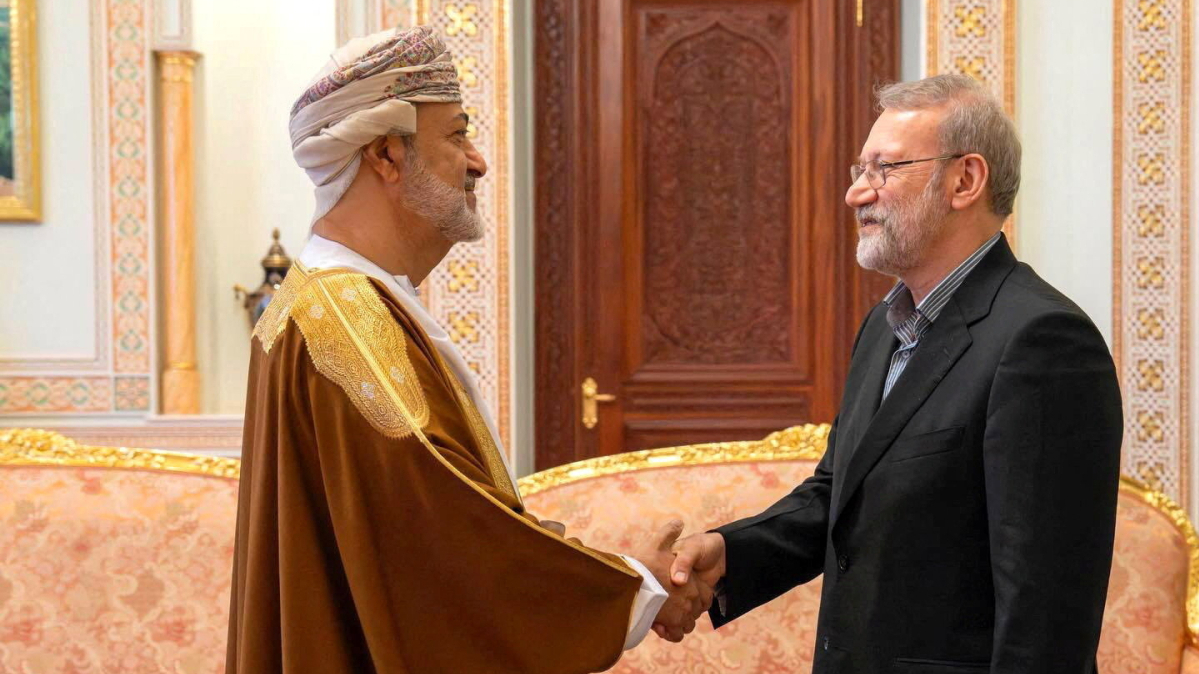
Ali Larijani, Secretary of Iran’s Supreme National Security Council, made the remarks during meetings in Muscat, on Tuesday (10 February) where Omani officials have been facilitating indirect dialogue between the two sides in an effort to prevent a new regional conflict.
“In the previous phase, the track was developing to a certain stage, but it was the United States that changed the course of the negotiations,” Larijani said, adding that Iran remains ready to engage if talks are conducted on a realistic basis and confined to the nuclear file.
Larijani stressed that Iran has consistently rejected military confrontation, arguing that force has only deepened mistrust and complicated diplomacy.
“From the beginning, we believe that war does not resolve matters between the two countries,” he said. “Regional disputes between Iran and the West must be resolved through dialogue.”
He acknowledged longstanding mistrust between Tehran and Washington, describing it as deeply rooted and dating back decades, but said it should not block diplomatic progress.
“This is an issue we cannot overlook,” Larijani said. “We must establish a purposeful framework that defines the fundamental issues for both countries.”
According to Oman’s state news agency, Larijani also met with Sultan Haitham bin Tariq, with discussions focusing on ways to reach what was described as a “balanced and just” agreement and the importance of returning to dialogue to enhance regional and global security. Iranian state media said the meeting lasted nearly three hours.
The talks come amid heightened tensions after U.S. President Donald Trump ordered a naval flotilla into the region, raising fears of renewed military action. Trump, who joined Israeli strikes on Iranian nuclear sites during last year’s 12-day conflict, had also threatened intervention during recent unrest in Iran before stepping back.
While both sides have signaled openness to diplomacy, Washington has said it wants negotiations to extend beyond Iran’s nuclear programme to include Tehran’s ballistic missile capabilities. Iranian officials have firmly rejected that demand, saying the missile programme - rebuilt after last year’s strikes - is non-negotiable.
Iranian officials said last week’s Oman-brokered contacts allowed Tehran to assess Washington’s seriousness and indicated enough common ground for talks to continue.
The date and location of the next round of negotiations have not yet been announced.














What is your opinion on this topic?
Leave the first comment