Iran’s atomic energy chief says Tehran could dilute uranium enriched to 60 per cent if all international sanctions are lifted, stressing that technical nuclear issues are being discussed alongside political matters in ongoing negotiations.
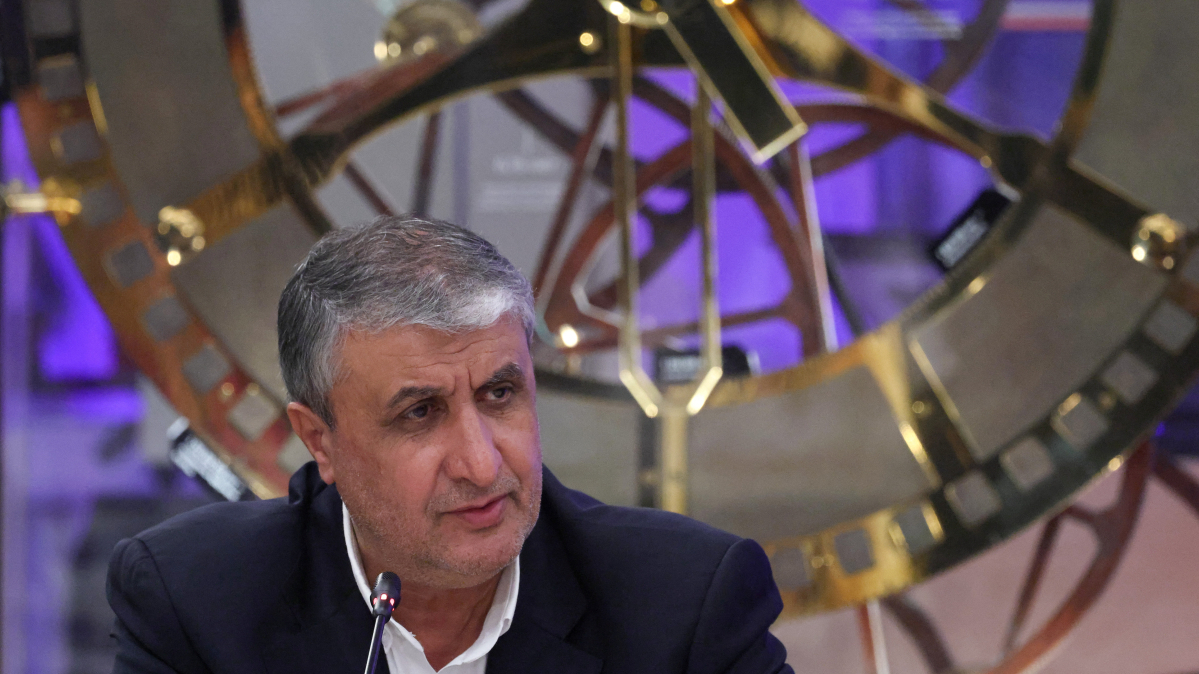
Mohammad Eslami, head of the Atomic Energy Organisation of Iran, said Iran’s cooperation with the International Atomic Energy Agency remains in place but accused the agency of failing to address what he described as a military attack on nuclear facilities under safeguards.
“Our relations with the Agency are established but the Agency has an unfinished task regarding a military attack on facilities under safeguards supervision,” Eslami said, according to ISNA. “If we are under the Agency’s supervision and accreditation, it cannot remain silent about what happened.”
Eslami said IAEA inspectors have continued visits to nuclear sites that were not damaged, with approval from Iran’s Supreme National Security Council. He added that inspections resumed after the war and that inspectors are currently visiting additional facilities.
He stressed that Iran expects its rights to be respected under IAEA regulations, saying the agency has a duty to support and promote the peaceful use of nuclear technology for all countries, including Iran.
Asked specifically about the possibility of diluting uranium enriched to 60 per cent, Eslami said the issue depends entirely on whether all sanctions are lifted in return.
Uranium enrichment at the centre of U.S.–Iran standoff
Uranium enrichment has long been a core point of tension between Iran and the U.S., with Washington arguing that enrichment to high levels has no credible civilian justification and poses proliferation risks. Under the 2015 nuclear deal, Iran agreed to cap enrichment at 3.67 per cent in exchange for sanctions relief but it began enriching uranium to much higher levels after the U.S. withdrew from the agreement and reimposed sanctions.
Iran is now enriching uranium to up to 60 per cent purity - a level far above what is needed for civilian energy use, though still below weapons-grade, which starts at around 90 per cent.
U.S. officials and European allies say higher enrichment levels significantly shorten the time Iran would need to produce weapons-grade material, increasing pressure on diplomatic efforts. Iran denies seeking nuclear weapons, insisting its programme is peaceful and subject to international monitoring.
Tehran says any rollback of its nuclear activities depends on sanctions relief and recognition of its right to enrich uranium, while Washington has demanded verifiable limits on enrichment before easing sanctions.











What is your opinion on this topic?
Leave the first comment