Start your day informed with AnewZ Morning Brief: here are the top news stories for the 6th of February, covering the latest developments you need to know.
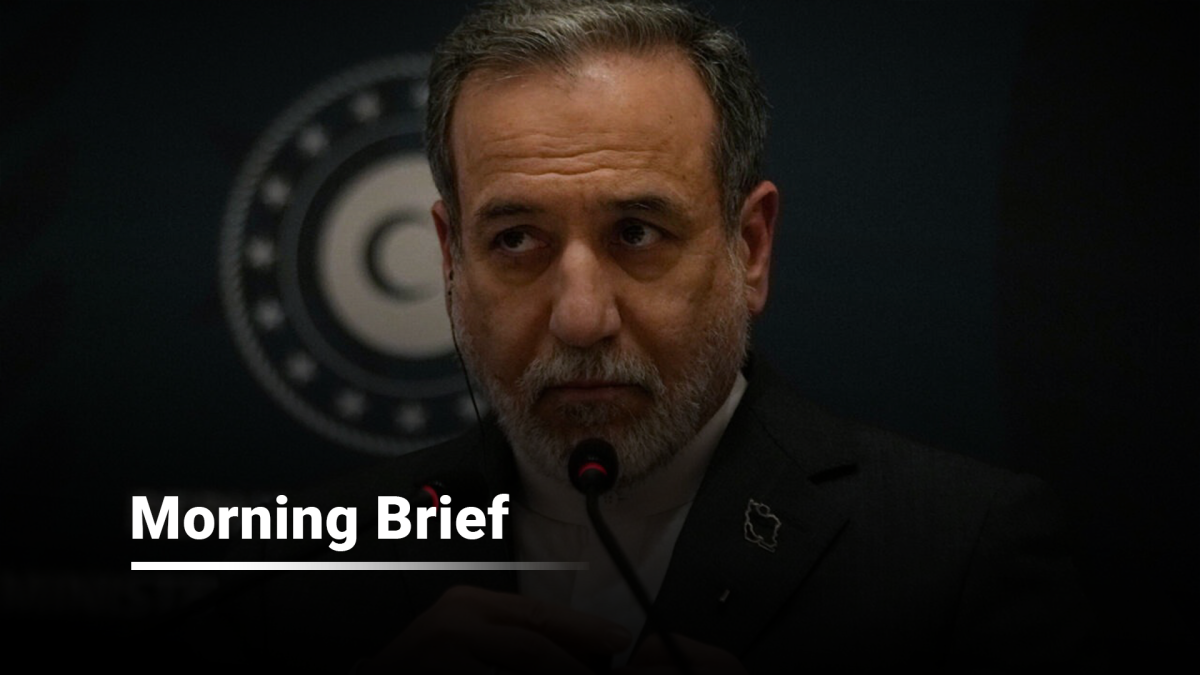
Iran-U.S. talks commence in Oman amid deepening rift
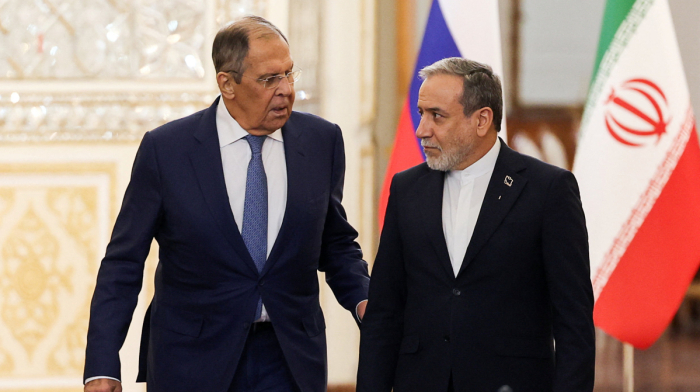
High-stakes negotiations between Iran and the United States are set to begin in Oman on Friday, though prospects for a breakthrough appear slim due to stark disagreements over the agenda. While Tehran insists the dialogue remain strictly limited to its nuclear programme, the Trump administration is pressing to include ballistic missiles and human rights issues. With a significant U.S. naval build-up nearby and reciprocal threats of military action, the talks are taking place under a cloud of escalating regional tension.
Türkiye and Azerbaijan move to de-escalate regional crisis
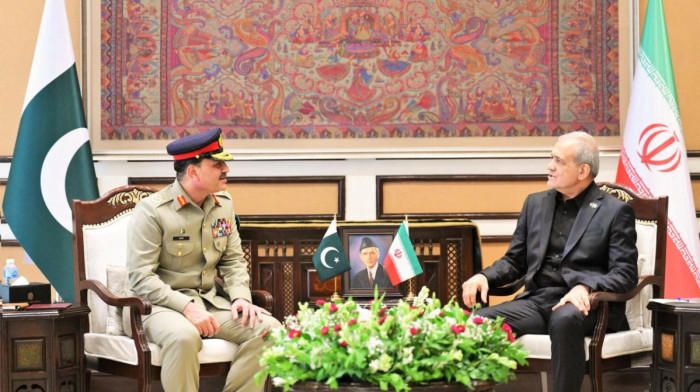
Diplomatic efforts are intensifying to prevent the U.S.-Iran standoff from spiralling into a broader conflict, with neighbouring powers seeking to calm the situation. Following warnings from Iranian media that regional states could become targets if they aid American operations, Turkish President Recep Tayyip Erdoğan has voiced strong opposition to any foreign military intervention. Simultaneously, Baku has reassured Tehran that Azerbaijani territory will not be utilised for third-party strikes, emphasising its commitment to neutrality and regional stability.
Washington and Moscow restore military hotline
The United States and Russia have agreed to re-establish high-level military-to-military dialogue following a meeting in Abu Dhabi this week. The communication channel, which had been suspended since the 2022 invasion of Ukraine, is intended to prevent accidental escalation as President Donald Trump seeks to normalise relations with the Kremlin. This renewed engagement comes at a critical juncture, with the expiry of the New START nuclear arms control treaty on Thursday (5 February).
Trump endorses Japan’s PM ahead of snap election
U.S. President Donald Trump has offered his "complete and total endorsement" of Japanese Prime Minister Sanae Takaichi ahead of Sunday’s general election. As Japan’s first female premier seeks a fresh mandate for her economic agenda, including controversial tax cuts that have unsettled markets, Trump confirmed he will host her at the White House in March. The endorsement serves to underscore the strengthening alliance between the two nations, despite Beijing's sharp criticism of Takaichi’s robust stance on defence.
Abu Dhabi emerges as key hub for global diplomacy
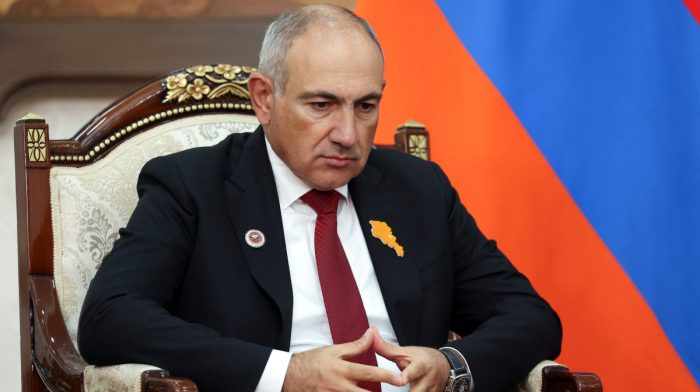
The UAE is solidifying its position as a pivotal venue for high-stakes international mediation, currently hosting sensitive talks regarding conflicts in Ukraine and the South Caucasus. Capitalising on its strategic neutrality and ability to maintain relations with rival powers, Abu Dhabi has become an essential bridge-builder outside traditional Western frameworks. This diplomatic influence was highlighted recently on Wednesday (4 February) when the country hosted Azerbaijani and Armenian leaders, as well as the facilitation of indirect dialogue between Washington and Tehran on Friday.












What is your opinion on this topic?
Leave the first comment